Get all your news in one place.
100's of premium titles.
One app.
Start reading
The Economic Times
The Economic Times

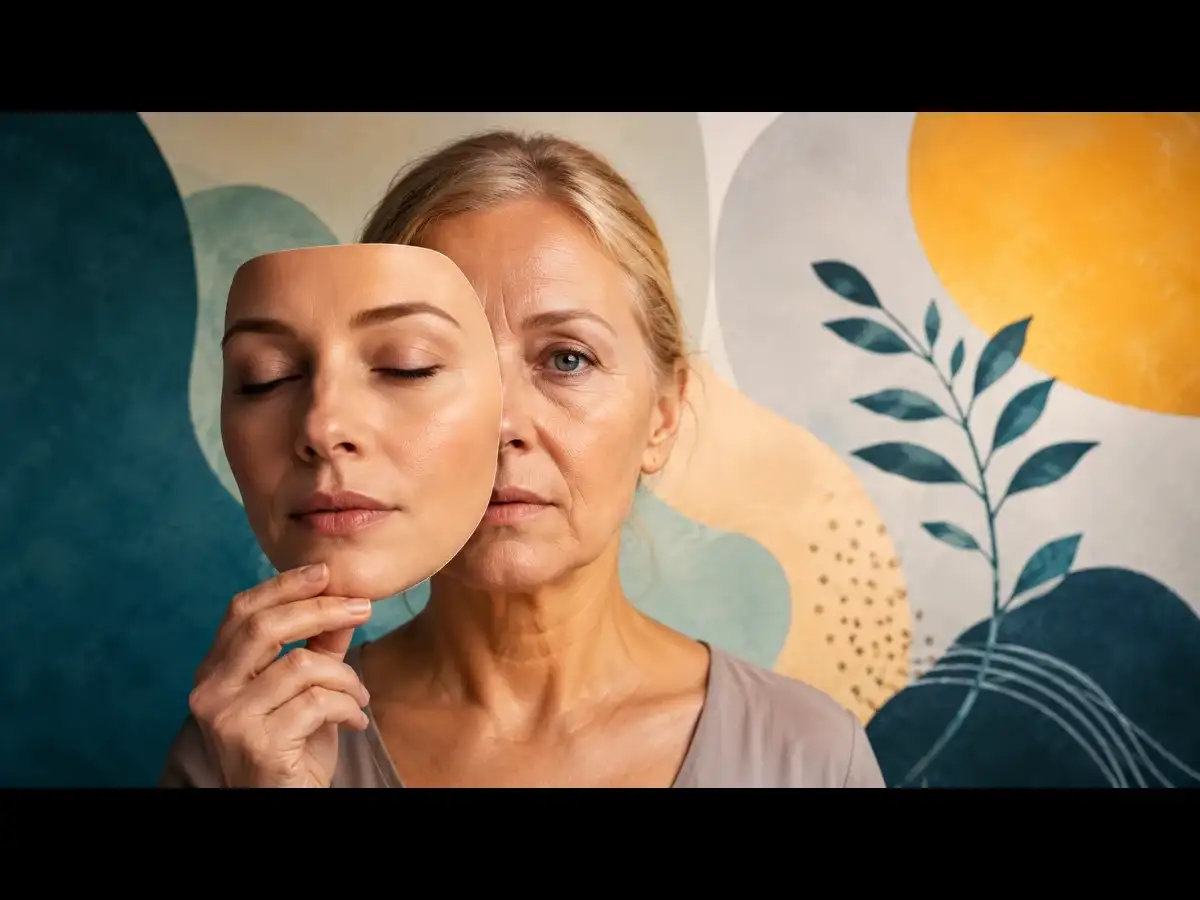
Psychology says people who can't accept aging may be fighting more than wrinkles

For some people, getting older is not simply a biological process; it can feel like a personal threat. They may spend considerable time on anti-aging creams, cosmetic procedures, strict exercise routines, supplements, hair treatments or other attempts to preserve a youthful appearance. Wanting to look healthy is not inherently problematic, but when someone becomes intensely preoccupied with stopping or hiding every sign of aging, psychology suggests that something deeper may be involved. Researchers have connected fear of aging, body image, social identity, self-esteem, age stereotypes and mortality awareness with how people perceive their changing bodies. Importantly, this does not mean everyone interested in anti-aging has a psychological problem. The motivation behind the behavior matters.

Psychology Says Fear of Aging Can Be About Identity

Aging changes more than physical appearance. It can challenge how people understand themselves. Social Identity Theory, associated with psychologists Henri Tajfel and John Turner, proposes that part of our self-concept comes from the social groups and categories to which we feel we belong. Age is one such social category.

Someone who strongly identifies with being young, attractive, energetic or professionally ambitious may experience aging as a threat to an important part of their identity. Grey hair, wrinkles or physical changes can therefore feel like evidence that the person is becoming someone they do not recognize.

READ ALSO: Psychology says people without clear goals may not be directionless for the reason you think

Research by Jill Chonody and Barbra Teater involving 1,042 university students from the United States, England and Australia found that beliefs about personal aging, death anxiety, age and sex helped explain people's dread of looking old. The variables explained 30.4% of the variance in dread of looking old.

Psychology Says Aging Can Trigger Thoughts About Mortality

One of the most intriguing explanations comes from Terror Management Theory, developed by psychologists Jeff Greenberg, Sheldon Solomon and Tom Pyszczynski.

The theory proposes that human beings are aware of their eventual death, creating the potential for existential anxiety. People manage this awareness partly by maintaining self-esteem and investing in cultural beliefs, identities and sources of meaning.

Aging can make mortality more psychologically visible. A wrinkle is not just a wrinkle for someone deeply afraid of getting older; it can become a reminder that time is passing.

Research applying Terror Management Theory to ageism argues that older bodies can remind people of physical vulnerability, mortality and the temporary nature of characteristics on which they base self-esteem. This may help explain why some individuals respond to aging with an intense desire to regain control.

Psychology Says Anti-Aging Behavior Can Create a Feeling of Control

Humans generally prefer feeling that they can influence important outcomes. Aging contains an uncomfortable element of loss of control because certain biological changes cannot simply be prevented through willpower. When a person feels threatened by something difficult to control, they may concentrate on aspects that are controllable.

For example, someone cannot stop chronological time, but they can choose a skincare routine, change their hairstyle, exercise, alter their clothing or seek a cosmetic treatment.

READ ALSO: Psychology says people who call just to get gossip may be looking for more than drama

Research on aging bodies shows that appearance-management behaviors can include skincare, makeup, hair styling, exercise, diet and clothing. In interviews with women aged 65 to 94, researchers found that participants simultaneously appreciated their bodies' functionality while being critical of aspects of their appearance.

The behavior, therefore, may sometimes provide more than an aesthetic benefit. It can provide a sense of agency .

Psychology Says Society Can Teach People to Fear Looking Old

Another important concept is Stereotype Embodiment Theory, developed by psychologist Becca Levy.

The theory proposes that people absorb age-related stereotypes from their culture throughout life. These beliefs can eventually become self-relevant, influencing how people perceive their own aging.

Research on self-directed ageism explains that negative cultural beliefs about older people can become internalized and shape self-perceptions of aging.

Consider someone who repeatedly sees youth associated with beauty, romance, professional relevance and vitality while old age is portrayed as weakness or irrelevance. Eventually, looking older may feel threatening not simply because of a physical change, but because of what the person believes that change represents.

This is one reason anti-aging anxiety cannot be understood entirely through cosmetics.

Psychology Says Social Comparison Can Make Aging Feel Worse

People also compare themselves with others. Social Comparison Theory, proposed by Leon Festinger, suggests that individuals evaluate themselves partly by comparing their characteristics and circumstances with those of other people.

Social media can intensify this process because people are constantly exposed to carefully presented images of youthful faces and bodies.

Research examining older adults' experiences with their aging bodies has found that people can compare themselves both with others and with their own younger selves. A study of men aged 65 to 83, for example, found concerns about aging bodies alongside gratitude for retained health and functioning.

The comparison is therefore not always “Do I look older than them?” It can also be “Why don't I look like I did 20 years ago?”

Psychology Says The Desire to Stay Young Isn't Always Unhealthy

It is important not to pathologize ordinary concern about appearance.

Exercise, eating well, protecting skin from sun exposure or using cosmetic products can all be normal choices. The psychological concern becomes more significant when fear of aging begins dominating someone's self-worth, causing persistent distress or driving increasingly extreme attempts to avoid an unavoidable life process.

Psychology suggests that the healthiest response is not necessarily to stop caring about appearance. It is to develop a broader identity in which appearance is only one component of self-worth.

Aging does not automatically mean losing attractiveness, competence, relevance or meaning. In fact, some aspects of life can improve with age, including experience, emotional knowledge, relationships and a stronger sense of identity.

Psychology Says The Real Fear May Be What Aging Represents

People who cannot accept aging may not actually be trying to defeat wrinkles. They may be trying to preserve a younger identity, avoid social rejection, maintain a sense of control, protect self-esteem or distance themselves from thoughts about mortality.

That is why the psychology of aging is ultimately about much more than appearance. The deeper challenge is learning to separate getting older from becoming less valuable.

FAQs

Why are some people so afraid of aging?

Fear of aging can involve concerns about appearance, identity, social status, declining abilities, ageism and mortality. Research suggests that death anxiety and beliefs about personal aging can contribute to dread of looking old.

Does wanting to look younger mean someone has low self-esteem?

Not necessarily. People may pursue youthful appearance for many reasons, including personal preference and cultural expectations. However, when self-worth becomes heavily dependent on looking young, appearance-related anxiety can become more psychologically significant.

Sign up to read this article
Read news from 100's of titles, curated specifically for you.
Already a member? Sign in here
Related Stories
Top stories on inkl right now
One subscription that gives you access to news from hundreds of sites
Already a member? Sign in here
Our Picks
Fourteen days free
Download the app
One app. One membership.
100+ trusted global sources.