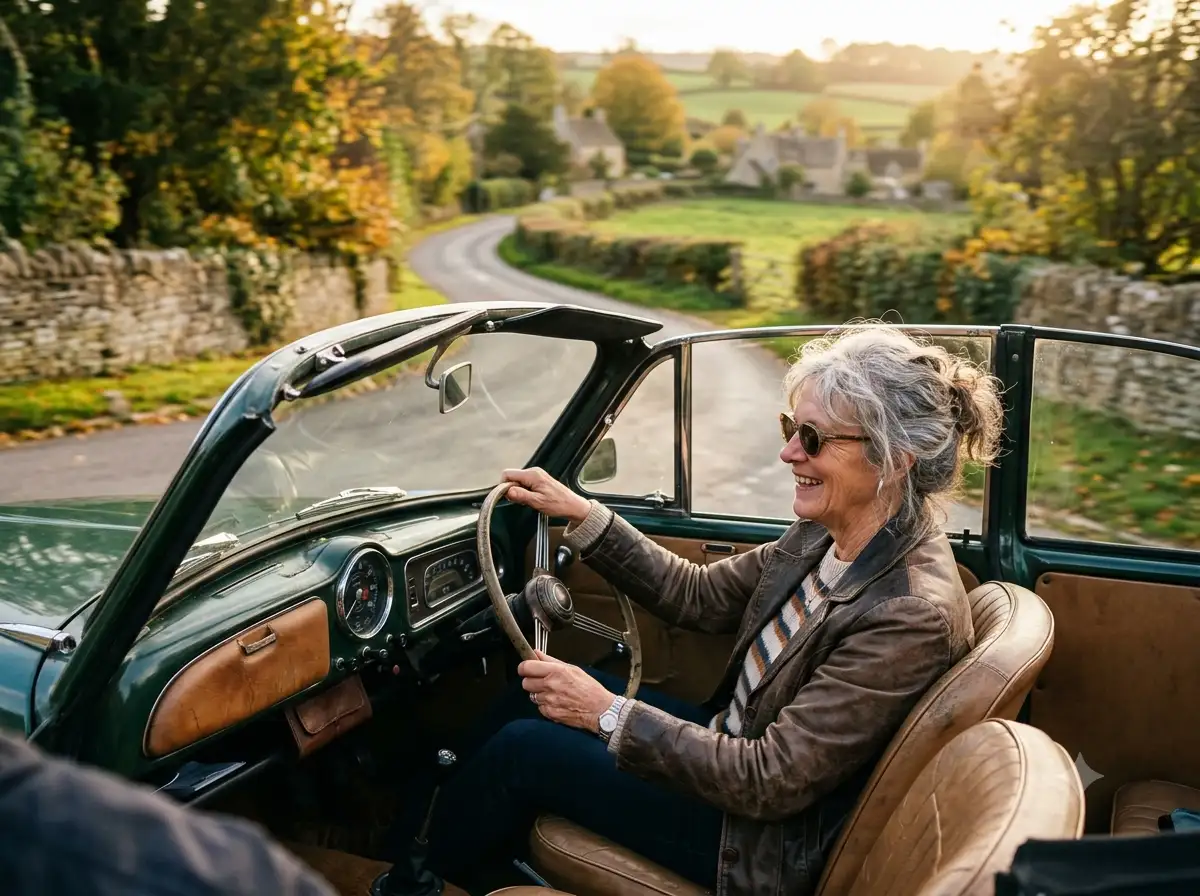
Psychology says people who are old school and still love vintage gasoline run cars aren't always rejecting electric vehicles or modern technology. Many people continue driving or collecting older gasoline-powered cars because these vehicles remind them of important moments in life. Psychology shows that memories, habits, emotional attachment and personal identity often influence such decisions. A familiar car may represent family traditions, independence, achievements or childhood experiences. Experts explain that people do not always choose products only because they are newer or more advanced. Human behavior is shaped by emotions, experiences and the meaning attached to everyday objects.
Psychology says people who are old school and still love vintage gasoline run cars aren't just avoiding change
Many people believe that anyone who prefers an old gasoline-powered car dislikes progress. Psychology offers a different explanation. People often remain attached to things that remind them of meaningful periods in life. A vehicle can become more than transportation. It can represent memories, personal effort and family history.
Someone may have learned to drive in an older sedan. Another person may remember family road trips in a station wagon. Others may have spent years restoring a classic vehicle. These experiences create emotional value that cannot easily be replaced. Because of this, choosing an older gasoline-powered car does not automatically mean rejecting modern technology.
What psychology says?
Psychology explains that people naturally develop emotional bonds with objects connected to important life experiences. These attachments create feelings of comfort and stability.
Researchers studying nostalgia have found that recalling positive memories often improves emotional well-being. Familiar objects can trigger these memories and provide a sense of continuity between the past and present. Older gasoline-powered cars often become symbols of personal history rather than simple machines.
What does this mean?
This behavior means that decisions are not always based on efficiency, fuel economy or technology. People also consider emotional satisfaction. For many drivers, an older car represents freedom, family, achievement or simpler times. Those memories become part of the vehicle's value. The decision reflects personal meaning instead of only practical comparison.
Why is it done?
There are several psychological reasons why people continue loving older gasoline-powered cars. Some people enjoy repairing mechanical parts with their own hands. Others appreciate the driving experience because they feel more connected to the vehicle.
Many also like the sounds, controls and design because they are familiar. Routine also plays an important role. People often continue using things they already know because familiar routines reduce uncertainty.
Which psychology theory explains this behaviour?
Several psychological theories help explain this preference.
Attachment Theory suggests that people build emotional connections not only with individuals but also with meaningful possessions.
Nostalgia Theory explains how positive memories improve emotional comfort and strengthen identity.
The Mere Exposure Effect shows that repeated exposure increases liking. People often prefer things they have known for years.
The Endowment Effect explains that people assign greater value to possessions they already own because ownership increases emotional importance.
Together, these theories explain why older gasoline-powered cars often remain valuable to their owners.
This psychology study says
Several psychological studies support these ideas. Research on nostalgia has shown that recalling meaningful memories strengthens emotional well-being, increases feelings of social connection and reinforces personal identity.
Studies on the Mere Exposure Effect demonstrate that repeated familiarity increases preference for people, places and objects. Research on the Endowment Effect also shows that ownership changes perception. People often believe their own possessions are worth more because they have personal meaning attached to them. These findings suggest that emotional attachment influences decisions just as much as practical thinking.
What research reveals?
A review by psychologist Miles Hewstone Manstead (commonly cited as N. R. Manstead) explored how socioeconomic background shapes thoughts, emotions and behavior. Published in the British Journal of Social Psychology, the review analyzed decades of psychological research on social class. It concluded that people from working-class backgrounds often develop stronger empathy, rely more on social connections and explain events through life circumstances because they experience less personal control.
The review examined findings from multiple surveys, experiments and longitudinal studies, showing that life experiences and environment influence identity, decision-making and everyday behavior more than simple personal preference.
The principle behind it
The basic psychological principle is that human decisions combine emotion and logic. People often believe they make completely rational decisions. Psychology shows that emotions quietly influence many everyday choices. An older gasoline-powered car can become connected with memories of parents, first jobs, family vacations or personal achievements.
When these memories become linked with an object, replacing it may feel like losing part of one's personal story. That emotional connection explains why some people continue choosing older vehicles despite newer alternatives.
What to learn from it?
This behavior teaches that everyone values different things. Some people choose the newest technology. Others choose familiarity because it provides comfort and meaning. Understanding these differences helps reduce judgment about personal preferences. Instead of assuming someone dislikes innovation, it is useful to recognize that emotional experiences shape decisions in many ways. Respecting individual preferences improves communication and understanding.
Life lessons from the behavior
Several life lessons can be learned from this behavior.
- Memories influence decisions throughout life.
- Emotional value often matters alongside practical value.
- Familiarity creates comfort during change.
- Personal identity develops through experiences and meaningful possessions.
- Different choices can have different psychological reasons.
- Understanding emotions helps explain everyday behavior.
- Respecting personal preferences creates stronger relationships.
Why understanding psychology matters?
Human behavior is rarely explained by one reason alone. A person may enjoy classic gasoline-powered cars because of family traditions, personal achievements, mechanical interest or emotional comfort. Another person may choose an electric vehicle for environmental reasons, lower operating costs or new technology.
Neither decision automatically reflects personality or intelligence. Psychology encourages people to look beyond assumptions and understand the experiences that influence choices. This approach helps explain why people continue forming emotional connections with everyday objects across generations.