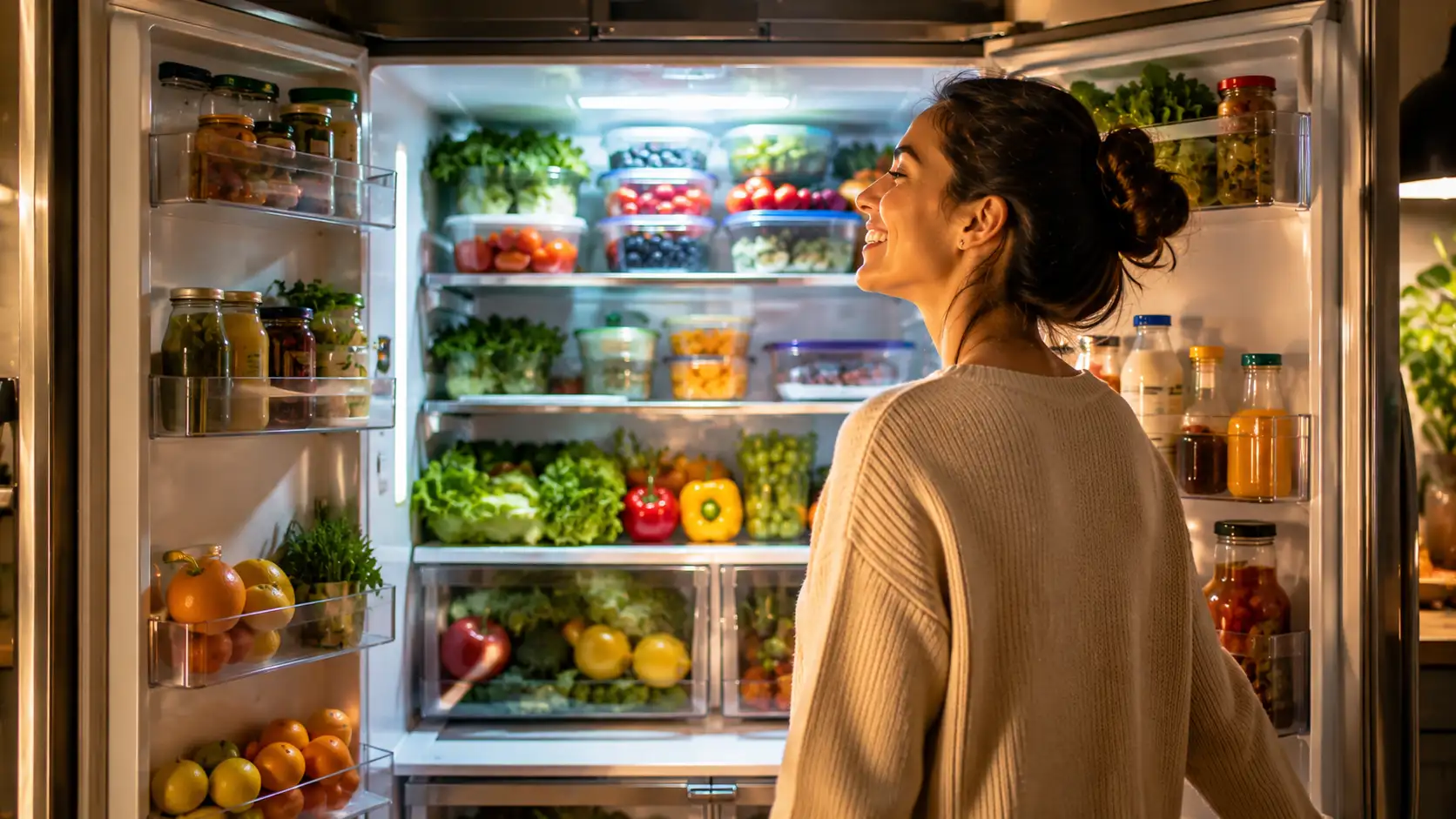
Open the refrigerator in different households and you'll notice a wide range of habits. Some people buy groceries only for the next day or two. Others keep shelves packed with vegetables, dairy products, leftovers, frozen meals, beverages, sauces, snacks, and backup ingredients. To an outsider, an overflowing refrigerator may look excessive.
Psychology suggests there can be several reasons behind this habit and many psychological theories help explain why some people naturally prefer to keep their refrigerators well stocked.
However, there is no scientific evidence that everyone with a full refrigerator shares the same personality. Grocery shopping is influenced by family size, income, culture, work schedules, cooking habits, storage space, and access to nearby stores.
Feeling prepared reduces uncertainty
One of the strongest explanations comes from research on Intolerance of Uncertainty. Many people experience less stress when they know essential supplies are readily available.
A full refrigerator reduces the need for last-minute shopping and creates confidence that unexpected situations can be handled. For example, if unexpected guests arrive or bad weather makes shopping difficult, having extra food already available provides immediate reassurance. The refrigerator becomes a source of psychological comfort rather than simply food storage.
The brain dislikes running out of essentials
Another explanation comes from Prospect Theory, developed by psychologists Daniel Kahneman and Amos Tversky. The theory shows that people often work harder to avoid losses than to achieve equivalent gains.
Running out of milk, eggs, or vegetables can feel more frustrating than the satisfaction of saving space in the refrigerator. As a result, many shoppers buy replacements before supplies become low. This "better safe than sorry" approach helps reduce the possibility of future inconvenience.
Past experiences shape shopping habits
Psychologists also study the Availability Heuristic. People often estimate future risks based on experiences that are easiest to remember. Someone who once found empty grocery shelves during a natural disaster, a pandemic, or a holiday weekend may become much more likely to stock up in the future.
Even years later, those vivid memories continue influencing shopping decisions. The behavior is shaped by previous experiences rather than irrational thinking.
A full refrigerator creates a sense of control
Research on Perceived Control suggests people generally experience less stress when they feel prepared for everyday life. Keeping enough food at home allows individuals to feel more organized and less dependent on unexpected circumstances. Busy parents, caregivers, or professionals with unpredictable schedules often stock extra groceries because it makes daily life easier. The refrigerator becomes part of an organized routine.
Personality influences planning
Research on the Big Five Personality Traits suggests that people high in Conscientiousness often enjoy planning ahead and staying organized. These individuals may naturally create shopping lists, monitor household supplies, and replace items before they run out.
That does not necessarily mean they overbuy. Instead, they prefer reducing future problems through preparation.
Scarcity experiences can leave lasting habits
Psychologists also study the lasting effects of Scarcity Mindset. People who experienced financial hardship, food insecurity, or periods when groceries were difficult to obtain sometimes continue stocking extra food long after circumstances improve.
The habit often provides emotional reassurance because it reduces the fear of not having enough. Importantly, not everyone with a well-stocked refrigerator has experienced scarcity, but for some people these early experiences influence later behavior.
A full refrigerator doesn't always mean food will be wasted
A common misconception is that anyone with an overflowing refrigerator is careless or wasteful. Psychology does not support that conclusion.
Some households rotate groceries carefully, freeze leftovers, plan weekly meals, and use nearly everything they buy. Others shop in bulk because they have large families or limited time for frequent grocery trips. The amount of food alone does not reveal someone's habits or values.
FAQs
Why do some people always keep a full refrigerator?
Psychologists say many people feel calmer and more prepared when they know essential food items are readily available.
Does an overstocked refrigerator mean someone has anxiety?
Not necessarily. Shopping habits are influenced by personality, family size, routines, previous experiences, and practical needs.