
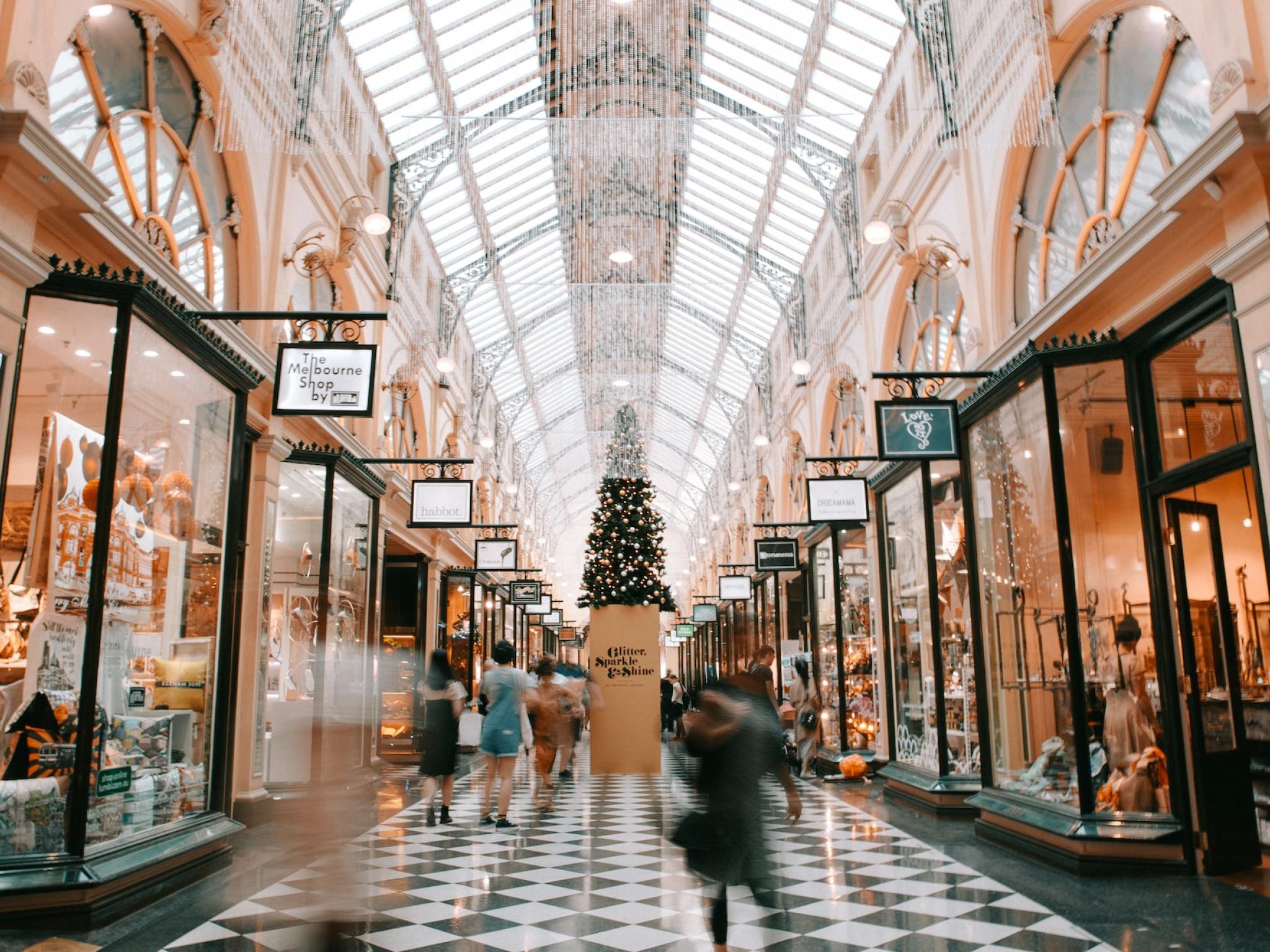
During the pandemic, conventional retail and strip mall owners played poker with their tenants. When tenants stopped paying rent, landlords had to bet on which tenants would survive and which ones would disappear.
Anchor tenants like Starbucks negotiated new favorable leases with landlords who couldn’t afford to have them leave. Fitness businesses and restaurants that hadn’t figured out how to effectively build enough customer loyalty to show up for food pickups were most vulnerable to having their leases terminated. Predictions about the death of the shopping mall rose as malls started shedding stores and customers.













