Get all your news in one place.
100’s of premium titles.
One app.
Start reading
The Times of India
The Times of India
Lifestyle
etimes.in

Post-drinking anxiety: All about hangxiety and how to ease it

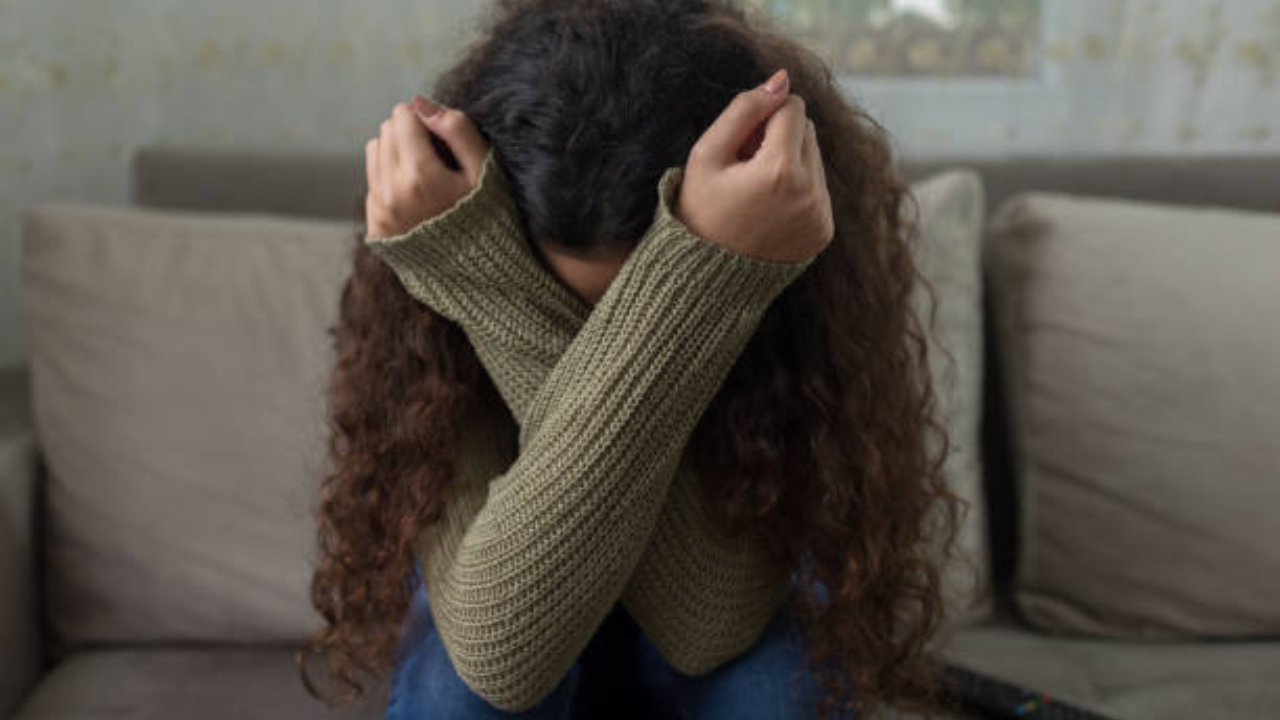
"Hangxiety," a portmanteau of hangover and anxiety, refers to the heightened feelings of anxiety and unease experienced by some individuals after consuming alcohol. While alcohol is initially a depressant that may induce feelings of relaxation and euphoria, its effects on the brain and body can contribute to increased anxiety and emotional distress during the hangover phase. It is crucial for effectively managing and alleviating its symptoms.

What triggers hangxiety?

Alcohol consumption affects neurotransmitter levels in the brain, particularly gamma-aminobutyric acid (GABA) and serotonin, which regulate mood and anxiety. As alcohol wears off, GABA levels decrease, leading to heightened excitability and anxiety.

Alcohol is a diuretic, leading to dehydration and electrolyte imbalances that can exacerbate feelings of anxiety, fatigue, and malaise. Lack of sleep is another reason. Alcohol disrupts sleep patterns, leading to fragmented and poor-quality sleep. Sleep disturbances can contribute to increased irritability, fatigue, and emotional instability.

Some individuals may be more susceptible to experiencing hangxiety due to genetic factors, underlying mental health conditions, or heightened sensitivity to alcohol's effects on the brain.

How to identify whether it is hangxiety or not?

Individuals may experience heightened feelings of worry, nervousness, or apprehension, often accompanied by physical symptoms such as racing heart, trembling, and sweating.

Hangxiety may be characterized by intrusive or negative thought patterns, self-criticism, and rumination about past events or behaviors.

Hangovers can cause physical symptoms such as headaches, nausea, fatigue, and muscle aches, which can compound feelings of discomfort and distress.

Hangxiety may manifest as emotional volatility, mood swings, or tearfulness, as individuals grapple with fluctuating feelings of guilt, shame, or regret.

Cognitive impairments associated with hangovers, such as brain fog and difficulty concentrating, can exacerbate feelings of anxiety and impair daily functioning.

How to ease hangxiety?

Moderate alcohol intake to reduce the risk of experiencing hangxiety and its associated symptoms. Set boundaries, pace consumption, and alternate alcoholic beverages with water to stay hydrated and minimize adverse effects.

Drink lots of water. Replenish fluids and electrolytes by drinking plenty of water, coconut water, or electrolyte-rich beverages to counteract dehydration and alleviate physical symptoms. Eat a balanced meal containing complex carbohydrates, protein, and healthy fats to stabilize blood sugar levels and provide essential nutrients for recovery. Engage in light physical activity such as walking, yoga, or stretching to promote circulation, release tension, and improve mood.

Practice deep breathing exercises, meditation, or progressive muscle relaxation to reduce stress, promote relaxation, and cultivate present-moment awareness.

If hangxiety persists or significantly impacts daily functioning, consider seeking support from a mental health professional, counselor, or therapist trained in managing anxiety and substance use disorders.

Sign up to read this article
Read news from 100’s of titles, curated specifically for you.
Already a member? Sign in here
Related Stories
Top stories on inkl right now
One subscription that gives you access to news from hundreds of sites
Already a member? Sign in here
Our Picks
Fourteen days free
Download the app
One app. One membership.
100+ trusted global sources.