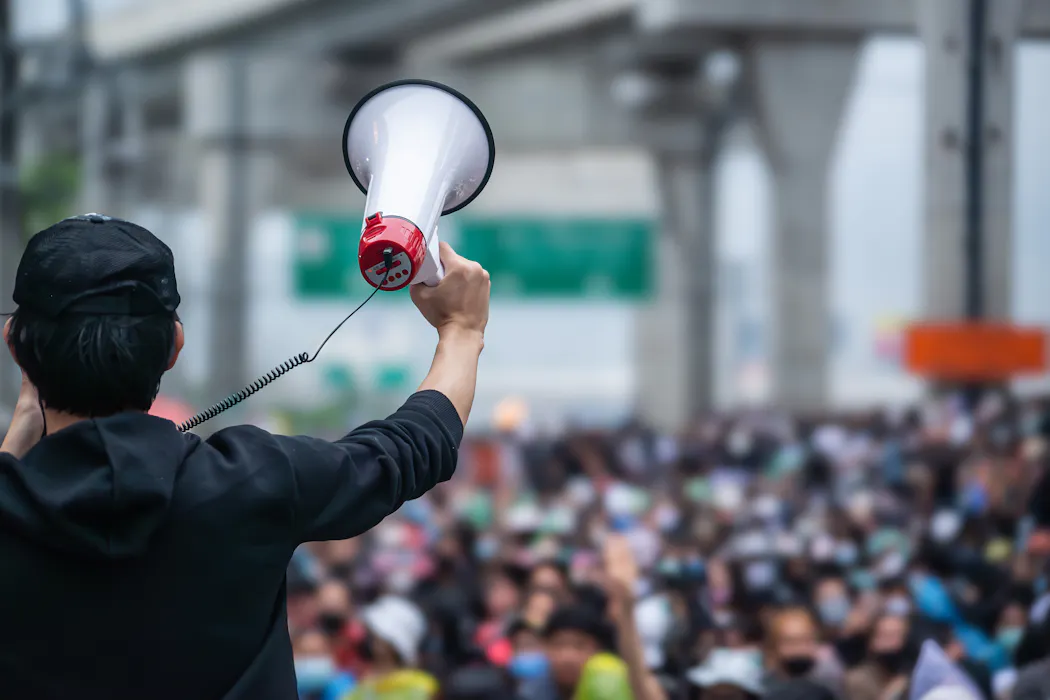
As support for populist movements surges around the world, the term has become something of a buzzword. It is used to describe very different movements and public figures in very different political contexts. These range from rightwing figures like Jair Bolsonaro in Brazil and Narendra Modi in India, to leftists like the US’ Bernie Sanders, Spain’s Pablo Iglesias and South Africa’s Julius Malema.
To further complicate this issue, scholars tend to work with different definitions of populism. Some see it as an ideology, others a type of discourse, or even a form of government. Despite these differences, most definitions agree on one core idea. Populism divides society into two opposing groups: the “pure people”, and the “corrupt elites”.