
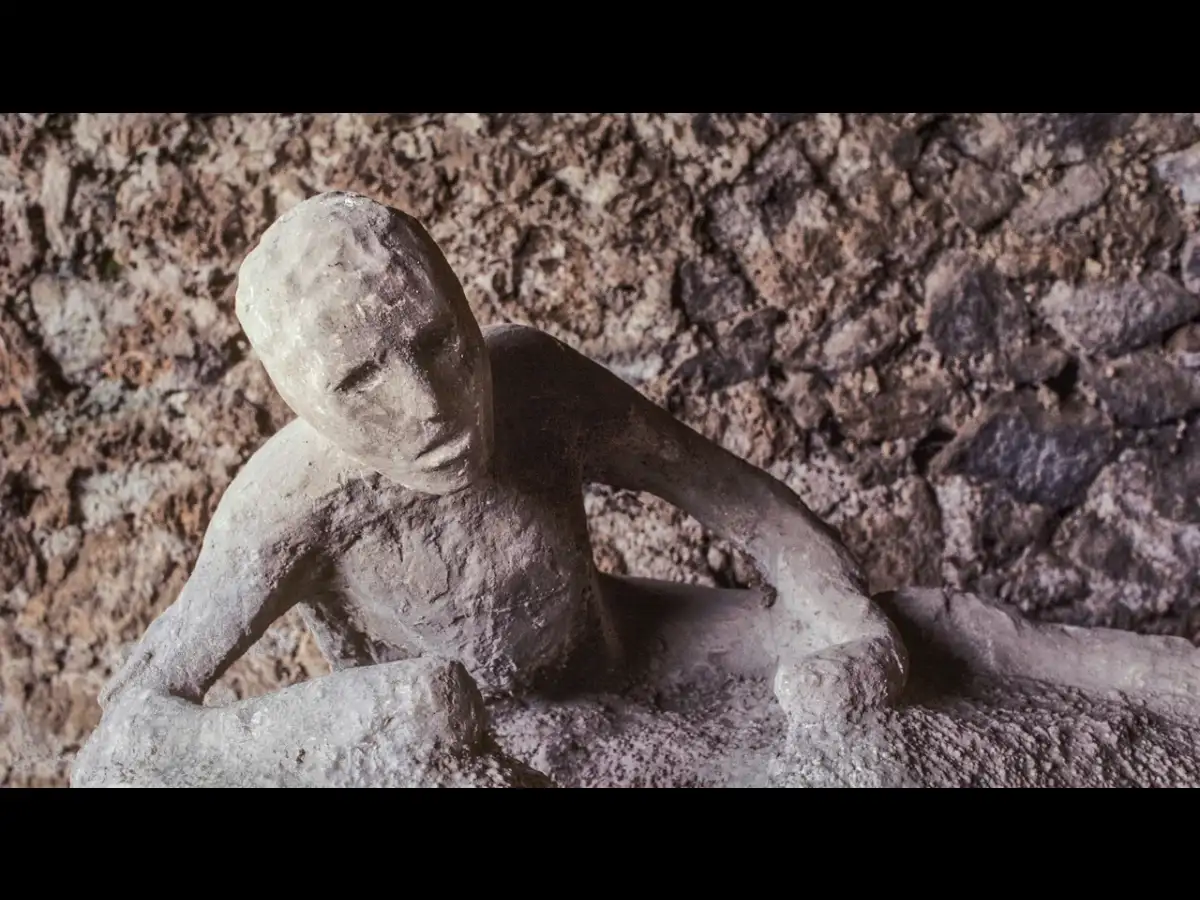
In 1748, an excavation near Naples led by Spanish engineer Rocque Joaquin de Alcubierre, under the patronage of Bourbon King Charles VII, uncovered something far more significant than the ancient remains researchers had expected. Buried beneath layers of volcanic material was Pompeii, the Roman city destroyed by the eruption of Mount Vesuvius in AD 79.
What began as an excavation linked to the search for water and ancient treasures eventually became one of the most important archaeological discoveries in history. Pompeii offered an extraordinary glimpse into everyday Roman life, with homes, streets, shops, artworks and household objects preserved beneath volcanic ash and pumice for nearly 1,700 years.














