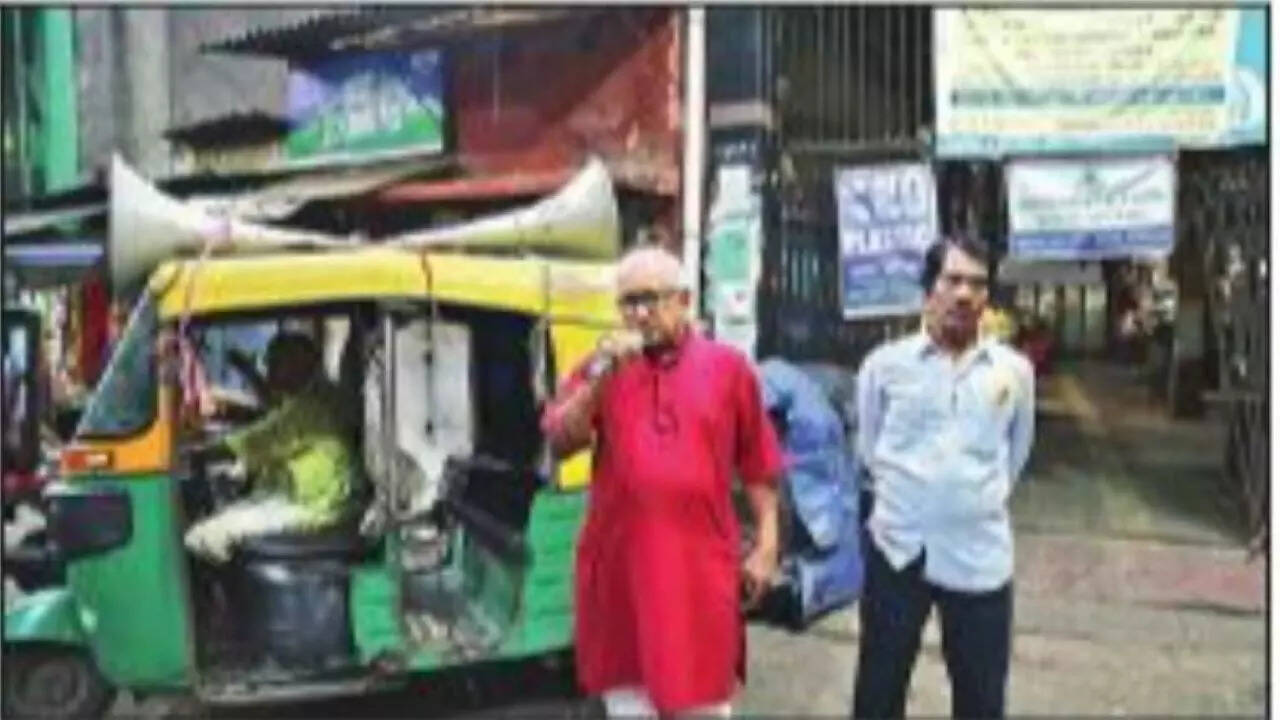
Kolkata: The West Bengal Pollution Control Board (WBPCB) — which asked the 191 plastic carry bag manufacturers to stop producing single-use plastic (SUP) bags or anything below the thickness of 75-micron — also started monitoring the units to stop the supply chain of SUP. The WBPCB has identified 1,194 plastic brands for SUP. Haldia Petrochemicals and Dhunsheri petrochemicals, two major suppliers of raw materials in the form of plastic granules, have already been requested not to supply such raw materials to the units if they violate the rules.
“We are giving maximum emphasis on building awareness. We have placed electronic billboards highlighting the harmful sides of single-use plastic. We have also formed a network of schools to ensure that students persuade their parents and neighbours to discard the use of thinner plastic bags. We are depending on the students in our fight against the menace,” said state PCB chairman Kalyan Rudra.
However, fighting the menace needs a three-pronged strategy necessitating proper recycling and disposal. “All the plastic produced and used should be collected for disposal. Secondly, the waste plastic must be recycled or incinerated; it should not reach landfills or choke our waterbodies. Thirdly, the reuse or disposal has to be done in an environment-friendly manner so that it does not cause pollution or health hazards. The plastic items that are difficult to be collected or recycled should be discarded,” said Sunita Narain, DG, Centre for Science and Environment, an important environmental advocacy group.
The notification issued by the state environment department had asked for the complete phasing out of 21 selected single-use items. The ban includes plastic carry bags (less than 75-micron in thickness, to be revised to 120-micron from January 1, 2023), earbuds and plastic crockery items (spoons, plates, glasses), straws and certain plastic-made packaging materials. “The notification has not clearly said about the multi-layered packaging (MLP), which is widely used in almost all fast-moving consumer goods, from chips to shampoos and gutka pouches. These are one of the worst plastic packaging materials, which play havoc with our rain water drainage system,” said Naba Dutta of Sabuj Mancha that spearheaded an anti-SUP campaign across the city and the state.
The environment department proposed to urban local bodies and rural local bodies across the state to impose a fine of Rs 50 on the users as well as Rs 500 on the traders violating the norms. However, the maximum fine can run up to Rs one lakh and imprisonment up to five years.