A murder case in Southampton, England has sparked outrage after police officers handcuffed a fatally wounded teenager while the man who stabbed him falsely claimed to be the victim of racist abuse. Authorities are now facing an investigation into their response following the conviction of the suspect for the muder of 18-year-old university student Henry Nowak.
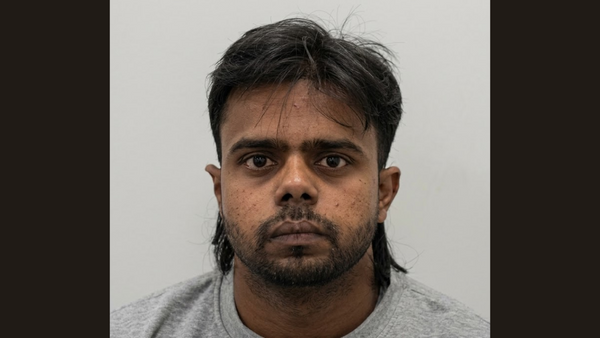
Prosecutors told Southampton Crown Court that Vickrum Digwa, 23, stabbed Nowak multiple times during an altercation in December 2025. When officers arrived at the scene, Digwa allegedly accused the injured student of racial abuse and claimed he had acted in self-defence.
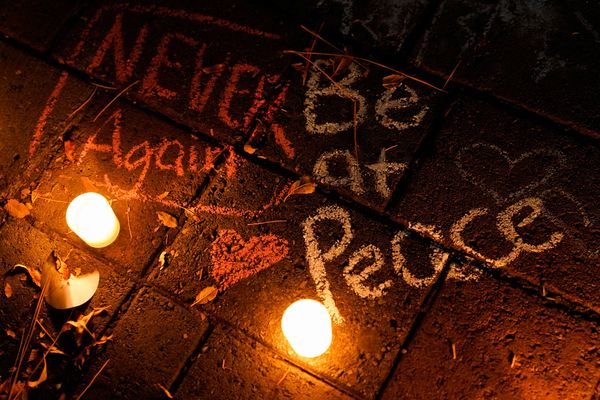
Police initially believed the account and placed Nowak in handcuffs moments before he collapsed from his injuries, per BBC.
Police Response Under Investigation
The case has drawn criticism because officers reportedly failed to immediately recognise that Nowak had suffered life-threatening stab wounds. Hampshire Police later apologised for the incident, while the Independent Office for Police Conduct (IOPC) launched an investigation into the officers' actions.
Speaking to BBC, interim Deputy Chief Constable Robert France said of the incident, 'It is a tragedy that officers did not immediately understand what had happened to Henry. I am sorry that he had been handcuffed and arrested as he lost consciousness.'
France added he intended to make the investigation transparent. 'I don't want to hide the facts. I want people to understand the full facts.' He also indicated that the officers who performed emergency CPR on the victim were the same ones who were involved in the arrest, emphasising the apparent impact the event has had on them.
According to court proceedings, Digwa denied stabbing Nowak when police first questioned him. Prosecutors described his allegations of racism as a deliberate attempt to shift blame and confuse responding officers.
Claims About Religious Reasons
During the trial, Digwa's defense argued that he carried the knife because of his Sikh faith. The court heard he wore a smaller ceremonial kirpan beneath his clothing but was also carrying a larger blade that prosecutors argued exceeded what is typically associated with Sikh religious practice, per The Guardian.
Under UK law, Sikhs are permitted to carry a kirpan for religious reasons. However, prosecutors emphasised that the legal protection does not apply when a bladed weapon is used violently. Sikh organisations also distanced the religion from the attack, stressing that the weapon involved was not representative of the traditional ceremonial item carried peacefully by practicing Sikhs.
Evidence presented during the trial suggested Digwa had a fascination with weapons. Prosecutors said he kept numerous weapons in his bedroom and described the murder weapon in admiring terms. Video footage shown in court also reportedly captured Digwa saying, "I am a bad man,' shortly before the stabbing occurred, according to reporting by Sky News.
Religious and Racism Claims Rejected
Prosecutors argued that Digwa deliberately chose to carry a large knife while out in Southampton late at night, despite not being at a Sikh place of worship or participating in a religious ceremony. The court heard he had been working for his brother's Deliveroo business before the attack.
Nicholas Lobbenberg KC said during his closing speech, 'On 3 December at around 11 o'clock, Vickrum Digwa chose to be on the streets of Southampton with a 21cm knife. He wasn't at a temple. He had been helping with his brother's work for Deliveroo. This is a man who chooses to sleep in his bedroom with an arsenal of weapons. This is a man who likes weapons.'
Lobbenberg also said Digwa repeatedly changed his account of the incident and falsely accused the victim of racism in an attempt to justify the crime. Prosecutors argued the allegation was intentionally made to portray his actions as lawful, describing the claim as a cruel fabrication directed at a teenager who was fatally wounded.
'Racism was his trump card to try to make sure what he had done was lawful. We say that was a wicked lie about a dying man. This is not a case about Sikhism. This is not a case about racism. This is a case about murder,' Lobbenberg added.