
Get all your news in one place.
100's of premium titles.
One app.
Start reading
The Conversation
The Conversation
John Schofield, Director of Studies, Cultural Heritage Management, University of York; Flinders University

Plastic waste is a toxic legacy – and an important archaeological record

Spice Footage / shutterstock

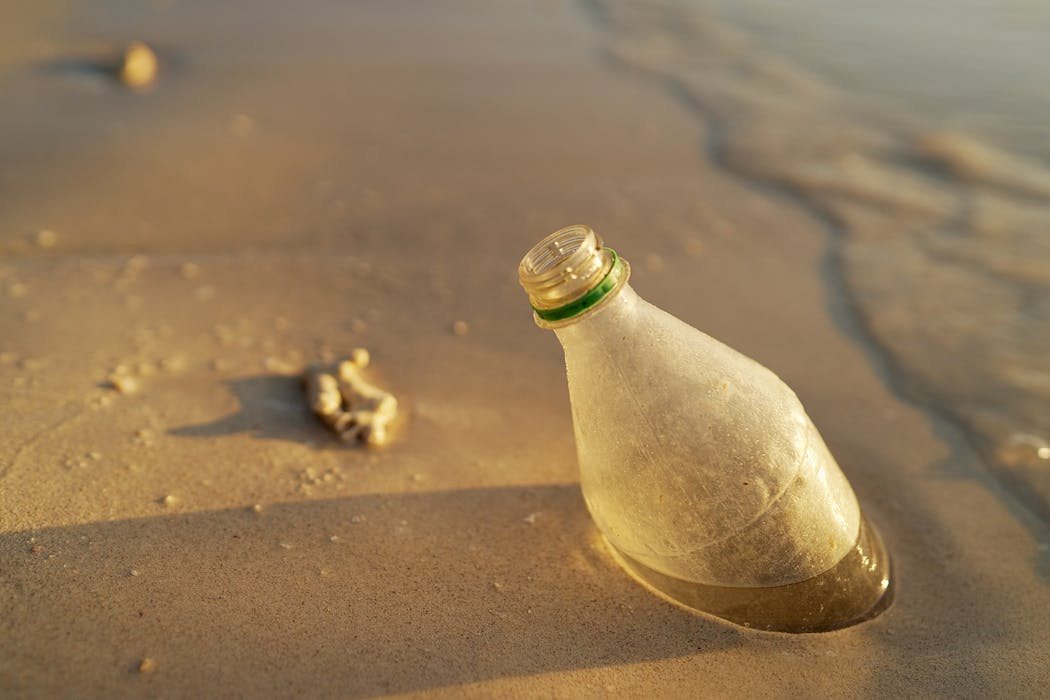
Imagine a remote Galapagos beach, where iguanas stomp around between fishing nets, flip flops, baseball caps and plastic bottles. Stuck in the sand is the empty packet for food sold only in Ecuador, the nearest mainland hundreds of miles away. To most people, these things are rubbish. But to archaeologists, they’re also artefacts – traces of how people live in what some call the plastic age.

Using an archaeological lens allows us to question what we think we know about the contemporary world, and to see plastic as not just pollution but as evidence of the impact people are having on the planet.

Sign up to read this article
Read news from 100's of titles, curated specifically for you.
Already a member? Sign in here
Related Stories
Top stories on inkl right now
One subscription that gives you access to news from hundreds of sites
Already a member? Sign in here
Our Picks
Fourteen days free
Download the app
One app. One membership.
100+ trusted global sources.







