Get all your news in one place.
100's of premium titles.
One app.
Start reading
The Conversation
The Conversation
Environment
Chris Walkinshaw, PhD Candidate, Plymouth Marine Laboratory

Plastic fibres stunt growth in mussels by more than a third – here's why this is a concern

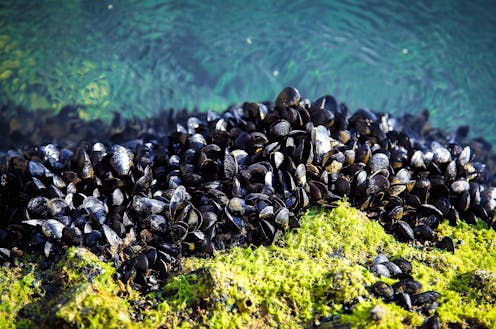
Tiny pieces of plastic litter have a harmful impact on marine animals, including mussels. Popova Tetiana/Shutterstock

Plastic pollution poses a threat to marine wildlife. The plastic bags, bottles and straws that we see strewn across beaches have long been identified as a danger. But tiny fragments of plastic – called microplastics – that are less than 5mm in size are also a major source.

Microfibres are the most common type of microplastic and account for up to 91% of the microplastics that float around our seas. These minuscule fibres are shed from textiles as a result of the wearing and washing of clothes, and from the weathering and abrasion of marine equipment.

Sign up to read this article
Read news from 100's of titles, curated specifically for you.
Already a member? Sign in here
Related Stories
Top stories on inkl right now
One subscription that gives you access to news from hundreds of sites
Already a member? Sign in here
Our Picks
Fourteen days free
Download the app
One app. One membership.
100+ trusted global sources.