
Get all your news in one place.
100’s of premium titles.
One app.
Start reading
Homes & Gardens
Homes & Gardens
Tenielle Jordison

Plant Experts Say These 5 Mistakes Are the Biggest Killers of Peace Lilies – and Most People Don't Realize They're Making Them

Places to never grow a peace lily.

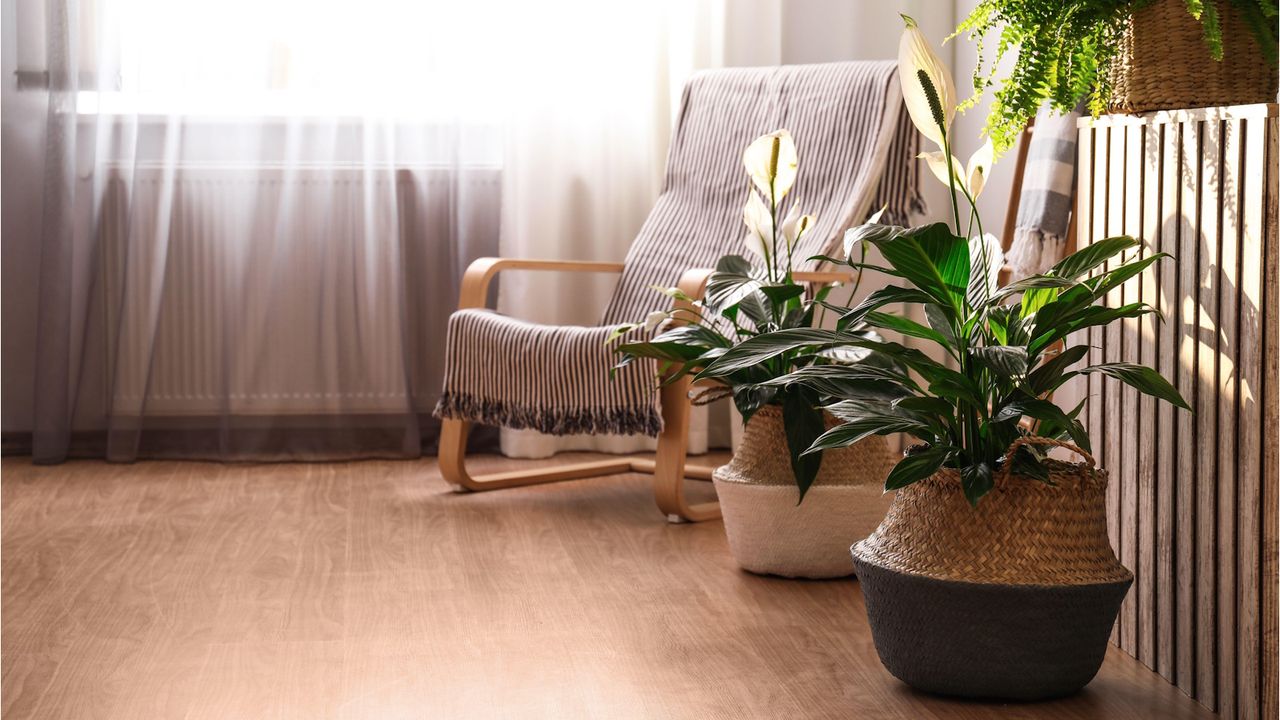
The peace lily is one of the most popular houseplants and it's not hard to see why. With luscious green foliage and elegant white blooms, they bring a touch of sophistication to interiors. But, when they start to look a little worse for wear, the effect is quite the opposite.

Peace lily care, though fairly straightforward, can be a little particular. It's not uncommon to spot premature fading flowers, discoloring foliage, and even a lack of blooms – all caused by peace lily mistakes and errors in care.

These indoor plant mistakes range from incorrect watering to getting placement wrong, and even providing too much attention to this delicate indoor flower. Here, plant experts note the top five peace lily mistakes people tend to make and how to avoid them going forward.

(Image credit: Anna Blazhuk/Moment/Getty Images)

Top 5 Peace Lily Mistakes to Avoid

Beyond being a beautiful houseplant, peace lilies symbolize renewal and rebirth in many cultural traditions.

But, this effect won't be felt to the fullest if your peace lily is looking a little tired and unhealthy. To help you get the most out of it, plant experts have shared their insights to the most common peace lily mistakes to avoid.

1. Watering Your Peace Lily Every Week

(Image credit: Тодорчук Екатерина / iStock / Getty Images Plus / Getty Images)

If your peace lily is turning yellow or wilting, take a closer look at its soil. It's likely the cause behind this unsightly appearance is soggy soil from overwatering.

'The most common mistake I see with caring for a peace lily is improper watering,' says plant expert Lee Miller.

'Wilting soggy and discolored leaves are a sign of overwatering and root rot,' she adds.

Peace lilies don't need a strict watering schedule, such as once a week. Instead, you should use a soil moisture meter (like this one from Amazon) to check weekly how dry the soil is.

When the top couple of inches dry out, it's time to water.

Of course, at different times of year (most notably the summer months), this may mean your peace lily does need watering weekly. But, in the coldest temperatures and when the peace lily is dormant, watering will be much less frequent.

At the same time, Lee warns not to allow your peace lily to sit in drought for too long:

'A peace lily drooping suddenly with lifeless looking foliage most likely points to underwatering,' she says.

'It's better to water deeply less often so that sufficient water reaches the roots,' Lee adds.

2. Using Tap Water

(Image credit: Grumpy Cow Studios / iStock / Getty Images Plus / Getty Images)

Another watering note on our list of peace lily mistakes: using tap water. This is especially a problem if you've noticed leaves on your peace lily turning brown.

'These plants can be sensitive to fluoride or chlorine in tap water. If you notice brown tips, you may want to try watering with distilled water instead,' says Gail Pabst, gardening expert from the National Garden Bureau.

Tap water isn't necessarily bad for houseplants, but it also isn't the best, due to the chemicals found in it from being treated.

That's why, as Gail suggests, distilled water (which you can purchase in packs of bottles from Amazon) is a safer choice for more sensitive plants, including peace lilies and also calatheas.

You can use a water filter jug (like this from Amazon) to remove the harmful chemicals and make your tap water more suitable for your peace lily, also.

3. Ignoring Humidity Needs

(Image credit: Getty Images / Olha Romaniuk)

Native to tropical rainforests in Central and South America, peace lilies thrive best in humidity levels between 50-60%, though they can tolerate lower in a standard home environment.

However, if you're struggling to get a peace lily to bloom, it might be a sign they need a boost of humidity.

'Browning of the outer edges of leaves of a peace lily is a sure sign of too little humidity,' says Lee. 'This can be addressed by adding a pebble tray (like this from Amazon) or using a humidifier, especially during the winter months,' she adds.

You can also use other methods to increase humidity for indoor plants, such as housing your peace lily in a bathroom or regularly spritzing it with a plant mister (from Wayfair).

This is particularly essential for winter houseplant care, as Lee notes, when the air is much drier than in the warmer months.

However, you should take care not to overdo it with boosting humidity, as this can create the ideal environment for common houseplant pests, mold, and mildew.

4. Removing Faded Flowerheads

(Image credit: Dhananjay Patil / iStock / Getty Images Plus / Getty Images)

Peace lilies flower for a few months at a time and then they fade. This is part their normal flowering cycle and isn't something to be concerned about.

However, what you do after a peace lily flowers is where the potential for peace lily mistakes comes in.

'A common mistake is removing just the faded blooms and not the entire stalk, which leads to the remaining part of the stem rotting,' says Lee.

This is easily resolved by using essential pruning tools (like these houseplant snips from Amazon) to cut a faded flower stalk at the base of the plant.

You should likewise remove discolored and old foliage to prevent any dead plant matter rotting, causing problems for root and soil health, and potentially attracting pests.

This will also help encourage new growth, redirecting the peace lily's energy.

5. Not Fertilizing Your Peace Lily

(Image credit: perfectlab / iStock / Getty Images Plus / Getty Images)

With all plants in pots, nutrients deplete in potting soil over time. That's where fertilizing comes in, boosting the essential plant nutrients available.

If your peace lily hasn't rebloomed or put out new foliage growth, it might just be that it needs fertilizing.

'Nitrogen deficiency can be quite common in some plants and can be shown as yellowing of lower leaves,' Gail adds.

If you spot these symptoms, turn to fertilizing your peace lily.

While there is no single best fertilizer for houseplants, Gail encourages using organic options for this plant because it can be sensitive to chemicals.

'Fertilize in the spring and summer using an organic fertilizer, like a coffee ground fertilizer for houseplants,' she advises.

However, if you're looking for a more instant boost of nutrients, you can purchase special peace lily fertilizers (like this liquid feed from Amazon). You should dilute this in water to protect the plant roots from root burn and only feed every few weeks during the active growth season.

FAQs

Is It Easy to Propagate a Peace Lily?

Yes, it is a quick and somewhat easy process to propagate a peace lily. The best method is by division, which is best done in early spring just before active growth kicks in. You should ensure each section you divide the plant into has a robust root system and plenty of leaves, to increase chances of success.

As well as these peace lily mistakes, you should be aware of places to never grow a peace lily and where to place a peace lily to encourage healthy growth and positive Feng Shui.

Shop Peace Lily Care Essentials

Sign up to read this article
Read news from 100’s of titles, curated specifically for you.
Already a member? Sign in here
Related Stories
Top stories on inkl right now
Our Picks
Fourteen days free
Download the app
One app. One membership.
100+ trusted global sources.