Get all your news in one place.
100’s of premium titles.
One app.
Start reading
The Times of India
The Times of India
Lifestyle
etimes.in

Plant-based diets: Are you ready to make the switch?

A plant-based diet focuses on foods primarily from plants. This includes not only fruits and vegetables but also nuts, seeds, oils, whole grains, legumes, and beans. It doesn’t mean that you are vegetarian or vegan and never eat meat or dairy. Rather, you are proportionately choosing more of your foods from plant sources.

Variety in plant-based diets

A plant-based diet allows a diverse range of foods, making it both nutritious and delicious. Common foods include:

Fruits and vegetables: These are the staples, providing essential vitamins, minerals, and fiber.

Legumes: Beans, lentils, peas, and chickpeas are rich in protein and fiber.

Whole grains: Brown rice, quinoa, oats, and whole wheat products offer complex carbohydrates and essential nutrients.

Nuts and seeds: Almonds, walnuts, flaxseeds, and chia seeds are excellent sources of healthy fats and protein.

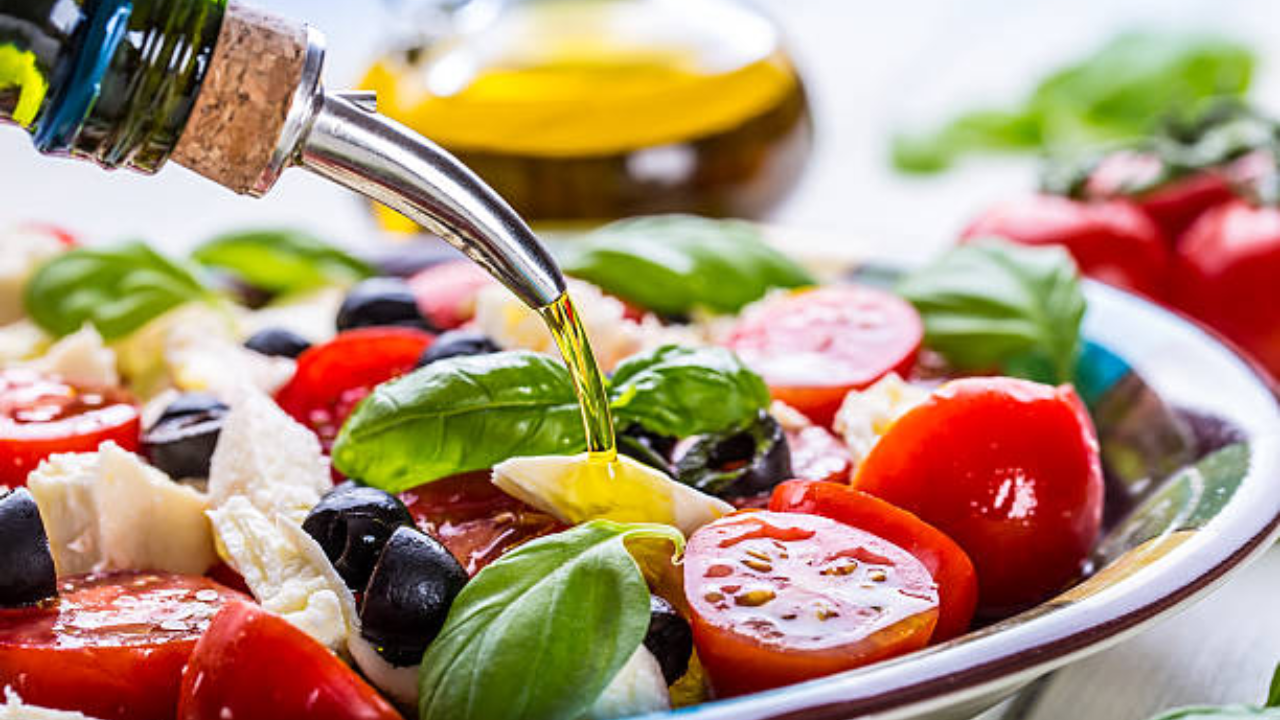
Plant-Based Oils: Oils such as olive oil, groundnut oil, and sunflower oil are used for cooking and dressings.

Health benefits of a plant-based diet

A plant-based diet is considered healthier than a meat-based diet for several reasons:

1.Lower risk of chronic diseases: Studies show that plant-based diets can reduce the risk of heart disease, hypertension, type 2 diabetes, and certain cancers.

2.Better weight management: These diets are often lower in calories and higher in fiber, helping with weight loss and management.

3.Improved digestion: The high fiber content aids in digestion and prevents constipation.

4.Enhanced nutrient intake: Plant-based diets provide a variety of vitamins, minerals, and antioxidants essential for overall health.

5.Environmental benefits: Reducing meat consumption lowers your carbon footprint, contributing to environmental sustainability.

The Indian perspective on plant-based diets

While the plant-based diet seems like a new trend from the Western world, it has deep roots in Indian culture. Historically, a significant portion of the Indian diet has been plant-based. Legumes, vegetables, and plant-based oils like groundnut and mustard oil have been staples in Indian households for generations.

In the 1970s and 1980s, nearly 40% of Indians were vegetarians. However, due to Western influence, dietary habits have shifted, and this number has decreased to around 20-25% today. Despite this, the traditional Indian diet still emphasizes plant-based foods, even among non-vegetarians who typically consume meat only a few times a week. This contrasts sharply with Western diets, where non-vegetarian meals are more frequent.

The resurgence of plant-based diets in the West is influencing Indian dietary habits once again. This trend is not new to India but rather a return to its culinary roots. Even non-vegetarian Indians consume significantly less meat compared to their Western counterparts, aligning with the principles of a plant-based diet that allows for moderate meat consumption.

In conclusion, while plant-based diets are gaining popularity globally, they have been an integral part of Indian culture for centuries. As more people recognize the health and environmental benefits, the plant-based diet is seeing a revival in India, reaffirming its long-standing culinary traditions.

(Author: Nandan Gijare, Managing Director of I2CAN (Indian Institute of Cosmetology, Aesthetics, and Nutrition)

Sign up to read this article
Read news from 100’s of titles, curated specifically for you.
Already a member? Sign in here
Related Stories
Top stories on inkl right now
One subscription that gives you access to news from hundreds of sites
Already a member? Sign in here
Our Picks
Fourteen days free
Download the app
One app. One membership.
100+ trusted global sources.