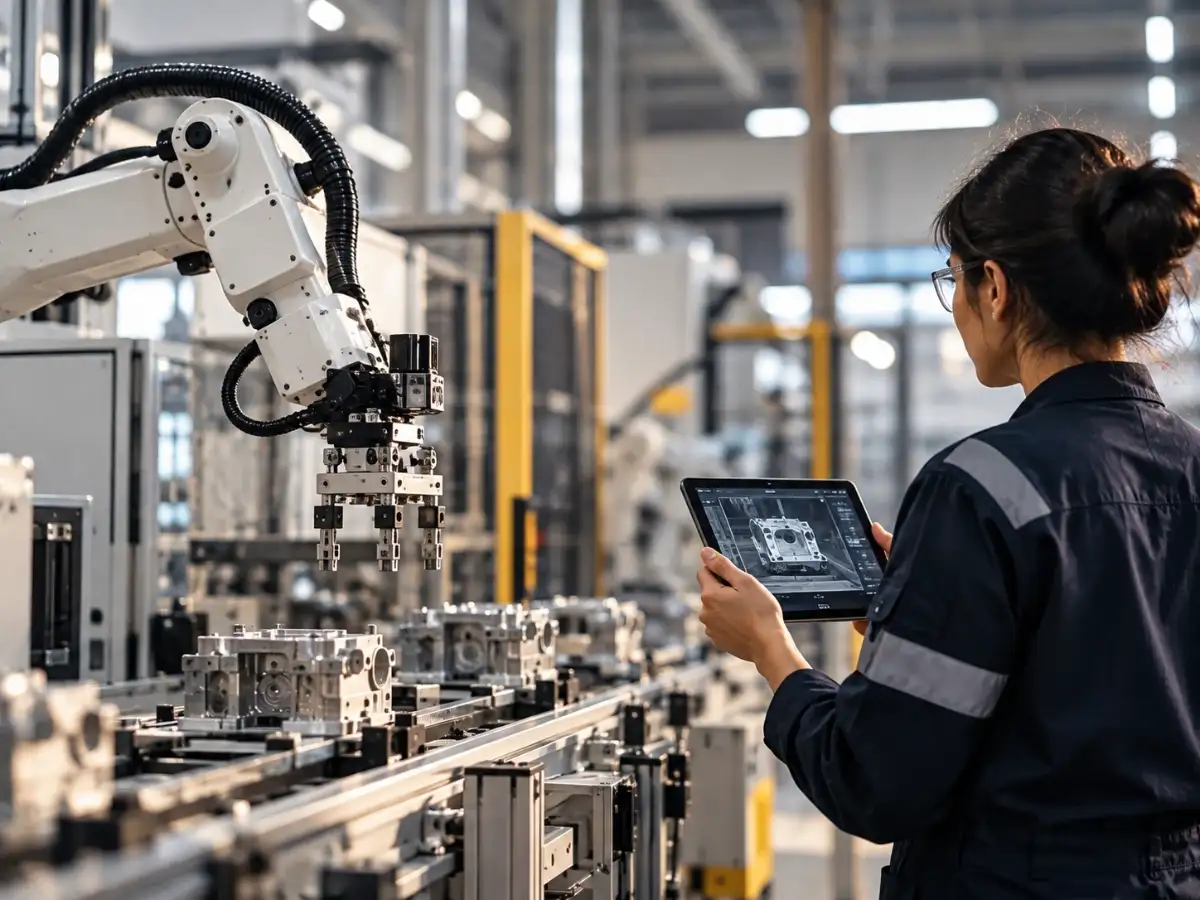
A software system can pause before making a decision. A robot operating beside a factory worker may have only milliseconds to respond. That difference captures one of the central challenges in Physical AI. When artificial intelligence moves from digital interfaces into machines and industrial environments, it must interpret the physical world and act within it. A model that performs well in a controlled demonstration still has to contend with changing light, moving objects, unpredictable surroundings and the consequences of getting a decision wrong.
For businesses, the implications reach well beyond robotics. Physical AI brings together computer vision, spatial systems, edge computing and automation to help machines interpret their surroundings and respond to them. The commercial question is whether these capabilities can operate reliably enough to justify deployment at scale.