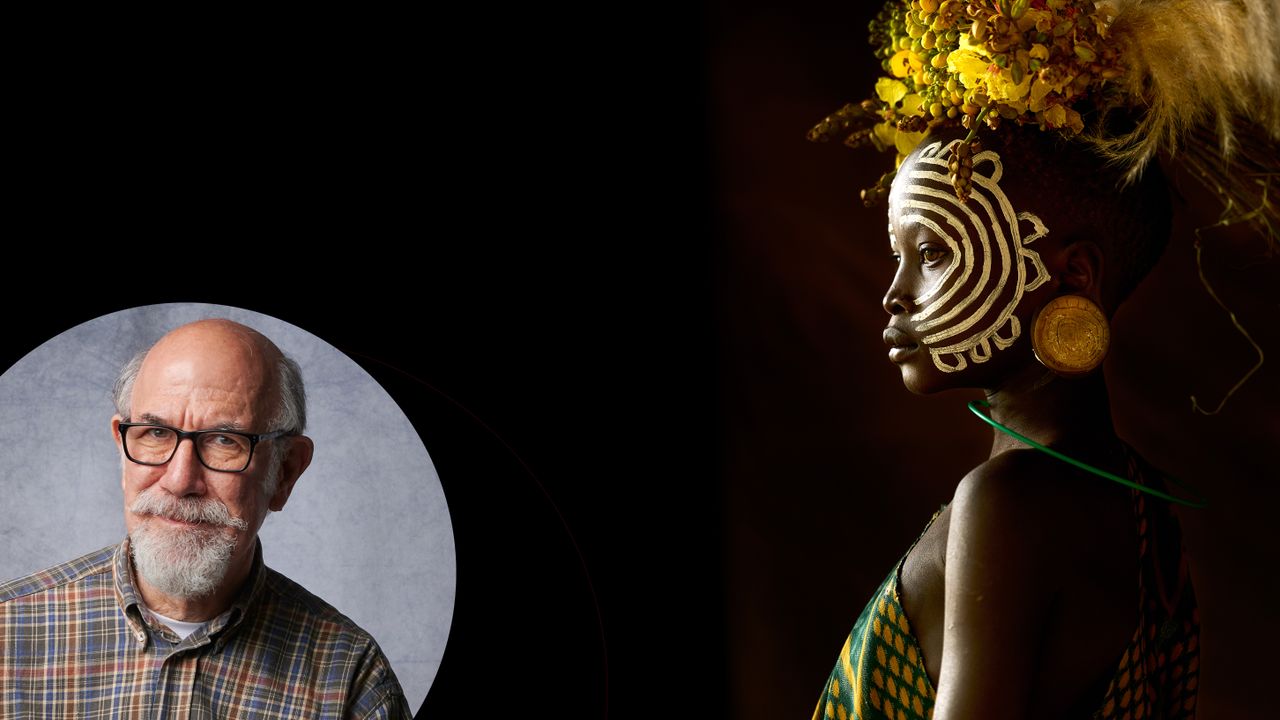
Terrence Mendoza is a travel and portrait photographer on a mission to document remote tribal traditions before they disappear under the pressure of globalization.
Travelling to small villages in Kenya, Angola, Ethiopia, South Sudan and India, he captures intimate portraits and environmental scenes – often venturing along barely used tracks or dry riverbeds to reach communities rarely seen by the outside world.
Armed with his Nikon Z6 and Z7 II, Mendoza uses wide-angle lenses for ceremonial and tribal scenes, and his 70-200mm lens for fine-art portraits. Take a look at his photography, in which he aims to raise awareness and protect these cultures by showcasing their beauty, diversity and resilience.

"Modernization, such as the building of roads to formerly inaccessible areas, is influencing tribal dress and customs – and not in a good way. I set out to highlight the diversity of these tribes, in the hope that raising awareness of this often-overlooked issue may help to protect their cultures.
"My trips took me off the beaten track to small villages in Kenya, Angola, Ethiopia, South Sudan and India, camping in remote regions and traveling along barely used tracks or dry river beds to visit the tribes.
"I initiated each visit without my camera, so I could get to know my subjects first and once the connection was made, it was easier to introduce the camera. I traveled with an interpreter, although for portrait work, it was easier to make a personal connection without this added distraction.
"Without a common language, portraiture was often challenging. However, I found such interactions to be rewarding, often emotionally moving. Showing the subjects their image on the back of the camera invariably created a positive reaction."

"I love using my Nikon mirrorless kit. With tribal dancing or ceremonies, I use 24mm or wider, which allows me to keep the horizon low, get close to the action and let the subject dominate the frame. Environmental portraits also benefit from getting close and keeping the horizon low.
"However, for fine-art portraits, I use my go-to 70-200mm lens at the long end, stopped down to f/4.0, shooting early morning or late in the day, with low sun. I position my subject with the background far enough away to create pleasing bokeh. If I'm shooting with the harsh overhead sun, I look for a shaded area.
"With my images, I want to share the emotional connection I had with these people, their beauty and dignity, their hospitality and friendliness. I feel privileged to have spent time getting to know them all, and my enduring impression is how cheerful and welcoming they are."
You might also like...
Browse the best professional cameras, the best travel cameras, and the best lenses for portraits.