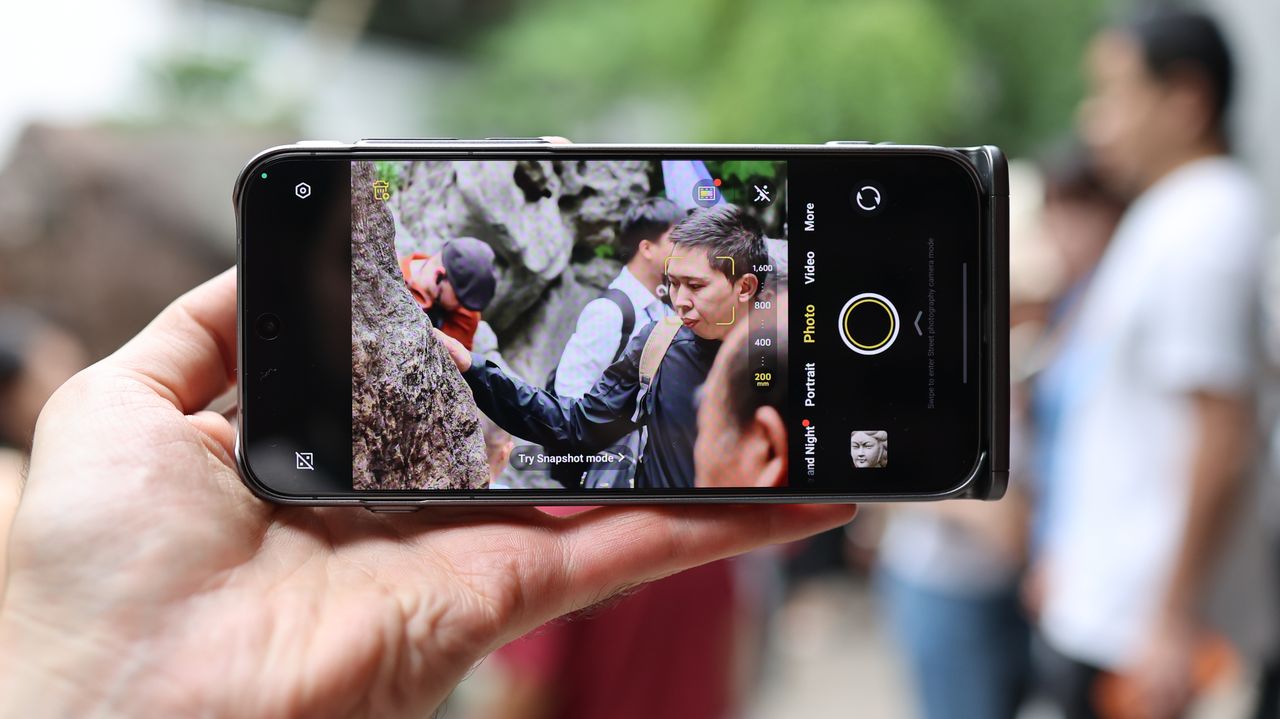
The reality is that news is no longer broken by reporters. Instead, it’s captured and distributed by eyewitnesses. It could be the frontlines of a protest or the immediate aftermath of a natural disaster. Either way, those best placed to bring instant updates are those on the ground at the time the event took place. They’re also the only ones able to record the first few minutes of an incident.
This radical shift, transforming ordinary citizens into the world's most immediate photojournalists, has democratized journalism, for better and for worse. It means we have access to footage that would have previously been unseen, but at the same time, we’re being flooded by content that is oftentimes emotionally charged but is also unverified.
We are living in a new era of history writing. The critical question isn't whether this is changing journalism, but whether this powerful, decentralized engine of information is ultimately a force we should embrace or deeply worry about.
Eyewitness footage has many benefits
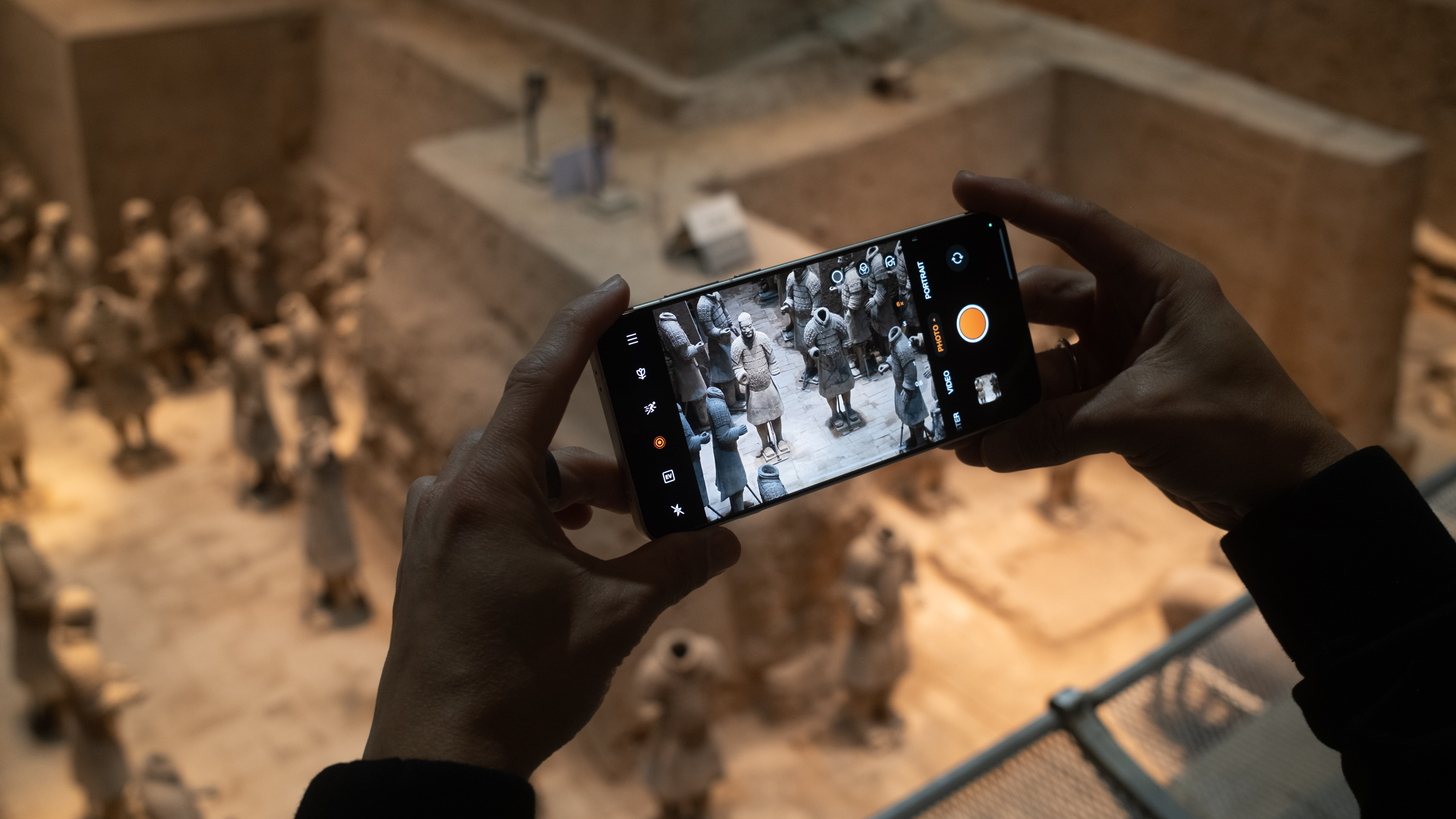
The camera phone has made news faster, more accountable and more representative. There is no getting away from the fact that these are significant benefits.
Take, for example, a mass shooting or a natural disaster. If citizens are able to capture footage which is subsequently shared with the public, then that could possibly save lives. The immediate sharing of an incident, or the precise location of danger, enables emergency services and the public to react faster.
Accountability is another major benefit. In recent years, mobile footage has become instrumental in holding people accountable and capturing moments of police brutality and political unrest that might otherwise be denied or overlooked. The footage from the George Floyd arrest is a prime example of this.
The case for concern
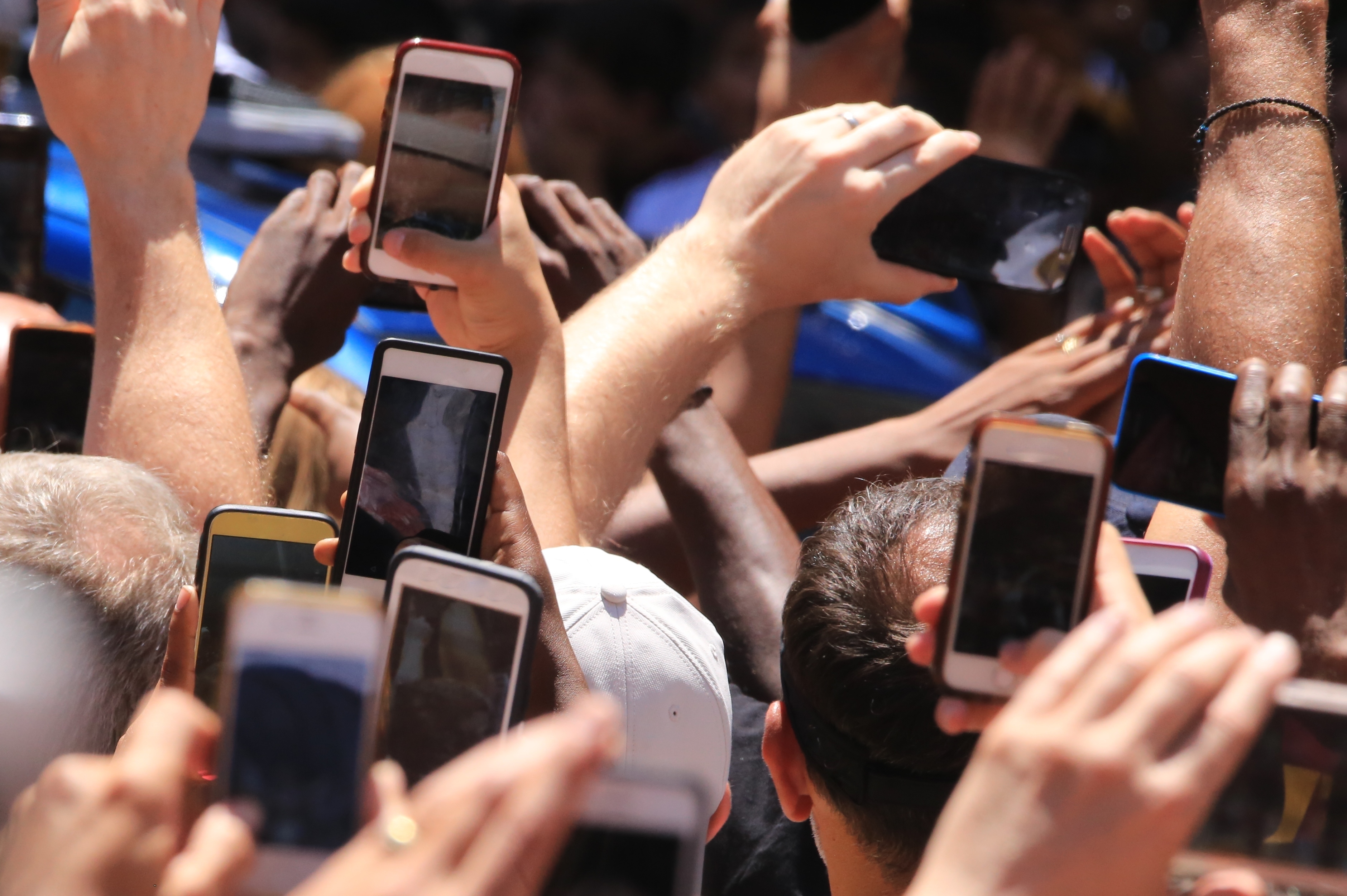
However, this democratization comes with some very real concerns – the primary one being the erosion of accuracy and verification. Most professional journalists adhere to codes of ethics, including rigorous fact-checking, seeking multiple sources and considering the impact of their reporting. Witnesses won’t necessarily follow the same rules.
A citizen witness, motivated by shock, outrage or simply the desire for views, may post content that is unverified, manipulated or lacking crucial context. The speed of social media dissemination means that misinformation can go viral before anyone has had time to authenticate the footage. This makes it very difficult for viewers to know if they’re viewing ‘real’ footage that can be trusted.
There are also ethical and privacy concerns. A witness with a phone camera may record victims in moments of extreme distress or private grief, violating people’s personal space. This content, once online, is then almost impossible to retract.
What might the future look like?
The ship of user-generated eyewitness content has already sailed – and that ship isn’t turning back. The question, therefore, becomes, how can new forms of media-capture and traditional journalism live harmoniously, side-by-side?
There will be very little motivation for eyewitnesses to adapt how they capture footage. They are operating on the spur of the moment, oftentimes under extreme stress and difficulty. The primary onus must therefore be on journalists and viewers consuming the news.
Journalists should lean into their core strengths of context and verification. Rather than viewing citizen footage as a replacement for their work, they should view it as a critical source that they then interpret and distribute.
The rest of us must take our responsibility seriously, too. Rather than becoming anxious or worried about the way the world is going, we should make every effort to seek out independently verified news from organizations that we trust.
You might also like…
Take a look at the best camera phones, including the best iPhones for photography.