Get all your news in one place.
100’s of premium titles.
One app.
Start reading
The Independent UK
The Independent UK
Steve Fowler

Petrol versus electric ‘fuel’ costs – an EV does the equivalent of 352 miles per gallon

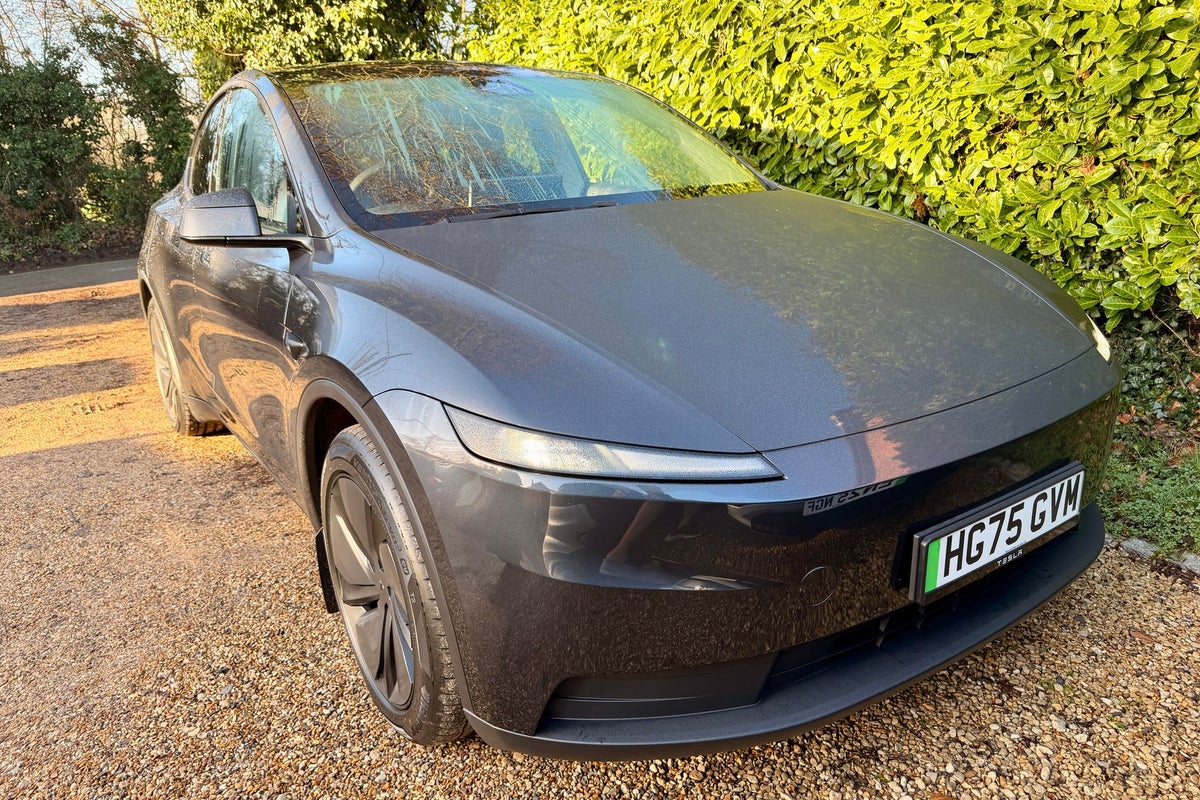
An efficient EV can do the equivalent of over 350mpg when costs are compared - (Steve Fowler)

Research by EV charging company Ohme has revealed the true cost of ‘fueling’ an electric car versus a petrol model.

The current average price of petrol is £1.36 per litre, which equates to around £6.17 per gallon. Spending the same amount on electricity to power an EV using a cheap-rate energy tariff, like Intelligent Octopus Go at 7p per kWh, buys you 88kWh of electricity. That’s enough to travel 352 miles in an efficient electric car that manages four miles per kWh.

The UK's biggest home charging company, Ohme, says EVs are still cheaper than petrol cars, even after latest electricity price increases (Ohme)

Even without taking advantage of a low-rate energy tariff and using the newly increased standard rate of electricity of 27.69p, the same EV would be getting the equivalent of 89mpg, making it less than half the cost of fuelling an average petrol car at 40mpg.

David Watson, CEO of Ohme, which claims to be the UK’s largest EV charging company, said: “The idea of a car doing 350mpg would obviously be fanciful, but that could be the reality when charging your EV on a smart energy tariff at home with Ohme. Charging at home will always be the most affordable place for EV drivers to charge their cars even with this latest rise and changing to a smart electricity tariff will enable drivers to maximise those savings still further.”

However, the cost of public charging remains a thorny issue for EV owners, especially those who don’t have access to home charging. Fast charging can cost as much as 89p per kWh, while charging at public 7kW chargers – the same speed as home chargers – can cost as much as 65p, although supermarket Tesco is an outlier, charging 44p per kWh.

Recent government plans to make it easier for public charge point providers to install new chargers could bring down costs, while new regulations will make it easier for EV owners who don’t have off-street parking to safely channel a charging cable across a pavement if they’re able to park outside their home.

However, the VAT charged on public charging versus home charging remains a big discrepancy, with VAT charged at five per cent on home electricity and 20 per cent on public charging.

Sign up to read this article
Read news from 100’s of titles, curated specifically for you.
Already a member? Sign in here
Related Stories
Top stories on inkl right now
One subscription that gives you access to news from hundreds of sites
Already a member? Sign in here
Our Picks
Fourteen days free
Download the app
One app. One membership.
100+ trusted global sources.