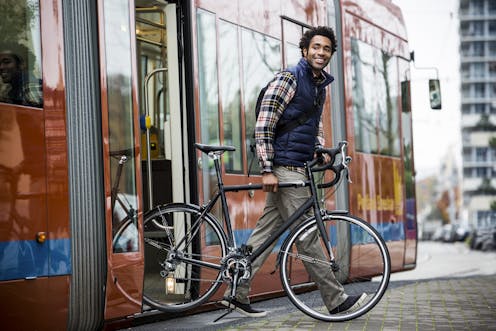
The Intergovernmental Panel on Climate Change in 2022 emphasized that changes to lifestyles and behavior have the potential for large reductions in global greenhouse gas emissions. These changes – from using more mass transit to ensuring homes and offices are made more energy-efficient – have the potential to help reduce greenhouse gas emissions 40%-70% by 2050. But to achieve these large reductions, policies are needed to help drive individual change, often through government or businesses.
But research in social and behavioral science for the best solutions has been lagging behind communication of climate and the physical science of it. It’s one reason some members of the public believe that individual actions won’t have any meaningful impact.