The 14th century is known for catastrophe. By midcentury, the first wave of plague spread through a Europe already weakened by successive famines and the Hundred Years War between England and France. And crises just kept coming. After the first wave, which has come to be called the Black Death, the disease returned at least four more times before 1400. All the while, fresh conflicts kept erupting, fueled in part by the rising number of soldiers available for hire.
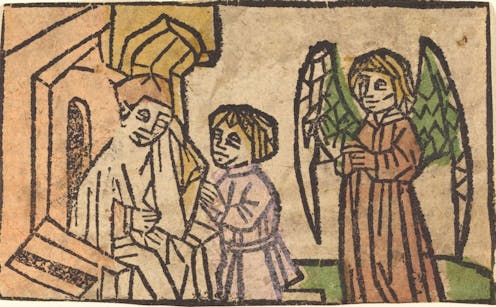
As a medieval historian, I study ways that community leaders used Catholic practices and institutions to respond to war and plague. But amid the uncertainty of the 14th century, some Catholic institutions stopped working the way they were supposed to, fueling frustration. In particular, the unrelenting crises prompted anxiety about the sacrament of penance, often referred to as “confession.”