More one-year-olds will qualify for an RSV antibody shot this winter under guidance the American Academy of Pediatrics released Wednesday, which widened the list of medical conditions that make a toddler eligible for protection in a second RSV season.
The academy's updated policy statement in Pediatrics keeps the core recommendation intact: essentially every infant under 8 months born during or entering a first RSV season should be protected, unless the baby already has documented protection from a parent's vaccination during pregnancy. What changed sits one age bracket up. The statement says a review of evidence supports expanding the high-risk criteria for children 8 through 19 months entering their second season.
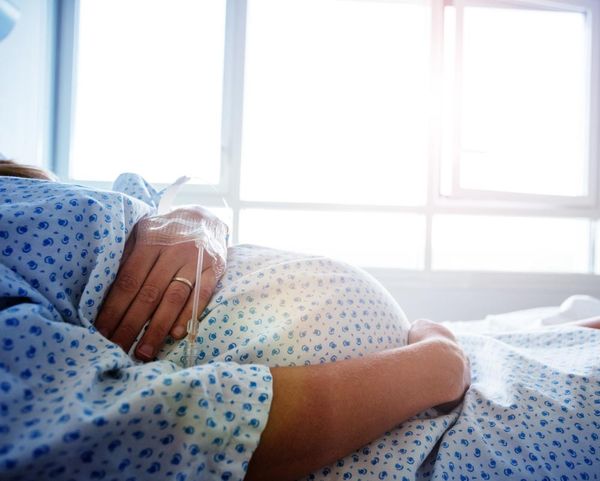
For families, that is a concrete change rather than an abstract one. A toddler who was not eligible last winter may be eligible this winter, and the decision now turns on a specific list of conditions rather than a general impression of fragility.
Inside the Widened Second Season List
The academy's administration guidance identifies eight groups of children aged 8 to 19 months who should receive a dose entering their second season.
They include children born preterm at less than 32 weeks and 0 days of gestation, regardless of whether they needed medication or other support afterward. They include children with chronic lung disease attributable to prematurity or to other significant newborn conditions, such as meconium aspiration or congenital diaphragmatic hernia, who required chronic corticosteroids, diuretics, or supplemental oxygen at any point in the six months before the season starts.
The list also covers children with hemodynamically significant congenital heart disease, meaning a defect capable of producing symptoms or heart chamber dilation. It covers children with anatomic pulmonary abnormalities or neuromuscular disorders that put them at risk for severe RSV disease, children with severe immunocompromise, and children with Down syndrome or other chromosomal differences that raise their risk.
Cystic fibrosis qualifies when a child has either manifestations of severe lung disease or a weight-for-length below the 10th percentile. American Indian and Alaska Native children are included as a high-risk group, which the academy attributes to significantly higher rates of severe RSV disease and hospitalization associated with social drivers of health, including household crowding, indoor air quality, and access to running water and transportation, with rural and reservation communities most affected.
Parents should not try to self-assess against that list. Several of the categories, particularly the cardiac and pulmonary ones, depend on clinical judgment about severity that a pediatrician or specialist makes.
Antibodies, Not Vaccines, and Why the Difference Matters
The products involved here are not vaccines, and the distinction affects what parents should expect.
Nirsevimab and clesrovimab are long-acting monoclonal antibodies. They deliver ready-made antibodies rather than training a baby's immune system to produce its own, which means protection begins almost immediately instead of building over about two weeks. It also means protection fades, lasting roughly the length of one RSV season.
Only nirsevimab is approved for the second season. Clesrovimab is indicated for a first season only, so a toddler in the expanded group needs the nirsevimab product specifically. That distinction is spelled out in the academy's broader RSV prevention resources alongside the dosing details.
The dosing differs too. Second-season children receive a single 200 mg dose of nirsevimab, administered as two separate 100 mg intramuscular injections. Parents should know to expect two shots rather than one, because that surprise in the exam room is a common source of friction.
RSV remains a leading cause of hospitalization among American infants. An estimated 58,000 to 80,000 children under 5 are hospitalized with it each year in the United States.
Timing, Dosing and the Birth Hospital Window
Timing carries more weight with these products than with most childhood immunizations, because eligibility closes based on age.
Babies born during RSV season should receive their dose within a week of birth, ideally in the hospital before discharge. Infants born outside the season should be immunized shortly before or during it, which in most of the continental United States runs from October through the end of March, consistent with federal RSV antibody administration guidance. Babies with prolonged hospital stays should receive it shortly before or promptly after discharge.
The academy is asking practices to run reminder and recall outreach before the season begins, using electronic health record queries to identify both infants under 8 months who have not been immunized and older children who now meet the widened criteria. Families should not assume that outreach will reach them. A call to the pediatric office asking whether a child is on the eligibility list is faster than waiting.
Safety data in infants with a postmenstrual age under 32 weeks remain limited, which the guidance states plainly.
Coverage Questions Parents Should Raise Now
Cost is the open question. Recommendations from medical societies do not automatically trigger the insurance coverage requirements or federal purchasing rules that a federal advisory committee recommendation would, and that committee has not issued 2026-2027 guidance.
There was a reassuring signal this week. Sarah Nosal, president of the American Academy of Family Physicians, told reporters at a briefing that insurers have indicated to the major medical groups that they will cover this season's respiratory virus immunizations. That is an indication rather than a guarantee, and it does not resolve every plan.
Practical steps: ask the pediatric office whether it has product in stock before scheduling, since supply and ordering differ between the two antibody products. Call the insurer and ask specifically whether the second-season nirsevimab dose is covered without cost sharing. Families using the federal Vaccines for Children program should ask the practice how that program is handling these products this season.
What remains unresolved is whether federal guidance will follow, whether every insurer honors the societies' recommendations, and how the broader legal fight over the federal schedule is settled on appeal. Detailed evidence behind the expanded criteria sits in an accompanying technical report published alongside the policy statement.
The reasonable action for a parent is narrow and specific: if a child is between 8 and 19 months and has a heart condition, a chromosomal difference, a neuromuscular or lung condition, was born very preterm, or has a weakened immune system, ask the pediatrician before October whether the criteria apply.
Key Questions Answered
What actually changed? The American Academy of Pediatrics expanded the criteria that qualify children aged 8 to 19 months for RSV immunization entering their second RSV season.
Which children qualify? Children born before 32 weeks, those with significant congenital heart disease, anatomic lung abnormalities or neuromuscular disorders, severe immunocompromise, Down syndrome or other chromosomal differences, chronic lung disease of prematurity, qualifying cystic fibrosis, and American Indian and Alaska Native children.
Is this a vaccine? No. Nirsevimab and clesrovimab are monoclonal antibodies that supply ready-made protection lasting about one season, rather than vaccines that train the immune system.
Does my baby need it if I was vaccinated in pregnancy? Usually not. Most babies born at least 14 days after a parent received the RSV vaccine during pregnancy do not need a dose, though a clinician should confirm.
When should a child get it? Babies born during the season should be immunized within a week of birth. Others should receive it shortly before or during the season, generally October through March.
Will insurance pay for it? Insurers have indicated to the medical groups that they intend to cover this season's respiratory immunizations, but coverage is not federally required in the usual way this year. Call the plan and confirm.
What should a parent do first? Call the pediatrician and ask directly whether the child meets the widened second-season criteria, rather than waiting for a reminder letter.