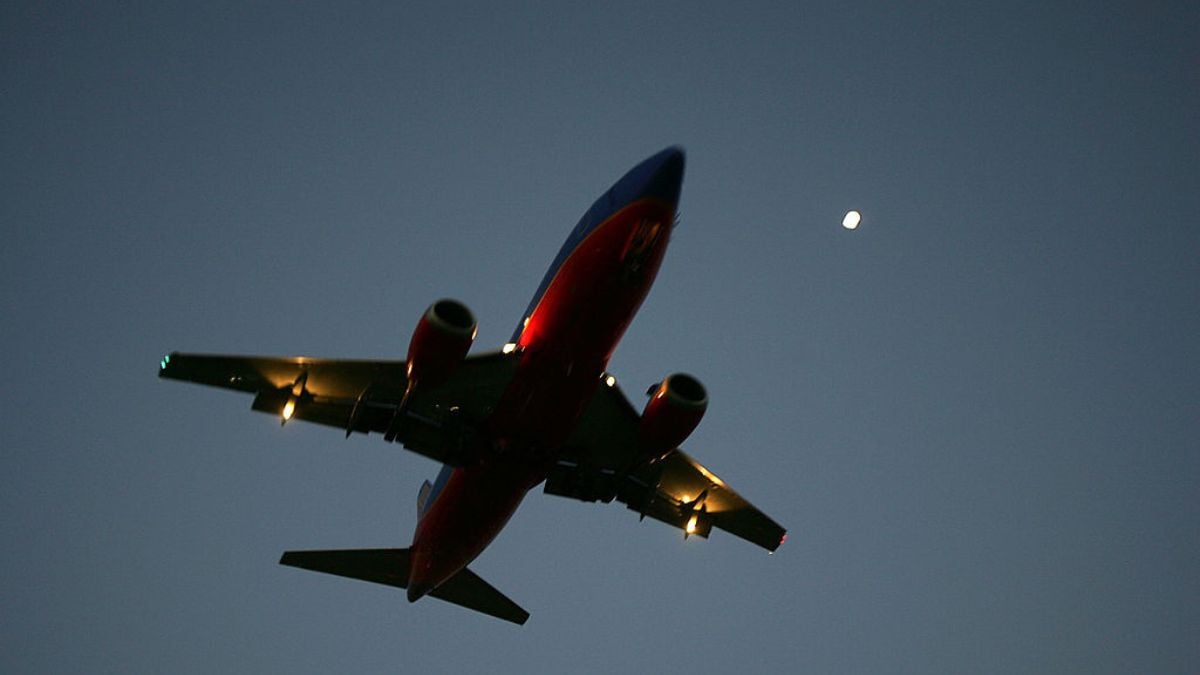
On April 28, 1988, Aloha Airlines Flight 243 left Hilo International Airport at 1:25 PM. It was supposed to be a quick 35-minute trip to Honolulu. The Boeing 737-200 had 90 passengers and five crew members on board. Captain Robert Schornstheimer was flying the plane with First Officer Madeline Tompkins. Everything seemed normal at first.
Around 20 minutes after takeoff, the plane reached 24,000 feet in the air. That’s when people heard a huge explosion. A massive piece of the plane’s roof suddenly ripped off. The section that tore away was 18 feet long. It stretched from behind the cockpit all the way to the wings. People sitting in first class could now see straight up into the sky where the ceiling used to be. Wind started blowing through the cabin at 300 miles per hour.

What happened next was horrible. Passenger William Flanigan told The Washington Post that flight attendant Clarabelle Lansing was giving his wife a drink when everything went wrong. “And then, whoosh! She was gone,” he said. “Their hands just touched when it happened.” Lansing got pulled out of the plane by the rush of air. She had been working for Aloha Airlines for 37 years. Search teams looked for her body for three days but never found her. She was the only person who died that day.
The pilots pulled off what seemed impossible
Captain Schornstheimer grabbed the controls right away and started bringing the plane down fast. The cockpit door had blown off too, so he could look back and see the blue sky above the passengers. The wind noise was so crazy that the pilots could barely hear each other talk. The flight attendants who were still on the plane couldn’t even get to the cockpit because they didn’t know if the pilots were okay.
The captain brought the plane down between 280 and 290 knots, dropping as fast as 4,100 feet every minute. He changed course and headed for Kahului Airport on Maui instead. The plane had to fly over mountains to get there. Everyone on board thought they were about to die. Flanigan said later that wires were hanging everywhere and wrapped around him.
Hawaiian Airlines Airbus A330-243 aircraft (N370HA) becomes last to operate under "HA callsign” that ends after 95 years…
— FL360aero (@fl360aero) October 29, 2025
The aircraft operated Flight HA866 from Pago Pago to Honolulu on 29 October 2025.
After 95 years, the two letters, “HA,” that have symbolized Hawaii’s… pic.twitter.com/VJFzS1o0r5
Captain Schornstheimer kept the damaged plane in the air for 13 more minutes before landing at Kahului Airport. People called it a miracle landing. Out of 95 people on the plane, 65 got hurt and eight had really bad injuries. Flight attendant Jane Sato-Tomita got knocked out from a serious head injury. Lots of other people got cut and bruised by things flying around the cabin.
When investigators looked into what happened, they found out that Aloha Airlines had missed some big problems with the plane. The plane was 19 years old and had flown 89,680 times. That’s way more than most planes. Aloha Airlines mostly flew short trips between Hawaiian islands, so their planes went up and down way more often than normal.
Every time a plane goes up, the cabin pressurizes, and every time it comes down, it depressurizes. All those ups and downs put tons of stress on the metal. Boeing didn’t plan for planes to go through that many cycles when they made their maintenance guides.
Aloha Airlines Flight 243 was a routine flight from Hilo to Honolulu in Hawaii. On April 28, 1988, the flight left Hilo International Airport with five crew members and 90 passengers, heading towards Honolulu.
— Fascinating (@fasc1nate) December 23, 2023
The plane had a smooth takeoff and climbed to its cruising altitude… pic.twitter.com/gh2kBH4Qdl
What really went wrong was that tiny cracks and rust had been eating away at the metal pieces that held the plane together. The maintenance crews at Aloha Airlines should have caught these problems but didn’t. One day, all that damage just became too much and the roof gave out.
This crash changed how airlines take care of their planes. Congress passed a new law called the Aviation Safety Research Act of 1988. It made the FAA watch airlines more carefully and forced them to check older planes better. Doctors were shocked that so many people survived after being exposed to freezing winds and low oxygen at such a high altitude. The whole thing taught the aviation world that old planes need special attention and really good maintenance to stay safe.