Get all your news in one place.
100's of premium titles.
One app.
Start reading
The Conversation
The Conversation
Dan Mennill, Professor and Associate Dean of Science, University of Windsor

Paris has successfully cut noise pollution, but urban birds still can’t sing at their natural pitch

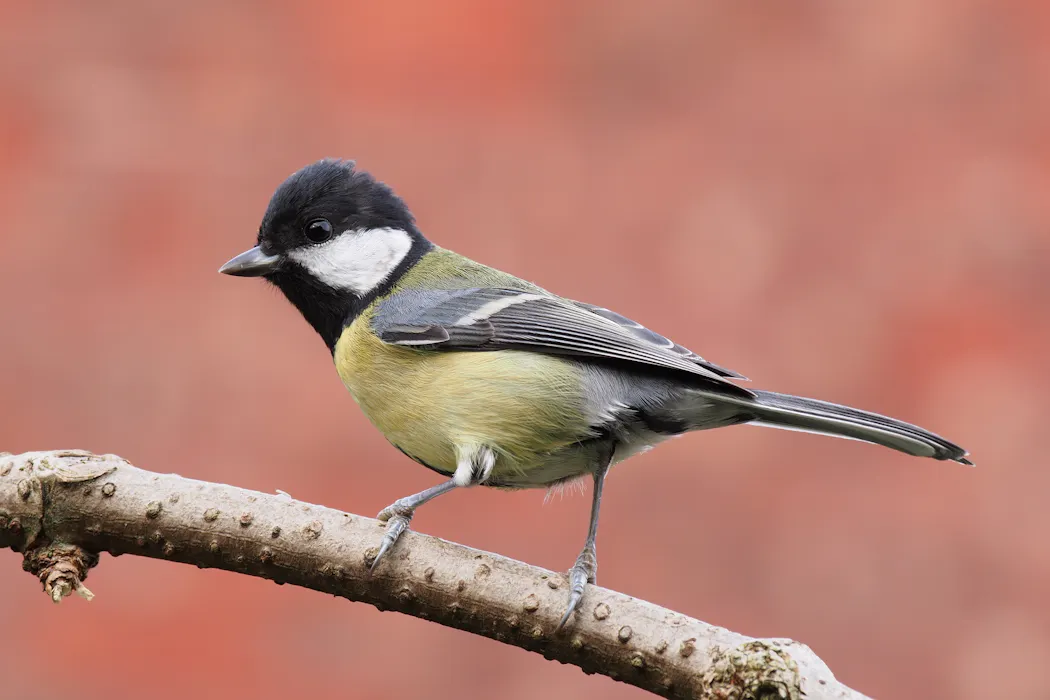
The sounds of cars, airplanes, boats and industrial activities in urban areas produce a steady roar that impacts birds, such as this great tit. (Wikimedia Commons), CC BY-SA

When Rachel Carson wrote the environmental classic Silent Spring in 1962, she warned that unchecked human impacts might create a silent future.

Forty years later, biologists uncovered a striking effect of noise pollution on songbirds. They found that low-pitched traffic noise in European cities forced birds to sing at higher pitches. Songbirds in a noisy park beneath the Eiffel Tower sang at a pitch of 400 Hz higher than those in quiet forests outside Paris.

Sign up to read this article
Read news from 100's of titles, curated specifically for you.
Already a member? Sign in here
Related Stories
Top stories on inkl right now
One subscription that gives you access to news from hundreds of sites
Already a member? Sign in here
Our Picks
Fourteen days free
Download the app
One app. One membership.
100+ trusted global sources.