
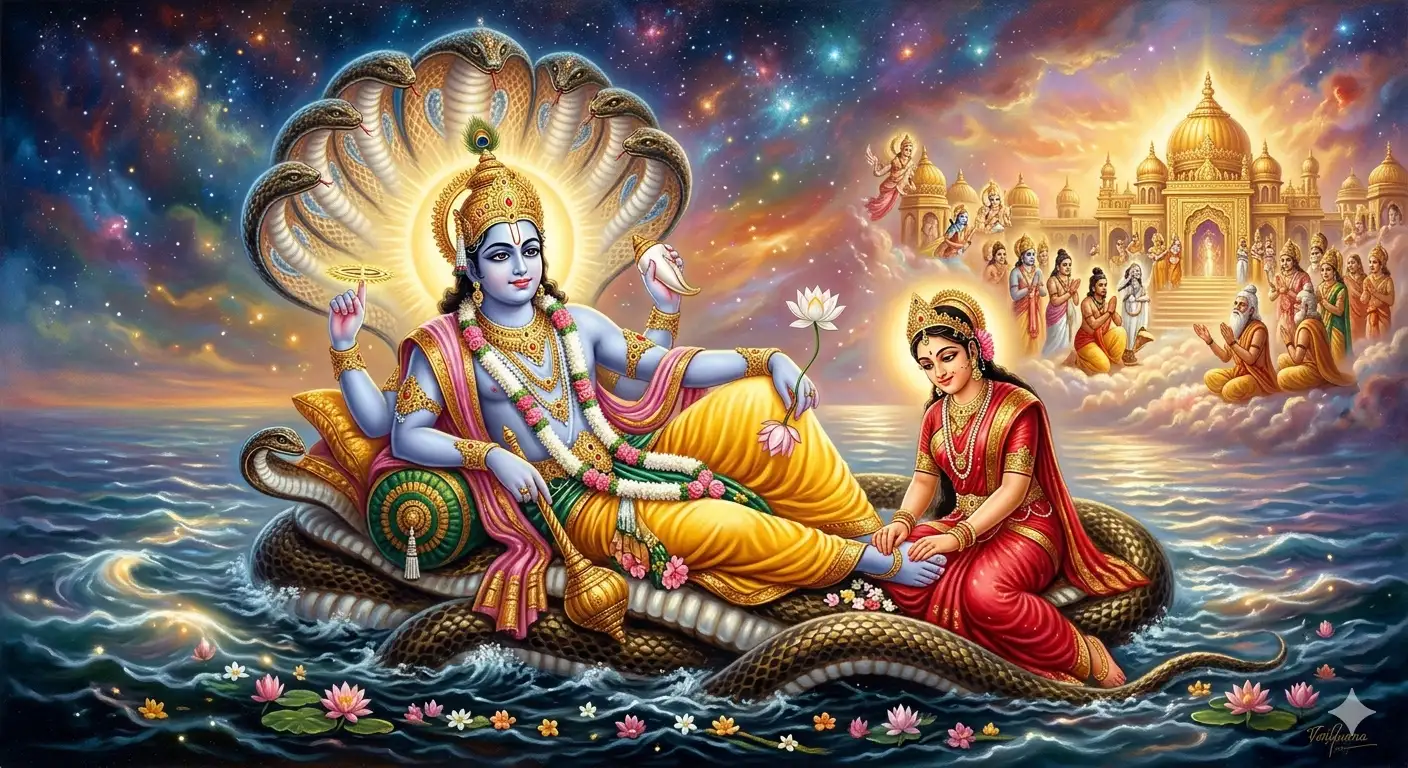
Parama Ekadashi is considered one of the most sacred Ekadashis dedicated to Lord Vishnu. Observed during Adhik Maas (Purushottam Maas), this vrat is believed to help devotees seek divine blessings, overcome hardships, and progress on the spiritual path.
In 2026, Parama Ekadashi falls today, Thursday, June 11. Devotees across India will observe a day-long fast, perform Vishnu puja, chant mantras, and listen to the Parama Ekadashi Vrat Katha. According to Hindu beliefs, this rare Ekadashi comes only during Adhik Maas and is regarded as especially powerful for attaining prosperity, peace, and spiritual merit.

Parama Ekadashi Vrat Katha
The most popular Parama Ekadashi story revolves around a poor Brahmin named Sumedha and his virtuous wife Pavitra. Despite living a righteous life, the couple struggled with extreme poverty and often lacked enough food and basic necessities. Pavitra, however, remained devoted to her husband and never complained about their difficult circumstances.
One day, Sage Kaundilya arrived at their home. The couple welcomed him with great respect and hospitality despite their limited means. Moved by their devotion and humility, the sage advised them to observe the Parama Ekadashi fast during Adhik Maas.
ALSO READ: Monsoon weather updates
Following his guidance, Sumedha and Pavitra observed the vrat with complete faith and dedication. According to the legend, Lord Vishnu was pleased with their devotion and blessed them with prosperity, happiness, and relief from their hardships. The story is often narrated during the vrat to highlight the importance of faith, patience, and devotion even during difficult times.
Parama Ekadashi 2026 Date and Time
Parama Ekadashi Vrat: June 11, 2026 (Thursday)
Ekadashi Tithi Begins: 12:57 AM on June 11
Ekadashi Tithi Ends: 10:36 PM on June 11
Parana (fast-breaking) Time: 5:23 AM to 8:10 AM on June 12
Dwadashi Ends: 7:36 PM on June 12
Why Is Parama Ekadashi So Special?
Parama Ekadashi occurs during Purushottam Maas, also known as Adhik Maas, which appears roughly every three years in the Hindu calendar. Scriptures describe this period as highly auspicious for worship, charity, meditation, and self-discipline.
Devotees believe that observing this vrat with sincerity helps remove past karmic burdens, brings mental peace, improves financial stability, and strengthens devotion to Lord Vishnu.
Parama Ekadashi Puja Vidhi
Devotees generally follow these steps while observing the vrat:
1. Wake Up During Brahma Muhurat
Begin the day with an early morning bath and wear clean clothes.
2. Take a Sankalp
Make a solemn vow to observe the fast and worship Lord Vishnu with devotion.
3. Prepare the Puja Area
Clean the worship space and place an idol or image of Lord Vishnu on a wooden platform.
4. Offer Puja
Offer:
Tulsi leaves
Panchamrit
Fruits
Flowers
Incense and lamp
Light a ghee diya and seek Lord Vishnu's blessings.
5. Chant Vishnu Mantras
Spend time chanting Vishnu mantras, reading sacred texts, and meditating.
6. Listen to the Vrat Katha
Reading or listening to the Parama Ekadashi Katha is considered an important part of the observance.
7. Perform Evening Aarti
Offer prayers again in the evening and participate in bhajans or devotional activities.
8. Break the Fast on Dwadashi
The vrat should be concluded during the prescribed Parana time on June 12.
Vishnu Mantras to Chant on Parama Ekadashi
Devotees may recite the following mantras:
Om Namo Bhagavate Vasudevaya
Achyutam Keshavam Krishna Damodaram Ram Narayanam Janaki Vallabham
Ram Ram Rameti Rame Raame Manorame Sahasranama Tatulyam Ram Naam Varanane
Hare Krishna Hare Krishna Krishna Krishna Hare Hare, Hare Rama Hare Rama Rama Rama Hare Hare
What Can Be Consumed During the Fast?
Many devotees observe a fruit-and-milk fast and avoid grains. Depending on personal tradition and health, people may consume:
Fruits
Milk
Dry fruits
Water
Fasting-approved foods
The vrat is traditionally broken on Dwadashi during the prescribed Parana period.
Spiritual Significance of Parama Ekadashi
Parama Ekadashi is regarded as a day for self-purification, devotion, and spiritual growth. Hindu scriptures associate this vrat with:
Removal of negative karma
Increased spiritual awareness
Mental discipline and self-control
Blessings of Lord Vishnu
Prosperity and well-being
Progress toward moksha (liberation)







