Get all your news in one place.
100's of premium titles.
One app.
Start reading
The Economic Times
The Economic Times

Paper signed, but what must happen before Wales, Scotland and Northern Ireland can leave the UK?

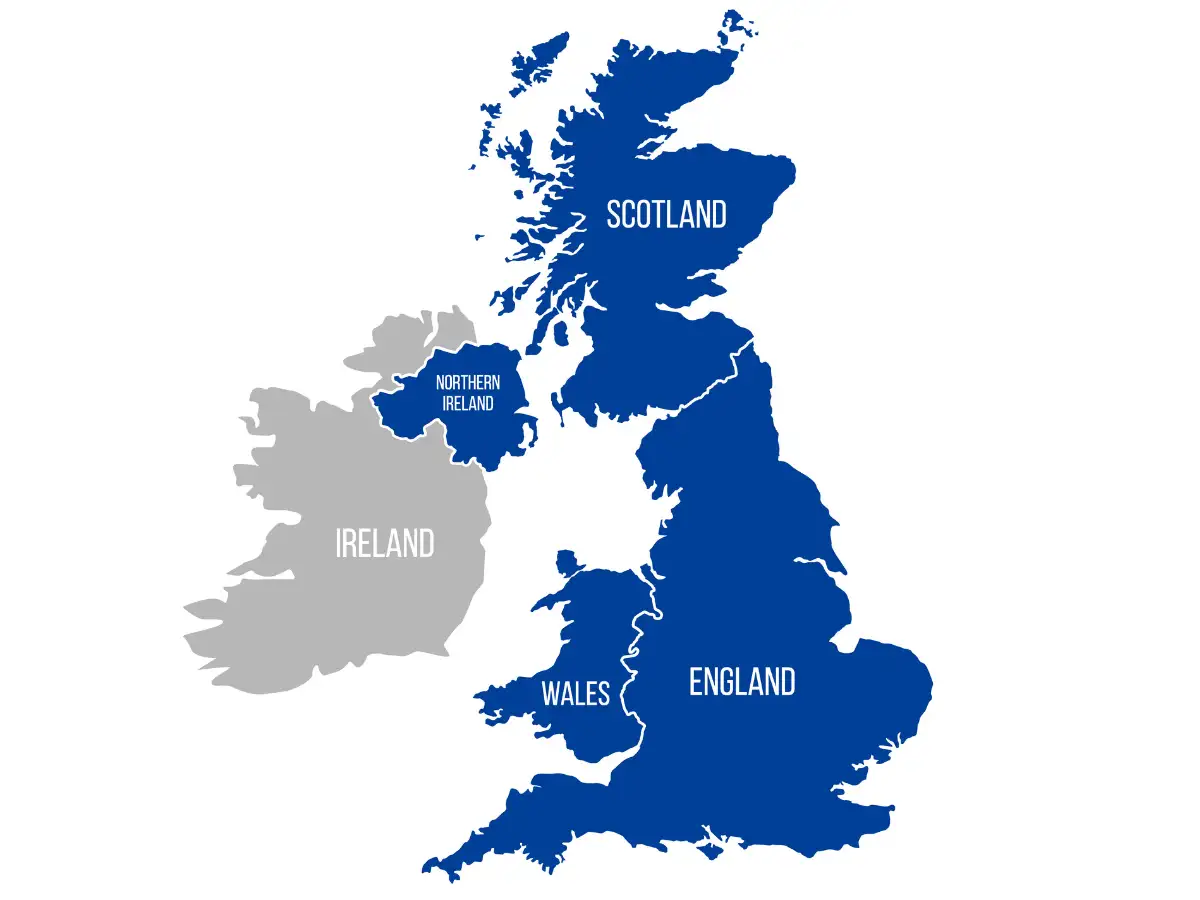
The leaders of Wales, Scotland and Northern Ireland have signed a memorandum of understanding calling for constitutional change and warning that Westminster’s authority is weakening.

But the document does not begin the breakup of the United Kingdom. It is a political agreement, not a legal instrument. It does not call a referendum, change borders or give any of the three nations the power to declare independence.

Also Read| UK's unity threatened by pact between Wales, Scotland, Northern Ireland

So what would have to happen before any of them could officially leave?

Scotland: Westminster must first approve a vote

Scotland cannot legally hold a binding independence referendum on its own. The UK Supreme Court has ruled that the union between Scotland and England is a matter reserved for Westminster.

The process would broadly involve:

  1. The Scottish Government builds a clear political mandate for a referendum.
  2. The UK Government agrees to the vote, usually through legislation or a legal order.
  3. Scotland holds the referendum.
  4. If voters choose independence, Edinburgh and Westminster negotiate the terms of separation.
  5. The UK Parliament passes legislation giving legal effect to Scottish independence.

Those negotiations would have to address issues such as public debt, government assets, borders, citizenship, currency, defence and international agreements.

Scotland held an authorised referendum in 2014, when voters rejected independence by 55% to 45%.

Wales: No automatic path to independence

Wales has no separate legal mechanism that allows it to leave the UK unilaterally.

Its leader, Rhun ap Iorwerth, joined the pact but did not announce a timetable for an independence vote. A Welsh independence process would require political agreement with Westminster, authorisation for a referendum and legislation from the UK Parliament.

If Wales voted for independence, the two governments would then have to negotiate the terms of separation before Westminster passed legislation recognising the new constitutional arrangement.

Northern Ireland: A border poll is already provided for

Northern Ireland has a different legal route under the 1998 Good Friday Agreement.

The UK Secretary of State must call a border poll if it appears likely that a majority in Northern Ireland would vote to leave the UK and join a united Ireland.

The steps would be:

  1. The UK Secretary of State decides that a majority for reunification appears likely.
  2. A border poll is held in Northern Ireland.
  3. Voters choose whether Northern Ireland should remain in the UK or become part of a united Ireland.
  4. The Republic of Ireland holds its own referendum.
  5. The UK and Irish governments implement the result and negotiate the transition.

The UK government says the conditions for calling such a poll have not yet been met.

What does the MOU actually change?

The memorandum gives the three leaders a common political platform. It could help them coordinate their demands and put greater pressure on Prime Minister Andy Burnham’s government.

However, it has no legal significance. Trump’s support for a reunified Ireland also has no power to trigger a referendum or alter the UK’s borders.

The immediate effect is political: the leaders have threatened constitutional change. The legal process would still require referendums, negotiations and approval through legislation. UK Parliament remains sovereign over the legal changes needed to dismantle the union.

Sign up to read this article
Read news from 100's of titles, curated specifically for you.
Already a member? Sign in here
Related Stories
Top stories on inkl right now
One subscription that gives you access to news from hundreds of sites
Already a member? Sign in here
Our Picks
Fourteen days free
Download the app
One app. One membership.
100+ trusted global sources.