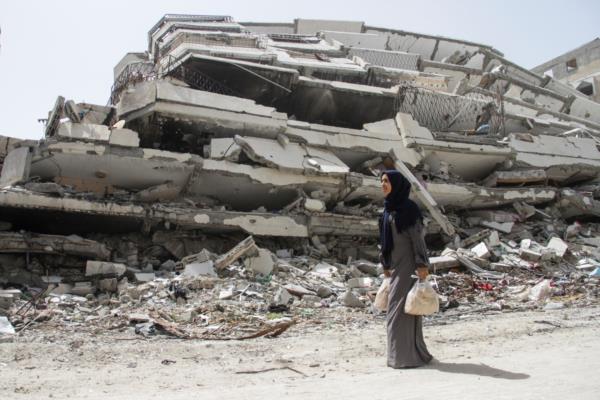
Roba Abu Jibba, a 19-year-old Palestinian woman, faced devastating news when she learned she couldn't undergo the operation she desperately needed. Her journey began when she lost her right eye and part of her face in an Israeli strike in Gaza, which also claimed the lives of three brothers and two sisters. Left alone for days amidst the tragedy, she eventually reached a hospital with no medical staff to treat her.
An investigation revealed that the Israeli Defense Forces conducted a strike in the area without warning, leading to civilian casualties. Abu Jibba, reflecting on the incident, expressed blame towards both Israeli forces and Palestinian militants for the loss of her family.
Despite her physical and emotional trauma, Abu Jibba found solace in a friend named Mohammed, who provided support and comfort during her darkest times. Tragically, Mohammed lost his life in another violent incident, leaving Abu Jibba with profound grief.
Seeking medical treatment in Qatar, Abu Jibba hoped for a prosthetic eye to restore her appearance and confidence. However, she was informed that such treatment was not available in Qatar, leaving her shattered once again.
Ocular prosthetic implants, a common and effective solution for cases like Abu Jibba's, offer significant physical and psychological benefits to patients. Despite the doctor's explanation that her issue was deemed 'cosmetic,' research indicates the importance of such prosthetics in enhancing overall well-being.
Struggling to cope with the news, Abu Jibba's emotional turmoil was evident as she grappled with the reality of her situation. Her desire to shield her mother from further pain highlights her selfless nature amidst personal suffering.
In her vulnerable state, Abu Jibba expressed a longing to return to Gaza, emphasizing the value of being with loved ones even in times of conflict. Her resilience and unwavering hope for peace reflect the strength of her spirit amid unimaginable adversity.