Get all your news in one place.
100's of premium titles.
One app.
Start reading
The Conversation
The Conversation
Priyanka Naik, Ph.D. Candidate in Structural Biology, Purdue University

‘Pac-Man with a ponytail’ proteins regulate everything from night vision to heartbeats – studying what GRKs look like could improve an array of drugs

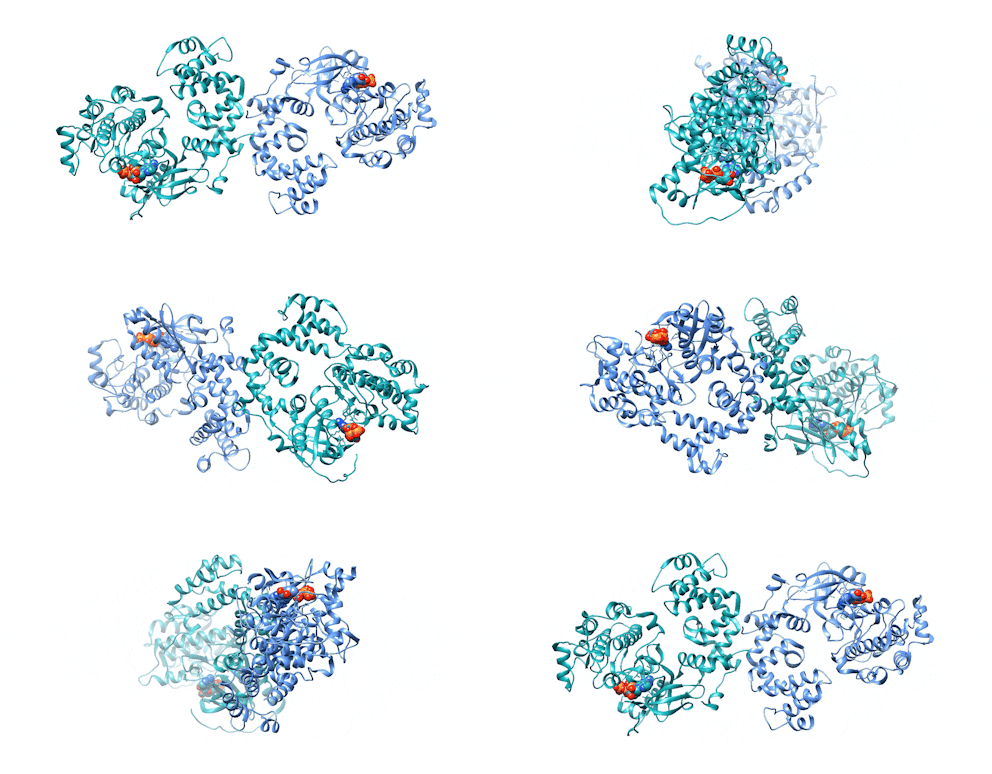
Rhodopsin kinase – GRK1 – is a GRK found in the retina of your eyes. Priyanka Naik, CC BY-ND

Each cell in your body relies on precise communication with other cells to function properly. At the center of this process are the molecular switches that turn communication signals in the body on and off. These molecules are key players in health and disease. One such molecular switch is G protein-coupled receptor kinases, or GRKs for short.

From vision to heart function and cell growth, GRKs play a vital role in maintaining physiological balance. When they go awry, they can contribute to cardiovascular disease, inflammatory illnesses like rheumatoid arthritis and multiple sclerosis, neurodegenerative diseases like Alzheimer’s, and multiple types of cancer.

Sign up to read this article
Read news from 100's of titles, curated specifically for you.
Already a member? Sign in here
Related Stories
Top stories on inkl right now
One subscription that gives you access to news from hundreds of sites
Already a member? Sign in here
Our Picks
Fourteen days free
Download the app
One app. One membership.
100+ trusted global sources.