
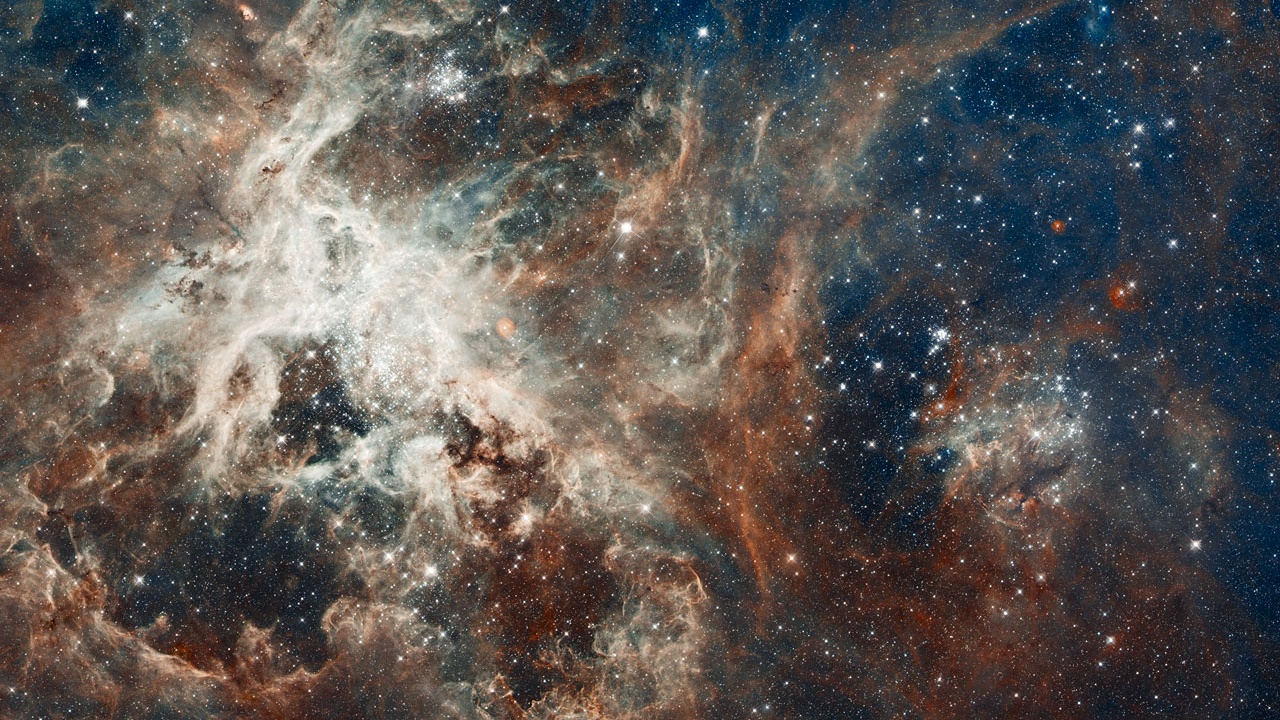
Some of the biggest, most intense regions of star formation are found in the smallest of galaxies, and scientists believe this is because stars reaching the ends of their lives in the so-called dwarf galaxies are more likely to turn into black holes than explode in supernovas. The contrast is large enough, the team says, that dwarf galaxies experience a 10-million-year delay in blowing all their star-forming material away, a process usually dependent on the forces of supernovas.
In other words, dwarf galaxies are able to hang onto their precious trove of star-forming molecular gas for longer, allowing star-forming regions to grow in size and intensity, and produce more stars.














