
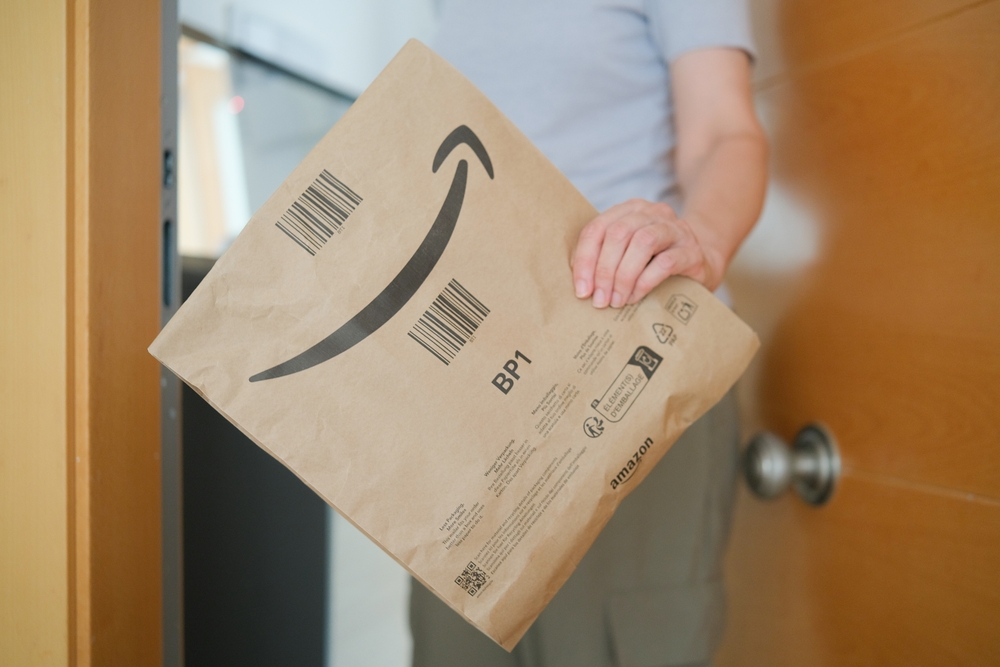
Ordering seeds online feels wonderfully simple. A few taps, a colorful photograph of an enormous flower, and suddenly the garden has a new botanical adventure on the way. The trouble starts when that photograph shows a plant that cannot actually exist, or when the packet contains seeds that have little connection to the variety advertised.
Fake seed listings have circulated on major online marketplaces for years, and newer scams use increasingly convincing digitally generated images to sell fantasy flowers, strange fruit, and supposedly rare varieties. Recent reports have highlighted listings featuring bizarre blooms and wildly unrealistic colors, while USDA guidance continues to warn gardeners about improperly labeled or foreign seeds that can create both gardening headaches and plant-health concerns.