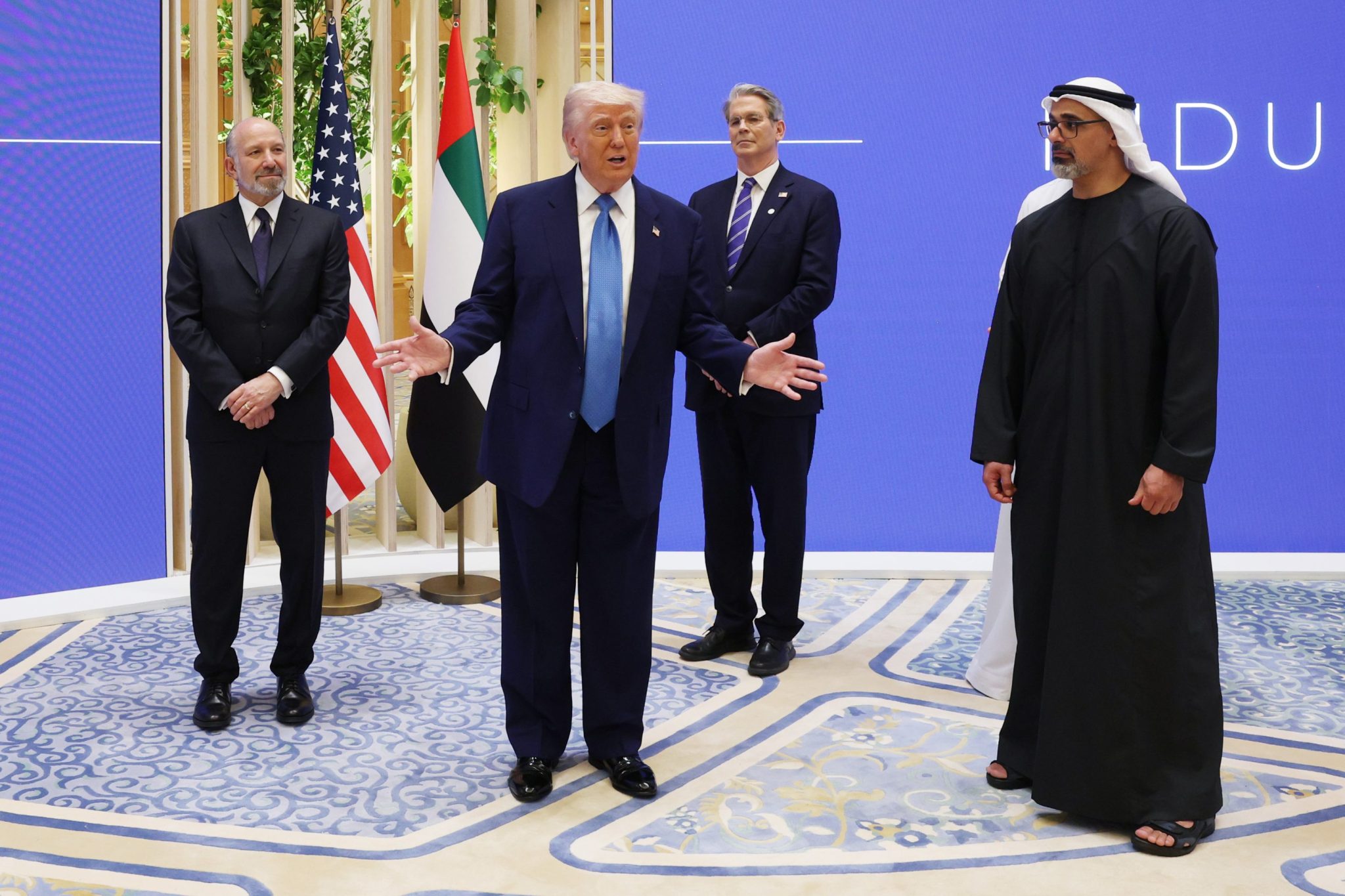
The United Arab Emirates stunned the already reeling global energy markets Tuesday by announcing it is quitting both OPEC and OPEC+, dealing a heavy blow to the oil exporters’ cartel and its de facto leader, Saudi Arabia—and doing so just days after Treasury Secretary Scott Bessent publicly backed an emergency dollar swap line for Abu Dhabi before the U.S. Senate.
OPEC has absorbed departures before—Qatar left at the beginning of 2019, but Qatar produces almost entirely natural gas rather than oil, so its exit didn’t meaningfully alter the group’s clout. Angola left two years ago, citing production quota disputes, but Angola’s output was modest enough that markets barely flinched. The UAE is categorically different. Along with Iran, the UAE is OPEC’s most significant producer after Saudi Arabia and Iraq—and critically, the Saudis and the UAE had been growing increasingly at odds even before the current war, with disputes over production baselines, regional politics, and strategic direction that stretch back years. The loss of the UAE is the single biggest defection in OPEC’s history.