Get all your news in one place.
100's of premium titles.
One app.
Start reading
The Conversation
The Conversation
John (Eddie) La Marca, Senior Research Officer, Blood Cells and Blood Cancer, WEHI (Walter and Eliza Hall Institute of Medical Research)

One in eight cancers are likely caused by an infection worldwide – new study

DBenitostock/Getty

Around 12% of the world’s total cancer cases in 2024 were likely caused by an infection, according to new research from the World Health Organization (WHO).

The study, published today in The Lancet Oncology, analysed the frequency and causes of different cancers, specifically examining the role of infections.

It linked 2.3 million new cancer cases to an infection. Most were caused by just five pathogens: Helicobacter pylori (4%), human papillomavirus, or HPV (4%), hepatitis B (2%), Epstein-Barr virus (1%) and hepatitis C (under 1%). These infections can cause more than 20 different types of cancer, including stomach, liver, blood and cervical cancers.

So, how can an infection cause cancer? And does this mean these cancers are preventable?

Did we already know about this link?

Some of the study authors have been researching this field for around thirty years. Their previous work investigated cancer cases caused by infections in 1990, 2002, 2008, 2012, and 2018.

The proportion of cancer cases caused by infections may appear to have dropped during those years (from a high of 18% in 2002), but the authors stress these comparisons cannot really be made confidently, as the sources and quality of the data have changed over time.

In fact, the latest study wasn’t trying to compare between the years. Instead, it aims to highlight where controlling and preventing infections can help to reduce cancer rates.

To make sense of this, it helps to know how infection is linked to cancer. Extensive research has dissected the molecular mechanisms behind this link, and we now know there are various ways infections can cause cancer.

How can a virus cause cancer?

A virus can (directly or indirectly) change the genes of the cell it infects (the host cell), making that cell more likely to grow out of control and eventually become a cancer.

There are three main ways viruses can do this.

The first is by turning off the ability of a cell to destroy itself (for example, by inactivating the TP53 protein) or to stop dividing (for example, by inactivating the RB protein). A healthy cell would normally try to do these things if infected by a virus.

The second way a virus can cause cancer is by inserting its own DNA into the host cell’s DNA, which can accidentally disrupt genes that control cell death or division (like those above).

The third way is when the virus itself carries a gene that causes cancer (an oncogene). In many cases, the virus has picked up these by accident from another organism.

The link between viruses and cancer is actually foundational to modern cancer science, and has helped scientists uncover the direct link between genetics and cancer we now take for granted.


Read more: What is a ‘cancer gene’? How genetic mutations lead to cancer


What about bacteria and parasites?

It’s not just viruses that cause cancer. Infections from bacteria or parasites – such as Helicobacter pylori (best known for causing stomach ulcers), or Opisthorchis viverrini (a liver fluke, a type of parasitic worm) – can also lead to cancer.


Read more: A common stomach infection may be linked to bowel cancer – here’s what we know


However, these work more indirectly than viruses. Long-term (chronic) infection by these types of organisms can cause significant stress to different tissues.

Inflammation, normally a part of the body’s immune response, can then become overactive, damaging the tissues further.

These stresses can result in cancer-causing DNA damage in cells, or lead to mistakes during cell division as the body tries to rapidly produce new cells to repair tissue damage.

In both cases, the cells acquire genetic mutations that put them on the road towards becoming cancer.

Many cancers are preventable

Of course, there may be other mechanisms linking infections and cancer that we don’t know about but, overall, the connection between infections and cancer is indisputable.

Critically, what this tells us – and what this new study into the rates of cancers caused by infections reinforces – is that many cancers are preventable.

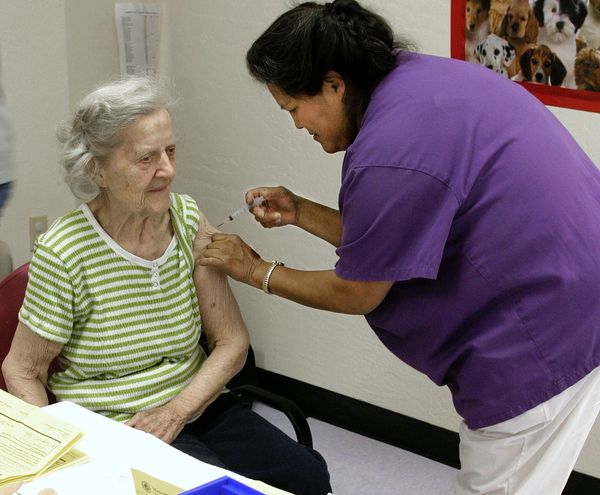
In Australia, one of the best examples of preventing cancers caused by infections is the human papillomavirus (HPV) vaccine.

This vaccine protects against certain strains of HPV strongly associated with cervical cancer, and is available to adolescents in Australia.

Since the program began in 2007, HPV infections dropped by 90% among people eligible to receive the vaccine.

Because of its success, Australia could be on track to eliminate cervical cancer by 2035.

However, vaccination rates among 15-year-olds have fallen from 85.7% in 2020 to 79.5% in 2024, which is concerning. As is the case for all vaccines, a high proportion of the population need to be vaccinated to also protect those who, for health reasons, cannot be vaccinated. For HPV, the WHO and Australian target is to vaccinate 90% of 15-year-old girls by 2030.

Sadly, the new study also highlights that around 75% of cancers caused by infections were found in low- and middle-income countries.

Treating infections that can lead to cancer – such as HIV, H. pylori, and hepatitis B and C – is one way to reduce cancer rates. Preventative measures also play a major role, including vaccinations, condoms and disease screening.

However, the availability of these programs in poorer countries can be limited, and so access continues to be a major equity issue in combating cancer.


The authors would like to acknowledge the contribution of Amali Cooray from the Olivia Newton-John Cancer Research Institute to this article.

This article was originally published on The Conversation. Read the original article.

Sign up to read this article
Read news from 100's of titles, curated specifically for you.
Already a member? Sign in here
Related Stories
Top stories on inkl right now
One subscription that gives you access to news from hundreds of sites
Already a member? Sign in here
Our Picks
Fourteen days free
Download the app
One app. One membership.
100+ trusted global sources.