
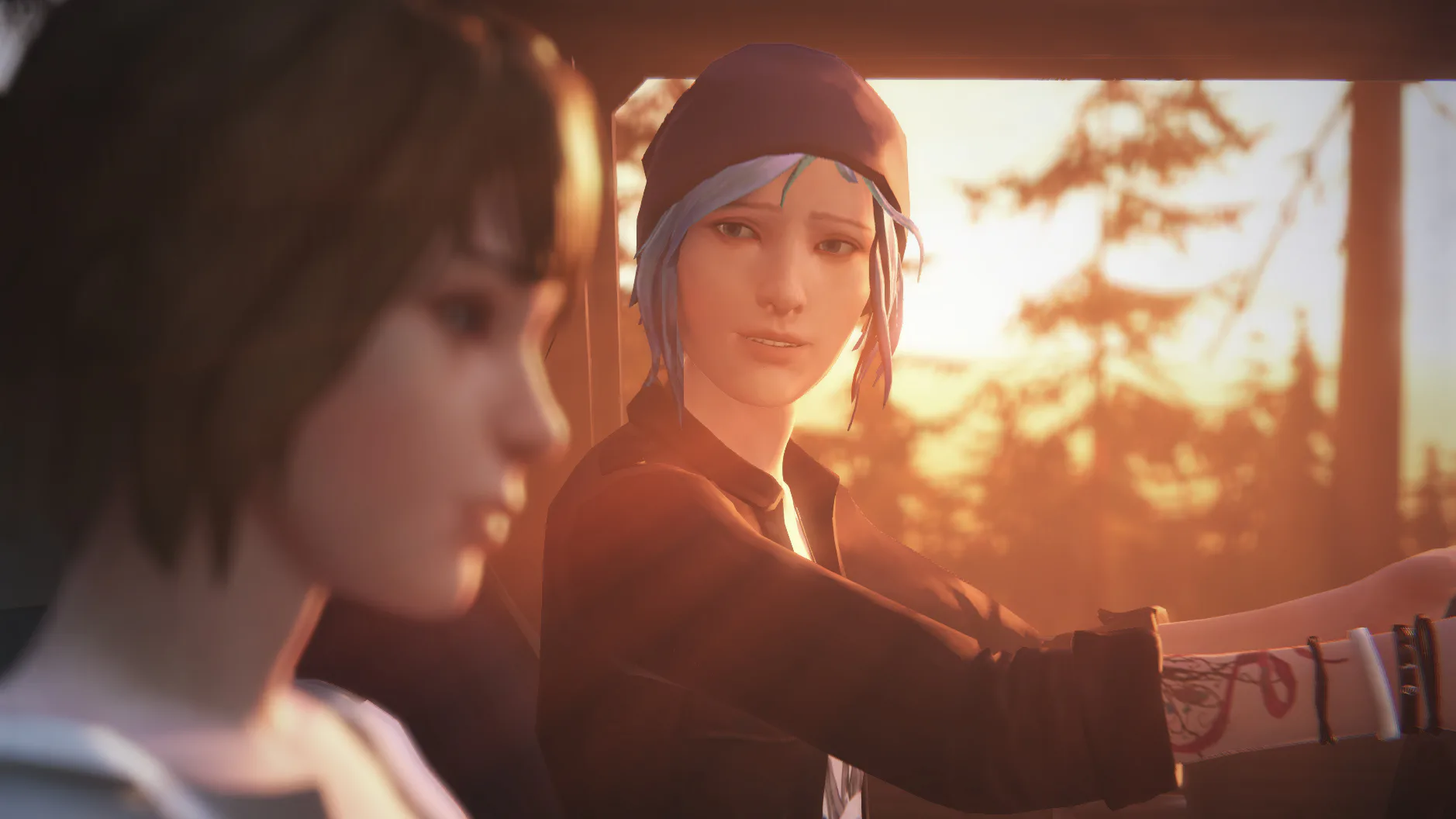
When the original Life is Strange dropped back in 2015, it felt like it was coming during a particular surge for the narrative adventure game. It arrived just a few years after the critical acclaim of Telltale’s The Walking Dead and The Wolf Among Us, as well as David Cage’s Heavy Rain and Beyond: Two Souls; all games that, despite their flaws, revived the interactive adventure as a viable alternative to traditional mechanics-heavy gaming. But what set Life is Strange apart from other games of the same nature is the earnestness and emotional complication of how it engages with young adulthood – despite being surrounded by time-travel and a serial murderer plotline, it’s still driven almost entirely by watching our main characters Max and Chloe navigate the cruelty and callousness of adolescence as well as their own feelings for each other.
Now that Amazon Prime has entered pre-production for their Life is Strange adaptation, it’ll be interesting to see how it fits in the larger legacy of coming-of-age stories on-screen. It’s important that the show doesn’t lose sight of how important teenage existential angst is, specifically the complex relationship between two young women navigating a friendship that eventually blooms into a tragic romance, because it’s another way that the game depicts the growing pains of becoming an adult. It’s lucky then that the recently hired director of the first two episodes, Karyn Kusama, has engaged with these themes in different ways across the breadth of her career.














