Get all your news in one place.
100’s of premium titles.
One app.
Start reading
Bored Panda
Bored Panda
Gabija Palšytė

One DNA Test Causes Major Family Chaos As Guy Realizes His Uncle Is His Dad

When you take an at-home DNA test, you have to be prepared to potentially find out some nasty family secrets. It might not happen often, but one study estimates that about 3% of direct-to-consumer DNA test users find out about misattributed parentage.

This son took a 23andMe test together with his father only for fun, but later wished he never had. He first posted online so that netizens would help him decipher what the results really meant. After they became clear, he confronted his family, but that was the beginning of the end, it seemed. What followed was his mother’s tears, a physical fight between two brothers, and his grandmother having a heart attack.
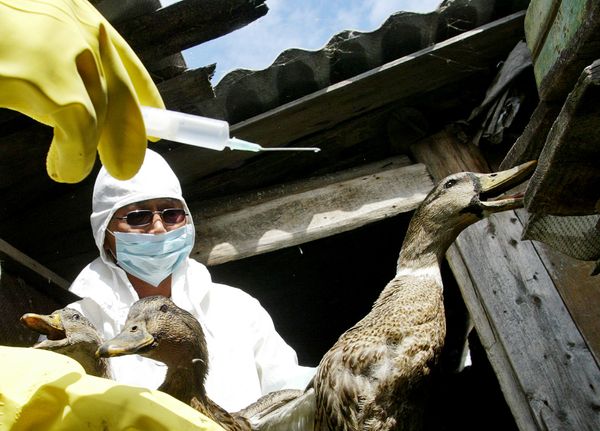
Taking an at-home DNA test can uncover some juicy family secrets

Image credits: freepik (not the actual photo)

It’s exactly what happened when this father-and-son duo took a 23andMe test

Image credits: freepik (not the actual photo)

Image credits: Help23andme

Even the results of a simple at-home DNA test kit are reliable

It’s not unusual to feel emotional turmoil after discovering new information in your at-home DNA test results. Research shows that people feel shock and a loss of genetic relatedness after learning about unexpected parentage. Others report anxiety about their identity and the need to confront family members. Some even have to construct a new identity and reconcile with their family history. For other people, trust in kinship may never be the same.

The reality is that taking any kind of DNA test opens you up to the risk of finding out unwanted family secrets. As Diahan Southard, founder of Your DNA Guide, explained to Bored Panda in the past, genealogy research has been exposing family secrets for years. “The addition of genetic testing has just accelerated that rate of discovery,” she explained.

For many people, the initial reaction is to doubt the authenticity and reliability of at-home DNA tests. However, Southard says that the chance of an error is almost zero. “DNA matching for close biological relationships is extremely accurate. It is not possible for a lab error to accidentally create a close family member for you.”

At the same time, it takes experience and expertise to interpret the numbers correctly. “For every genetic relationship (that is measured in those numbers of centimorgans you see on the website), there are multiple genealogy relationships,” Southard adds. “For example, someone sharing 1384 cMs could be your grandma, your aunt, your half-sibling, or your grandchild. They could even be your first cousin.”

People should consult a genealogy expert before jumping to conclusions and confronting family members

Image credits: Louis Reed / unsplash (not the actual photo)

Before posting to the r/TIFU subreddit, the son first posted in r/23andMe. He didn’t quite know how to interpret the test results and sought help online. “My dad and I got our results back and [we’re] only 29.2%,” he wrote. “Shouldn’t it be 50%? It says he’s predicted to be my half brother which is impossible.”

“My cousin had also tested with 23andme a while back and we share 24.6% which I think is high given we’re 1st cousins. 23andme predicts us to be half-siblings as well. My dad and I also share the same Y haplogroup and we look so much alike so he’s [definitely] my dad.”

“I’m really baffled at the moment. Is there any way the percentages are wrong? I can’t think of a genetic relationship that would explain what we’re seeing,” the teen added.

Stories like these are why Southard warns people to be cautious about making assumptions about relationships, family members, and family history. “We need to be careful about how we are interpreting the results before we start jumping to conclusions about who did what when and with whom.”

For people like the son in this story, Southard suggests considering two things:

  • You are still the same person you were before you found out this information. Your choices, relationships, experiences, and memories are just as much a part of your identity as your genetics, maybe even more so.
  • Wait to act. Before you confront anyone involved, get confirmation of your findings from a DNA expert. Talk to a trusted person not involved in the situation to help you process your own reactions and emotions.

“Sounds like your mom and uncle destroyed the family. Not you”: commenters offered their two cents

Others called out the son for delivering the discovery in such a dramatic way: “Like it or not, it’s your fault”

Image credits: freepik (not the actual photo)

After finding out the truth, the teen’s grandmother ended up in the hospital

Image credits: Help23andme

“23andMe, destroying families since 2006,” some commenters quipped

Sign up to read this article
Read news from 100’s of titles, curated specifically for you.
Already a member? Sign in here
Related Stories
Top stories on inkl right now
One subscription that gives you access to news from hundreds of sites
Already a member? Sign in here
Our Picks
Fourteen days free
Download the app
One app. One membership.
100+ trusted global sources.