
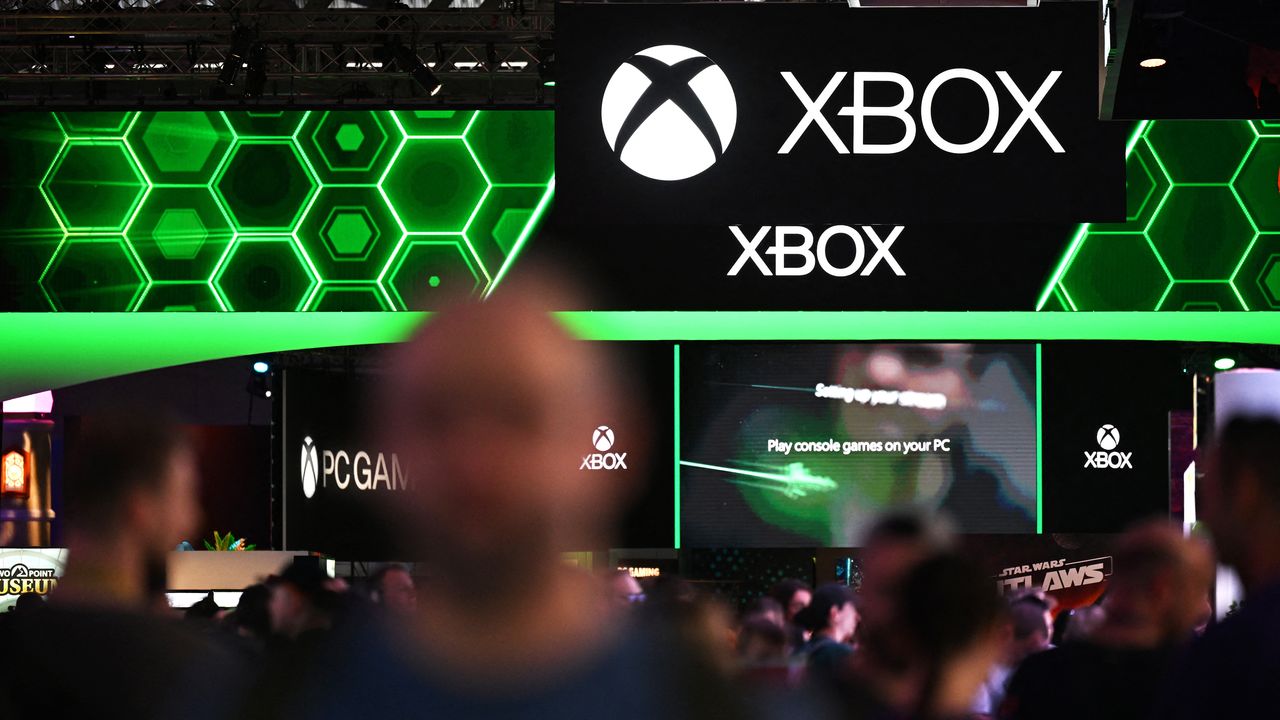
Back in August 2015, Microsoft was working to link console, PC, and mobile gaming into a single network. Coverage at the time framed this "games everywhere" approach as a major shift, with Windows, ironically, serving as the central hub to keep game libraries synced across devices. Phil Spencer was early in his tenure, working through the fallout of the Xbox One's rocky launch and its controversial DRM policies. Industry observers remained skeptical, and players questioned whether Microsoft could actually pull off cross-platform play and cloud integration.
Eleven years later, that initial push sits at the center of Xbox's modern business model. Under Asha Sharma, Microsoft Gaming has pulled back on its controversial "This is an Xbox campaign," trying to reprioritize the console, while deemphasizing Copilot AI. Indeed, there is a big list of things that need fixing. Oh, and apparently it's now XBOX.
The original questions around brand identity and hardware relevance haven't gone away, but their context has completely changed. Looking back at this 2015 report shows that the foundation for today's strategy was already being built, even if the execution took over a decade to solidify (if you can even call it that). — Daniel Rubino, Editor-in-Chief.
The original article below, "The future of Xbox is bright, and it's everywhere," was published on August 13th, 2015, by Richard Devine.