
Get all your news in one place.
100's of premium titles.
One app.
Start reading
The Times of India
The Times of India
World
TOI World Desk

Ohio planted nearly 7.2 million trees on more than 5,500 acres of abandoned mines; barren ground began turning back into forest

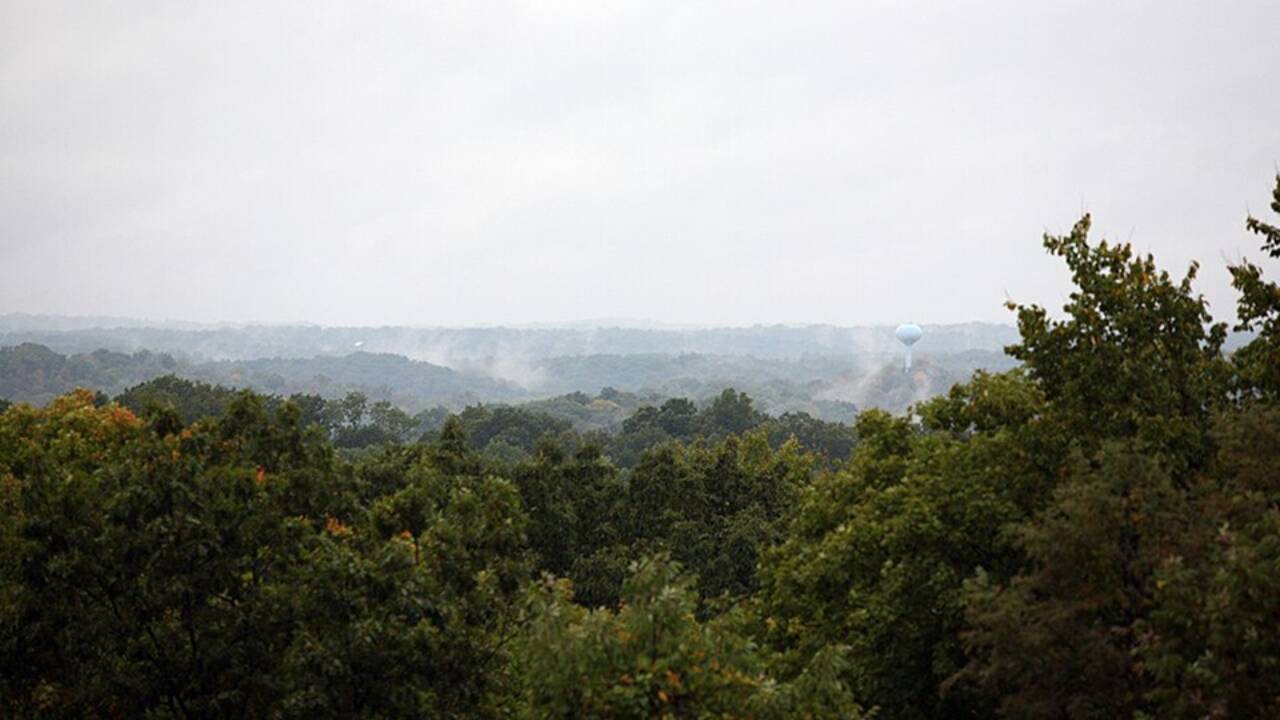
Across the hills of eastern and southeastern Ohio, thousands of acres that were once stripped by coal mining are now being transformed into thriving forests. What were once barren spoil piles and compacted soils on abandoned mine lands are currently home to millions of native trees because of one of the largest mine reforestation efforts in the United States. According to the Ohio Department of Natural Resources (ODNR), the state’s reforestation initiative has planted nearly 7.2 million trees across more than 5,500 acres of abandoned mine land, thus restoring habitats, improving water quality and helping the degraded landscapes recover. Notably, the programme highlights how ecological restoration can reverse decades of damage caused by surface mining while shaping healthier forests for future generations.

Get breaking news anytime, anywhere. Download the TOI app now!

Rebuilding forests in old coal mines

According to the Ohio Department of Natural Resources, most of the state’s abandoned mine land was left heavily compacted following reclamation practices that were common before the 1980s. Notably, dense soils prevented tree roots from penetrating the ground, thus leaving much reclaimed land covered in grass instead of forest. Therefore, to reverse this pattern, Ohio adopted the Forestry Reclamation Approach, which is a science-based method developed through the Appalachian Regional Reforestation Initiative (ARRI). The approach emphasised creating loose, uncompacted soil, using suitable rooting material and planting native trees like oaks, hickories, and maples, to enable forests to regenerate successfully.

According to ODNR, this programme has expanded steadily over the past three decades, with nearly 7.2 million seedlings being planted on those former abandoned mines, thus restoring thousands of acres that previously only supported a little vegetation. It is worth noting that these native forests provide far more than scenic landscapes, as they stabilise soils, reduce erosion, improve groundwater quality, store carbon and create habitats for different wildlife species like birds, insects and mammals. The ODNR has also noted that forested mine lands are better suited for long-term ecological reforms than grass-dominated reclamation, especially in regions that historically supported hardwood forests.

Science guides abandoned mine-land recovery

According to the U.S. Office of Surface Mining Reclamation and Enforcement , the Forestry Reclamation Approach was designed after studies showed that traditional grading practices often produced compacted soils incapable of supporting healthy forests. By minimising soil compaction and selecting appropriate native tree species, reclaimed mine lands can once again develop into productive hardwood forests similar to those that existed before coal mining. Additionally, these forests enhance biodiversity by providing food and shelter for wildlife while simultaneously increasing resilience to future climate challenges.

Notably, Ohio’s work is also supported through the Surface Mining Control and Reclamation Act and the state’s abandoned mine reclamation programme, which prioritise restoring the land and water resources that were damaged by mining. According to the Ohio Revised Code, reclamation funding supports projects that improve public safety while restoring forests, streams, wetlands and wildlife habitat on abandoned mine lands. Additionally, federal investments under the Infrastructure Investment and Jobs Act have further strengthened this by expanding funding for reclamation and ecological recovery across former coalfields.

While full forest recovery takes decades, Ohio’s reclaimed coalfields already demonstrate how ecological restoration can transform heavily damaged landscapes. According to ODNR, many restored sites now support diverse hardwood forests, watersheds and improved wildlife instead of barren land that was once present. Furthermore, conservationists view this initiative as evidence that science-based restoration can mitigate some of mining’s long-term environmental impacts.

Sign up to read this article
Read news from 100's of titles, curated specifically for you.
Already a member? Sign in here
Related Stories
Top stories on inkl right now
One subscription that gives you access to news from hundreds of sites
Already a member? Sign in here
Our Picks
Fourteen days free
Download the app
One app. One membership.
100+ trusted global sources.







