Get all your news in one place.
100's of premium titles.
One app.
Start reading
The Independent UK
The Independent UK
National
Audrey McAvoy

Officer improperly canceled visa of Harvard scholar charged with frog embryo smuggling, judge rules

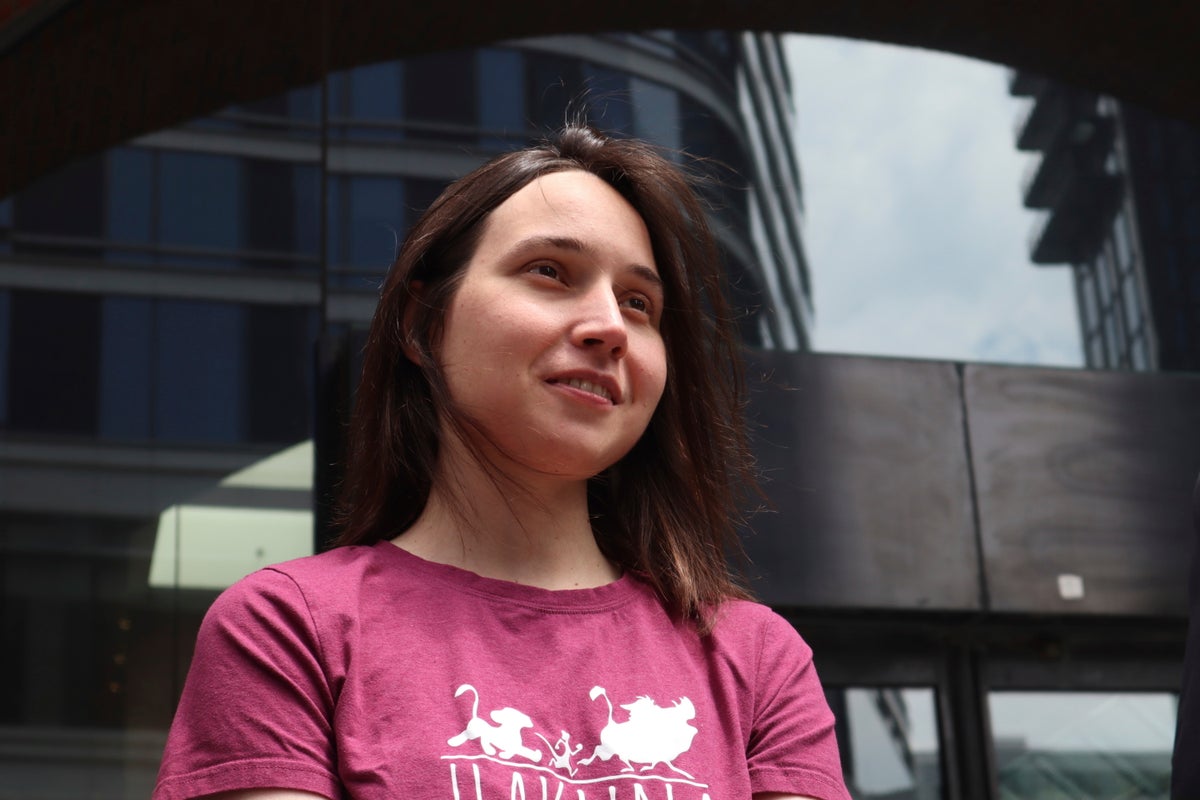
Frog Embryo Researcher - (Copyright 2026 The Associated Press. All rights reserved.)

A U.S. judge on Tuesday ruled that a customs officer improperly canceled the visa of a Russian-born scientist and Harvard University researcher charged with smuggling frog embryos in the U.S.

The opinion said Customs and Border Protection officers have limited authority to cancel visas and can't do so for suspected smuggling of biological samples. The cancellation of Kseniia Petrova 's visa was arbitrary and capricious, U.S. District Court Judge Christina Reiss said in her written ruling.
“The undisputed facts reveal that Ms. Petrova’s visa was impermissibly canceled because of the frog embryo samples and for no other reason,” Reiss wrote.

The U.S. Department of Homeland Security, which includes Customs and Border Protection, didn't immediately return an email message seeking comment.

In February last year, Petrova was returning from a vacation in France, where she had stopped at a lab specializing in splicing superfine sections of frog embryos and obtained a package of samples for research. She was questioned about the samples while passing through a customs checkpoint at Boston Logan International Airport.

After an interrogation, Petrova was told her visa was being canceled.

Petrova was briefly detained by immigration officials in Vermont, where she filed a petition seeking her release. She was later sent to a U.S. Immigration and Customs Enforcement facility in Louisiana.

She told The Associated Press in an interview last year that she did not realize the samples needed to be declared and was not trying to sneak anything into the country. Petrova has been back in her Harvard lab since January after successfully petitioning a court for the right to return to work, her attorney, Gregory Romanovsky, said.

Tuesday's ruling was an important step toward “correcting what should never have happened in the first place,” Romanovsky said in a statement.

Petrova’s case is being closely watched by the scientific community, with some fearing it could impact recruiting and retaining foreign scientists at U.S. universities.

Sign up to read this article
Read news from 100's of titles, curated specifically for you.
Already a member? Sign in here
Related Stories
Top stories on inkl right now
One subscription that gives you access to news from hundreds of sites
Already a member? Sign in here
Our Picks
Fourteen days free
Download the app
One app. One membership.
100+ trusted global sources.