Get all your news in one place.
100's of premium titles.
One app.
Start reading
Times Pets
Times Pets
Upasna Yadav

Obesity in Small Pets: Causes, Prevention and Diet Plans

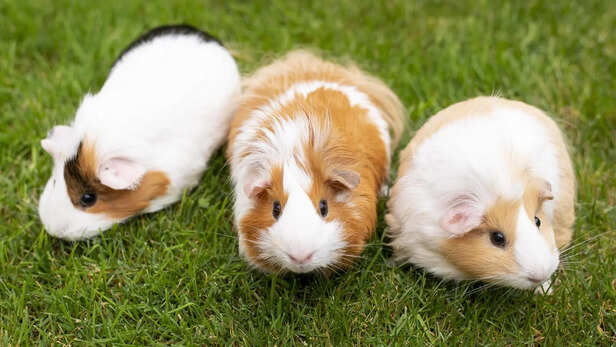
Importance of Exercise in Weight Management
<p>Daily physical activity and limited nutritional diet essential for maintaining a healthy weight in small pets.<em></em><span></span></p>

Small pets require carefully balanced diets and active lifestyles to stay healthy. Due to their size and unique metabolism, even a slight weight gain can significantly impact their overall health. Unfortunately, obesity often goes unnoticed until it begins affecting their behavior and physical condition. Understanding the root causes and taking proactive measures is essential for responsible pet care.

1. Causes of Obesity in Small Pets

Overfeeding and Excess Treats

One of the most common causes of obesity is overfeeding. Owners often provide extra portions or frequent treats, assuming it expresses care and affection.

Lack of Physical Activity

Small pets kept in confined spaces or without enrichment activities tend to become inactive, leading to weight gain.

Imbalanced Diet

Diets high in fats, sugars, or processed foods can quickly lead to obesity, especially when not balanced with fiber and essential nutrients.

Genetic Factors

Some pets may have a natural tendency to gain weight more easily due to their genetics.

Lack of Routine Monitoring

Failure to regularly monitor a pet’s weight and body condition can delay the detection of obesity.

2. Health Risks Associated with Obesity

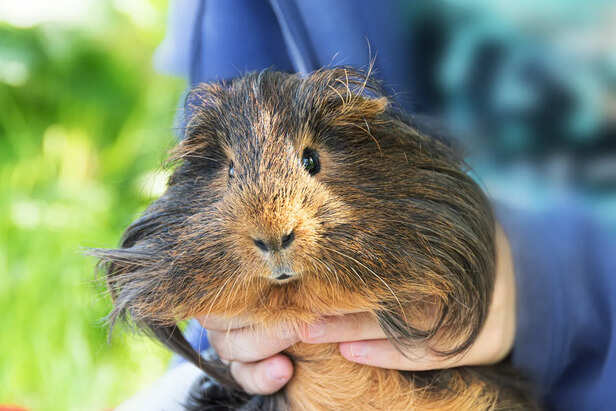
Healthy Diet for Small Pets: Preventing Obesity Naturally
<p>A balanced diet with fresh vegetables, controlled portions, and species-appropriate foods helps small pets maintain a healthy weight and prevents obesity-related issues.</p>
  • Reduced mobility and difficulty in movement
  • Increased risk of heart and respiratory diseases
  • Joint stress and arthritis
  • Digestive issue
  • Shortened lifespan
  • Poor grooming and hygiene due to limited flexibility

3. Prevention Tips From Pet Obesity

Preventing obesity in small pets such as rabbits, guinea pigs, hamsters, and ferrets requires a combination of proper diet management, regular physical activity, and consistent monitoring. Pet owners should focus on providing measured portions instead of free-feeding, ensuring that food intake matches the pet’s size, age, and species-specific needs. A balanced diet rich in fiber, essential nutrients, and low in fats and sugars is crucial, while treats should be limited and given only occasionally. Encouraging daily exercise through toys, tunnels, wheels, and supervised out-of-cage time helps maintain an active lifestyle and prevents weight gain. Additionally, maintaining a regular feeding schedule, ensuring access to fresh water, and observing changes in body shape or behavior can help detect early signs of weight gain. Routine check-ups and weight monitoring further support long-term health, making prevention far easier and safer than treating obesity after it develops.

4. Signs of Healthy Small Pets

Active Lifestyle: Key to Obesity Prevention in Small Pets
<p>Regular exercise through playtime, tunnels, wheels, and enrichment activities keeps small pets active, reduces fat accumulation, and supports overall fitness.</p>

A healthy diet in small exotic pets such as hamsters, guinea pigs, rabbits, and small birds is reflected through several clear physical and behavioral signs. These pets typically have a shiny, well-groomed coat or smooth feathers, bright and alert eyes, and consistent energy levels, indicating they are receiving proper nutrients from a balanced, plant-rich diet. Regular eating habits, steady body weight, and normal digestion seen in well-formed droppings are also strong indicators of good nutrition. Diets that include fresh leafy greens like spinach, kale, and coriander, along with safe vegetables, herbs, and limited fruits, provide essential vitamins, fiber, and hydration. Additionally, healthy teeth (especially in rodents and rabbits), minimal odor, and active, curious behavior suggest that the pet is benefiting from a well-planned plant-based diet tailored to its species.

Celebrate the bond with your pets, explore Health & Nutrition, discover Breeds, master Training Tips, Behavior Decoder, and set out on exciting Travel Tails with Times Pets!

Frequently asked questions(FAQs)

  1. How can I tell if my small pet is overweight?

    You can identify obesity by observing your pet’s body shape and behavior. If you cannot feel their ribs easily, notice a lack of a defined waist, or see reduced activity levels, your pet may be overweight. Other signs include difficulty moving, grooming issues, and lethargy. Regular weighing and comparing with standard weight ranges for the species can help confirm obesity.

  2. Can I put my pet on a diet suddenly ?

    ?No, sudden dietary changes can be harmful, especially for small pets with sensitive digestive systems. Gradual adjustments in food portions and types are recommended. Rapid weight loss can cause stress and health complications. Always introduce dietary changes slowly and consult a veterinarian if needed.

  3. Are treats completely bad for small pets?

    Treats are not entirely bad but should be given in moderation. Healthy treats like small portions of fruits or vegetables can be beneficial, but excessive treats especially sugary or fatty ones—can lead to weight gain. Treats should not make up more than a small percentage of the daily diet..

Sign up to read this article
Read news from 100's of titles, curated specifically for you.
Already a member? Sign in here
Related Stories
Top stories on inkl right now
Our Picks
Fourteen days free
Download the app
One app. One membership.
100+ trusted global sources.