
Get all your news in one place.
100's of premium titles.
One app.
Start reading
The Conversation
The Conversation
Dylan A Mordaunt, Research Fellow, Faculty of Education, Health, and Psychological Sciences, Te Herenga Waka — Victoria University of Wellington; Flinders University; The University of Melbourne

NZ’s new medicines fast-track promises quicker approvals. But what about access?

Christoph Soeder/Getty Images

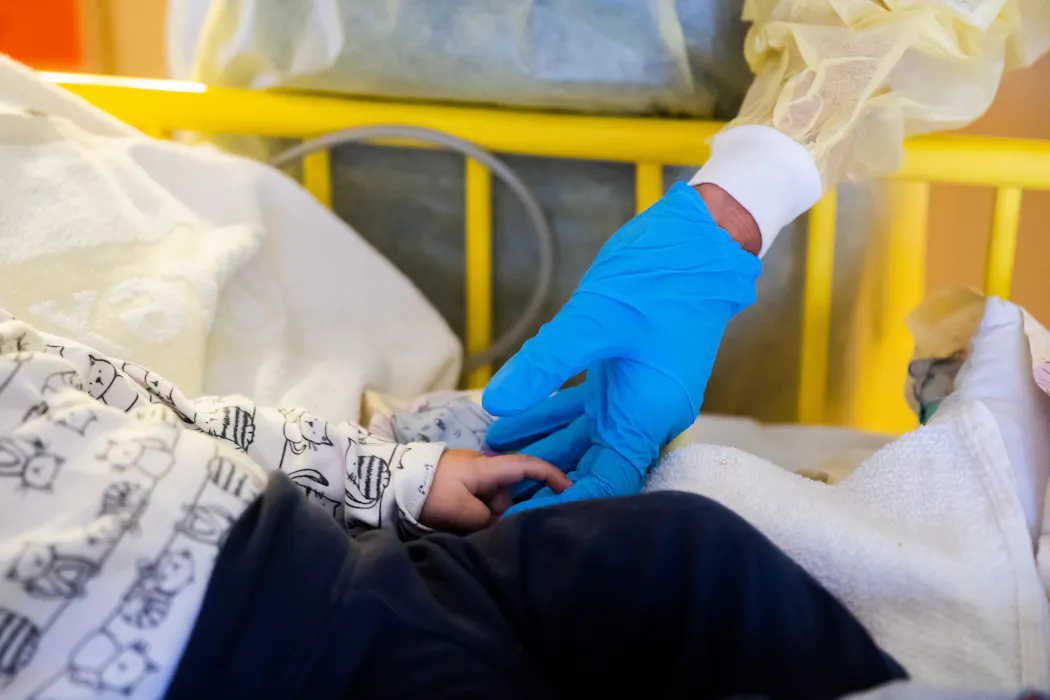
A surge in severe respiratory illness has been placing New Zealand’s hospitals under intense pressure over recent weeks. While influenza has been the main driver, rhinovirus and respiratory syncytial virus (RSV) have also contributed to the unusually high patient load.

Babies and young children carry a disproportionate share of RSV disease. In a typical year, around 1,800 to 2,000 children under five are hospitalised with RSV, about half of them infants. Māori and Pacific infants, along with children living in deprived or crowded households, are disproportionately affected.

Sign up to read this article
Read news from 100's of titles, curated specifically for you.
Already a member? Sign in here
Related Stories
Top stories on inkl right now
One subscription that gives you access to news from hundreds of sites
Already a member? Sign in here
Our Picks
Fourteen days free
Download the app
One app. One membership.
100+ trusted global sources.







