
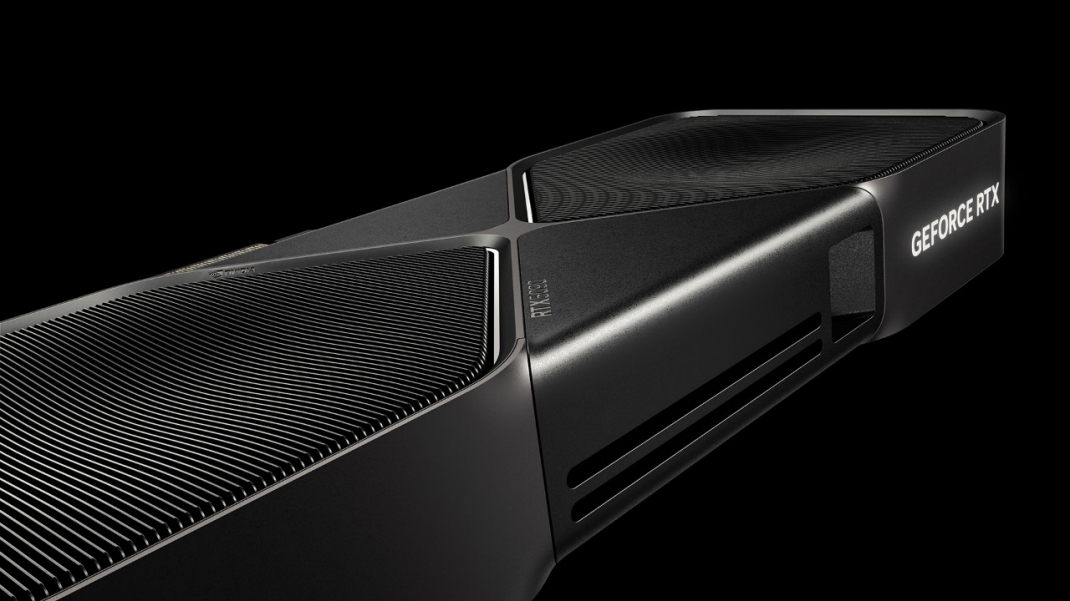
After Nvidia pulled the plug on 32-bit CUDA support with CUDA 12.0 (and later), technologies built around this platform such as PhysX subsequently reached End Of Life. A new report from PassMark at X suggests that dropping legacy CUDA support extends its impact to older OpenCL code, written for 32-bit systems. This explains the lackluster performance in PassMark's Direct Compute benchmark, part of which contains 32-bit chunks of code; likely older libraries or modules.
Nvidia hasn't flipped the switch all of a sudden with one update. Legacy CUDA support has been gradually phased out through successive updates over the past few years. Notably, programs written with 32-bit CUDA in mind can still be run on RTX 40 or older hardware. On newer RTX 50 GPUs, older CUDA applications now fallback to the CPU, which is abysmally slower than the graphics card for parallel processing, as seen with PhysX. We suspect this is mostly a software limitation, and may be overcome by 32-bit to 64-bit translation layers, but don't expect anything official from Nvidia.