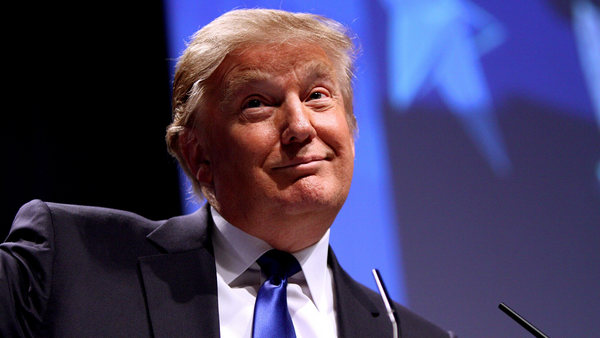
During the National Prayer Breakfast on Feb. 5, 2026, Paula White-Cain, senior adviser to the White House Office of Faith, introduced President Donald Trump as “the greatest champion of faith that we have ever had in the executive branch.” Taking the podium after her, Trump declared, “I’ve done more for religion than any other president.”
Should an earthly leader be promoting a heavenly cause? Some of the Americans who say “yes” – by no means all – are likely sympathetic to the ideas and values of Christian nationalism. A blanket term, Christian nationalism ranges in meaning. Some citizens might see themselves as Christian nationalists simply because they are Christian and patriotic. Others, however, assert that the United States is rightfully a Christian nation that ought to be governed by Christian leaders, ethics and laws.