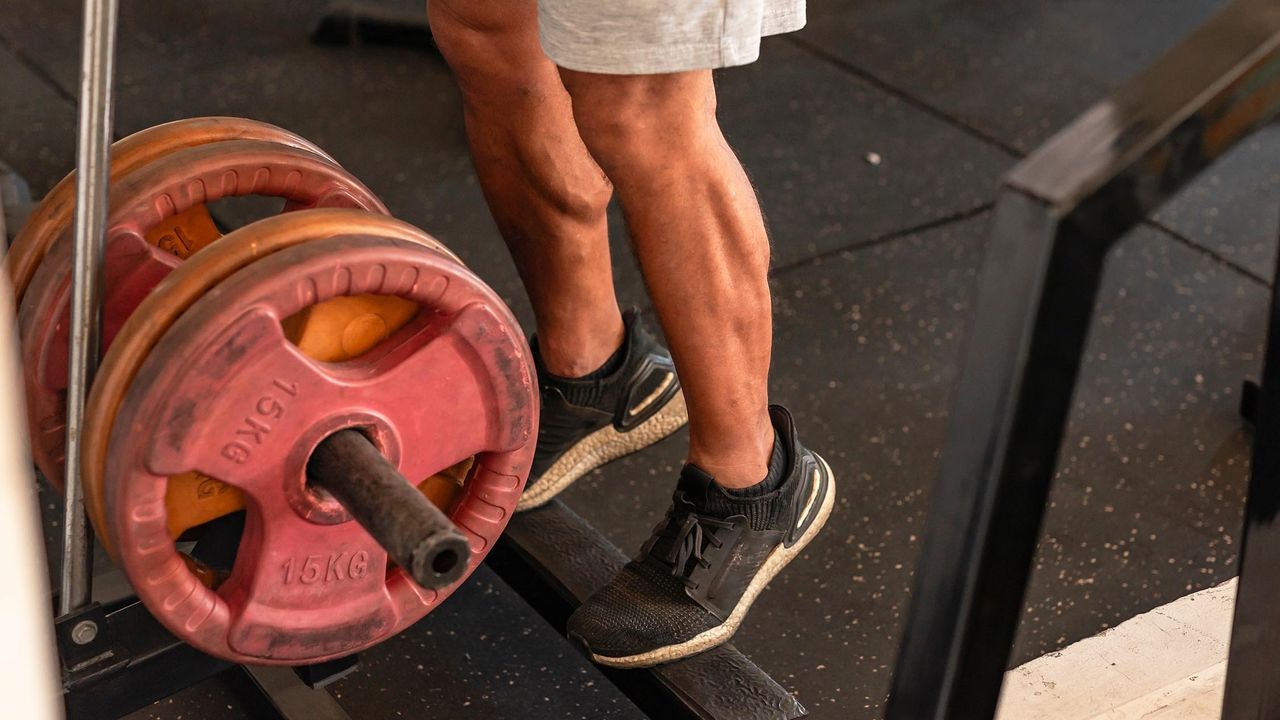
Did you know your calf muscles help protect your heart? It turns out, they do more than help you stay balanced and stable.
Until recently, and even as a personal trainer, I didn’t know that your calf muscles are often referred to as the “second heart.” But according to science, they can help protect your heart and aid circulation, making them pretty vital muscles to have.
While the heart pumps oxygenated blood around the body, the calves work as a pump to help push deoxygenated blood upward against gravity. Aided by one-way valves, which prevent backflow, they help reduce the strain on your heart while keeping your blood moving.
Here’s everything you need to know, and why it might be time to strengthen your calves.
Are calf muscles related to the heart?
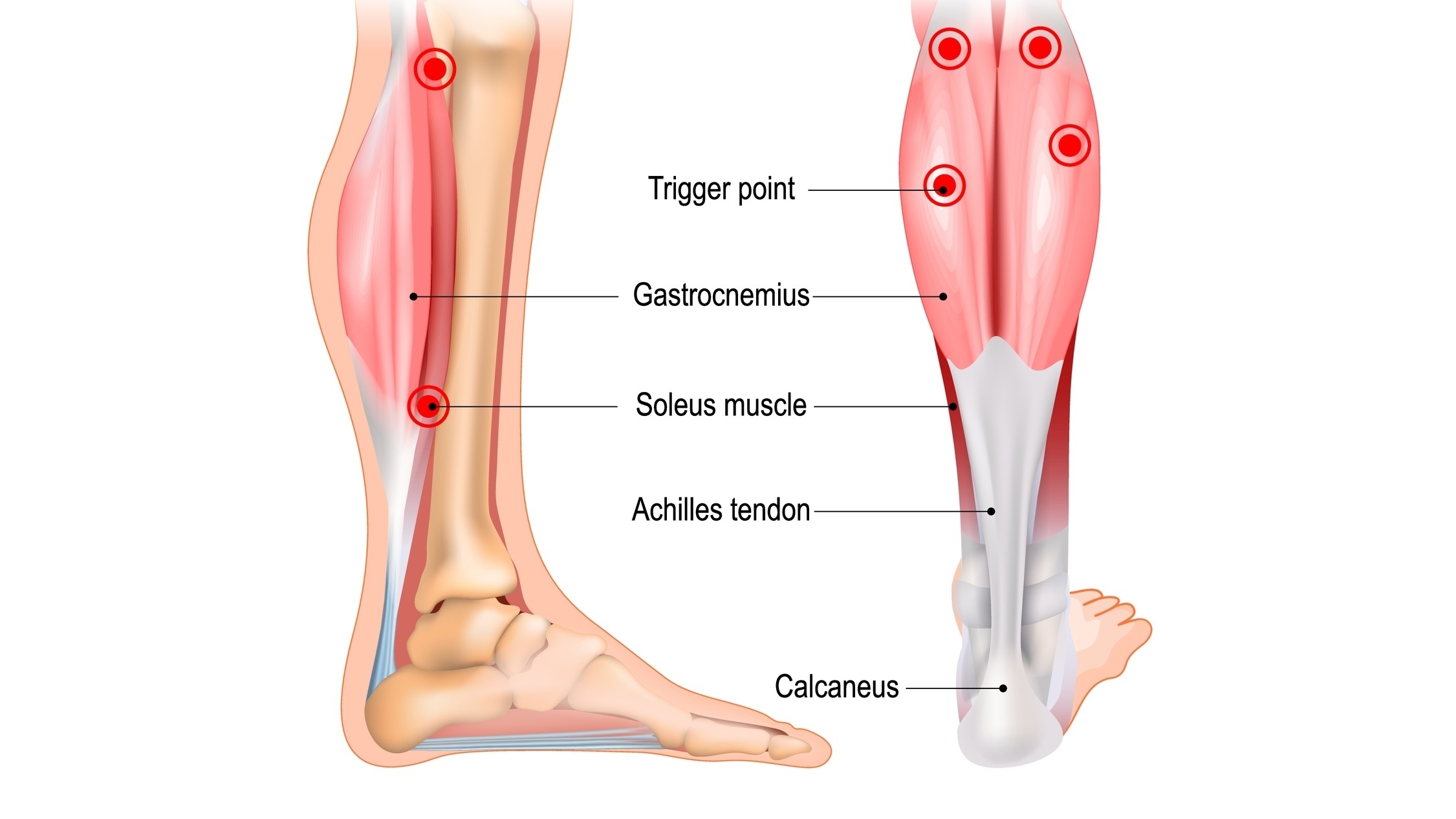
Strangely enough, yes, it is true, your calf muscles (collectively, the soleus and gastrocnemius) are referred to as a secondary heart. Located at the back of your lower legs, these muscles help pump blood up back toward the heart, while the heart pumps rich oxygenated blood around the body, including to the legs, through the arteries.
It’s the job of your veins to help carry oxygen-lacking blood back to the heart, but given that the blood must travel up the body, your calves act as a secondary pump to help the process along, squeezing the veins with contractions.
Of course, the best way to improve circulation is to be active, so exercising regularly also helps the process, including walking, running, cycling and swimming. Elevating your legs at times can also be useful, especially after prolonged sitting. Every time your calf muscles contract, this aids blood flow around the body; the more stationary your legs, the harder it is for this to happen.
Incredibly, one study published in the Journal of Biomechanics found that people with chronic heart failure had smaller calf muscles (namely, the powerful soleus muscle that helps us to walk and stand) than people deemed healthy with functional hearts.
In short, your calves reduce strain on your heart, supporting overall cardiovascular health and reducing issues like swelling or blood pooling, which is pretty darn cool, in my opinion.
How to strengthen your 'second heart'
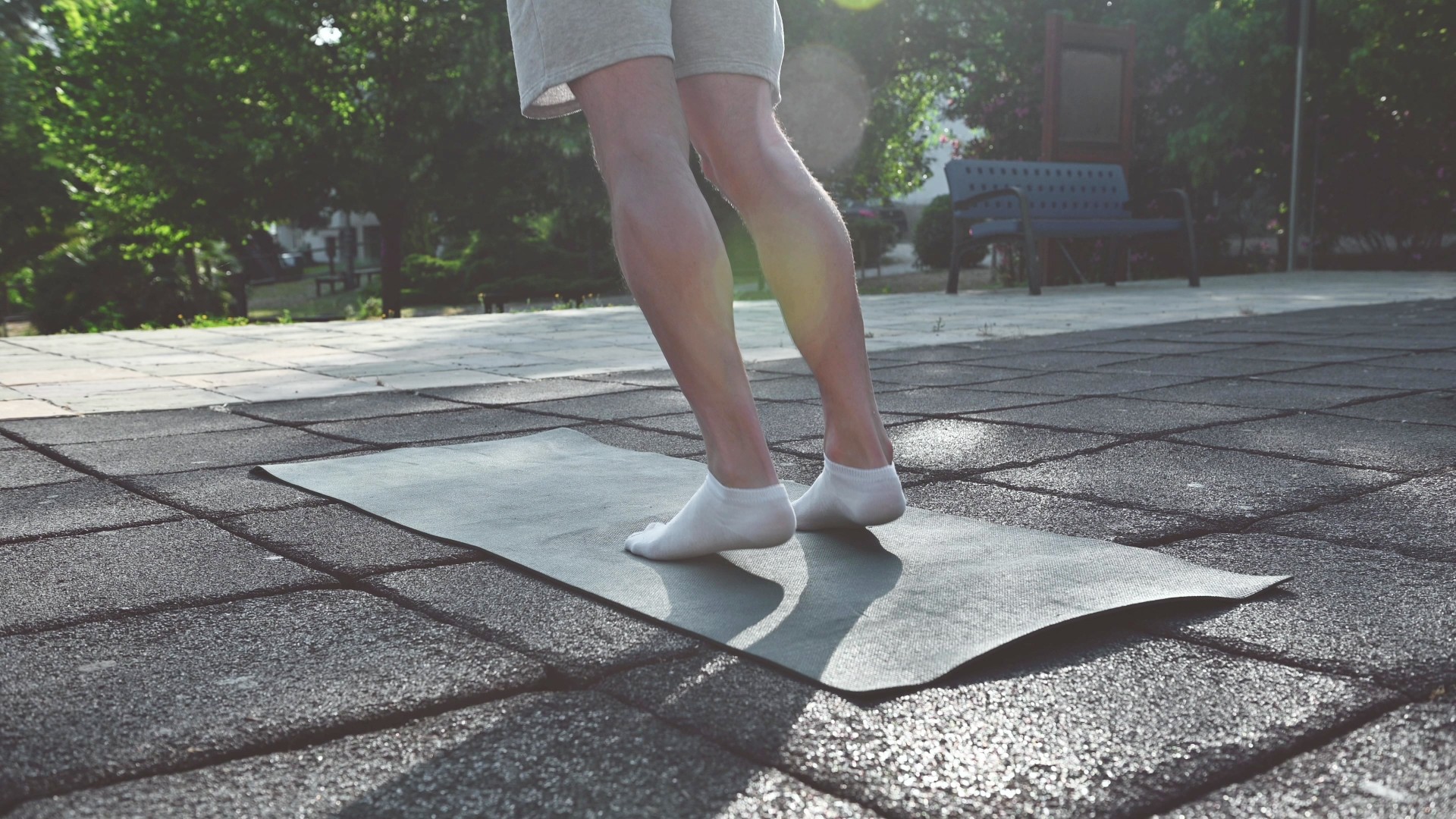
Keeping your calf muscles strong and active assists the heart in circulating blood around the body rather than “pooling” in the legs, which can lead to swelling and conditions such as deep vein thrombosis (DVT). That also means keeping your ankles strong, which can be done by staying active with activities such as running, swimming, walking, or cycling.
Resistance training is also important, and this can be done using weights or bodyweight. I recommend learning how to do calf raises, as well as trying some ankle mobility exercises and lower-body stretches that help lengthen and activate the calf muscles.
A colleague of mine also reported on “stability stacking” exercises recently, which improve balance and circulation at any age.

Follow Tom's Guide on Google News and add us as a preferred source to get our up-to-date news, analysis, and reviews in your feeds.