A humble bead of sweat can be telling, exposing first-date nerves, an unexpected run for the bus or Christmas shopping panic.
But it has the power to reveal much more.
Testing sweat can detect key biomarkers linked to stress, diabetes and other health conditions, and researchers say wearable sensors could soon turn perspiration into a powerful, real-time diagnostic tool.
A team at the University of Technology Sydney is studying how next-generation patches, combined with artificial-intelligence analysis, could continuously collect and analyse sweat to track changes in the body throughout the day.
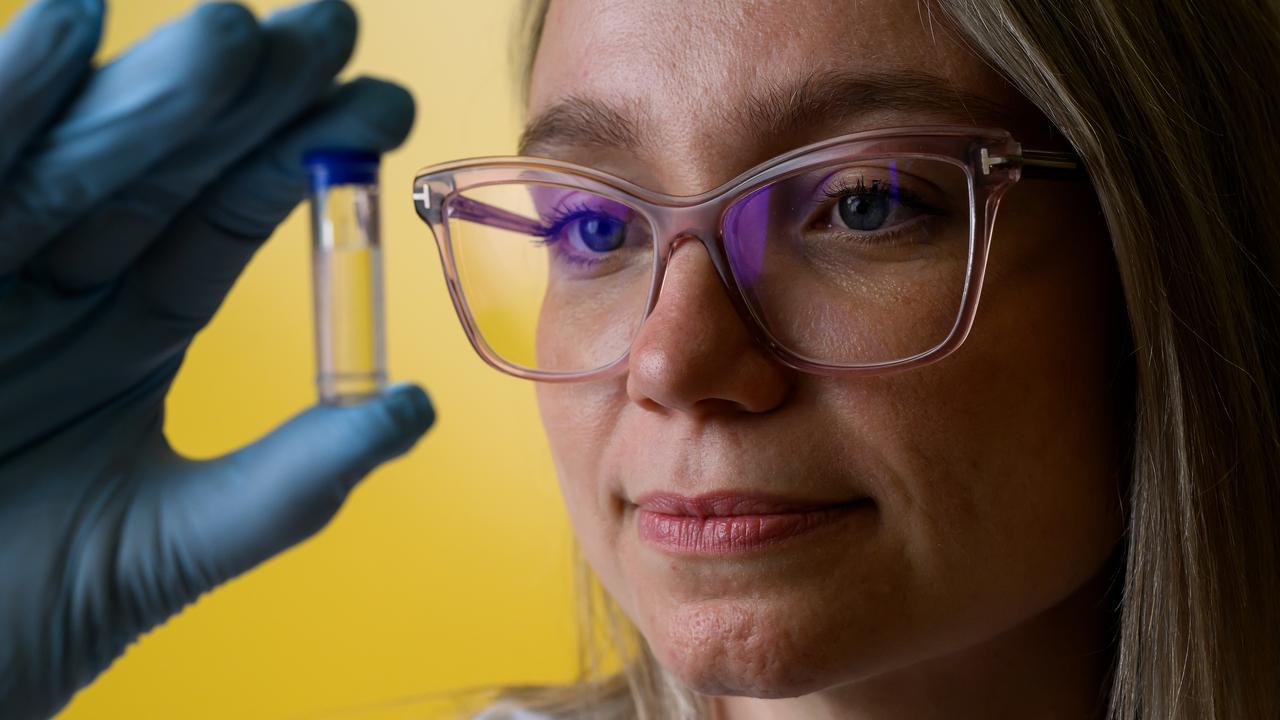
Analytical chemist Dayanne Bordin said sweat had long been used in fields such as drug monitoring, but advances in microfluidics and electronics were rapidly expanding what it could reveal.
"It's a matrix that has been around for quite some time actually," Dr Bordin told AAP, referring to a biological fluid or material that can be analysed in the laboratory to detect substances of interest.
But a commercial rollout of patches is still some way off.
Further still will be incorporating the technology into pre-existing, wearable health monitors, although that possibility is also in the researchers' sights.
A study, recently published by the UTS team and their international collaborators, highlighted the ability to identify biomarkers of clinical significance as being one of the key challenges to the successful rollout of the innovation.
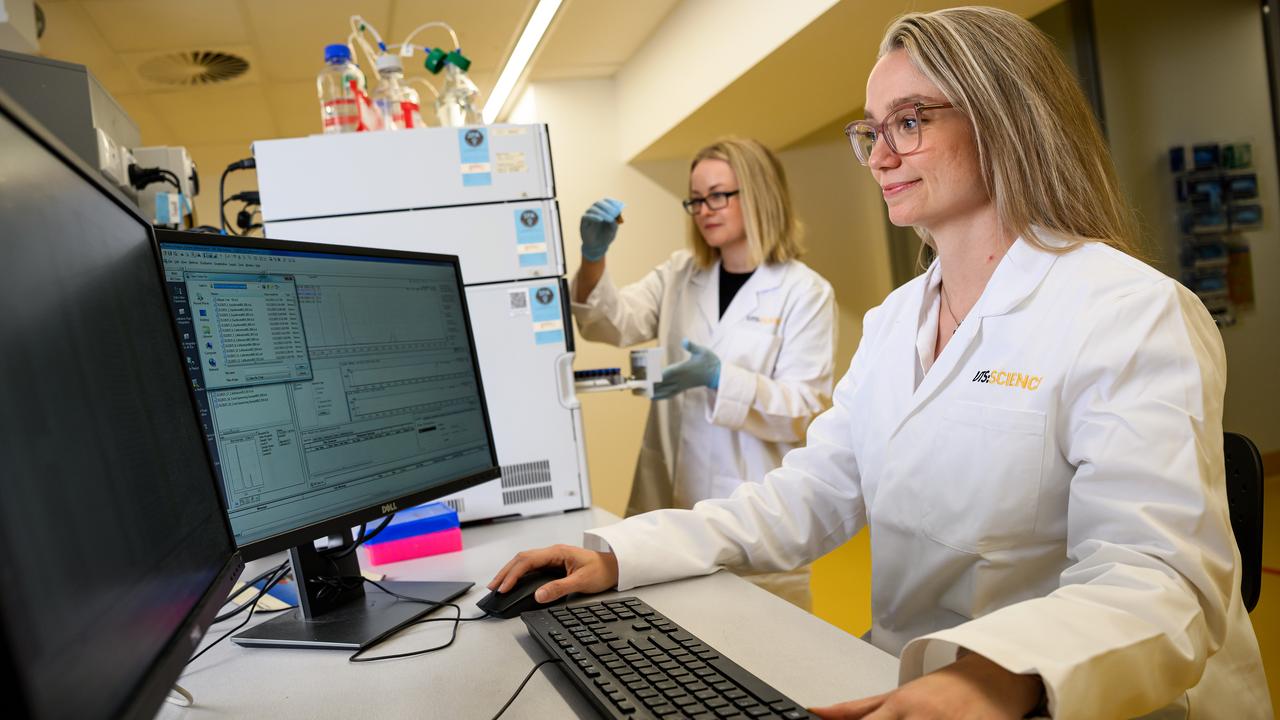
Before sweat can be used widely for health monitoring, researchers need a better understanding of how people perspire and what different bodies release.
Gender, age and physical fitness all influence sweat rates.
"So there are a few factors that need to be explored in order to be able to use the sweat for health monitoring," Dr Bordin said.
Before wearable patches emerged, samples were collected using simple absorbent pads that collected the sweat but that water couldn't penetrate.
With modern sensors, sweat could instead be channelled through tiny circuits that detect biomarkers such as levels of glucose or the stress hormone cortisol.

"There is a technological opportunity and also we know there are a lot of biomarkers that can be released into the sweat," Dr Bordin said.
The fast-developing field of AI is expected to play a central role in interpreting the streams of data produced.
"AI can help you compile a compilation to better understand what's happening on your health in the long-term," Dr Bordin said.
Real-time glucose monitoring for diabetes and non-invasive tracking of stress levels are among the most promising applications.