IN her first public appearance since her ex-husband Peter Murrell was convicted on Monday of embezzling £400,000 of SNP funds, former first minister Nicola Sturgeon said she had been "deceived, misled, lied to and betrayed".
“In the last few years, I’ve had some tough weeks but this one I think surpasses all of them,” she said. “You have to come to terms with the fact that you spent many years – I spent many years – many, many years married to somebody that, as it turns out, I obviously didn’t know at all.
“It’s a really painful truth to process and I’m only in the very early stages of processing it. And then to be in a position of such public turmoil myself makes that even harder. This is not a private thing – it would be hard enough if it was a private thing, but it’s very public.”
Sturgeon rejected suggestions that she had failed to answer questions during police interviews, insisting that she had cooperated fully with the investigation and had no case to answer.
“I’ve been subject to a lengthy, two-year-long, very forensic police investigation and at the end of it I was completely exonerated, totally cleared,” she told the rapt audience at the 55th Listowel Writers’ Literary Festival, where she was promoting Frankly, her 2025 memoir, in conversation with renowned author, Andrew O’Hagan.
“And yet, that doesn’t stop. This week, many people have been pointing the finger of suspicion at me all over again. They’re trying to hold me responsible for somebody else’s crimes. And having to go through that in very many public ways is so hard and I think it will take me some time to properly come to terms with all of that.
“We are still in this strange interregnum right now – my former husband is guilty but he hasn’t been sentenced yet so the case is still live.”
Sturgeon said that in time she would be telling her side of the story, acknowledging the public interest in the subject.
“I know there is a question and I understand it. I would probably be asking it as well if I was looking in from the outside on somebody else, ‘How could she not have known it?’ And I think underlying that question is a big misassumption, which is that I knew anything about it, or that I knew all about it.
“As recently as Monday, I was reading about things in the newspapers for the first time that I’ve never seen. I just didn’t know about it. I wasn’t just that I didn’t question where it came from – I’ve never seen it. Things that I did recognise, none of it would have made me question how could you afford it?
“We were two people on high salaries, no kids…I was very busy. A lot of the time, maybe this doesn’t reflect well on me, I didn’t spend a lot of time in my kitchen.”
Reflecting on similar media coverage at the time of the court case over her predecessor, Alex Salmond, she said: “I am pretty sure that there have been days this week where my picture featured on the front pages of Scottish newspapers more than my ex-husband has, and that can’t be right.”
In a wide-ranging interview, Sturgeon, wearing a pale-green trouser suit with white runners, regaled the audience with her warm, personal encounters with Queen Elizabeth, while also emphasising that she remains an avowed republican. She also detailed some not so positive interactions with Donald Trump and Boris Johnson.
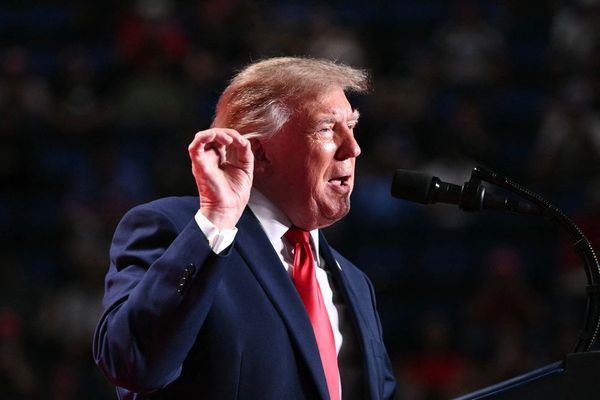
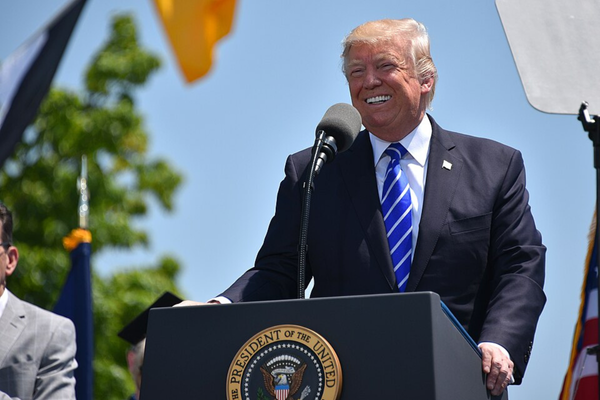
Prior to his election as US president, she said Trump used to send her newspaper clippings about wind farms in Scotland with words like "mad" scrolled on them. And of Johnson, she said: “Everything was a joke – everything was a gag: That man should never have been within a million miles of Downing Street.”
She railed against the rise of populism and said Brexit, rather than immigrants, should take the blame for a British economy "creaking at the seams". She also took a further swipe at Prime Minister Keir Starmer, saying that he should "grow a backbone" and stand up for liberal democracy and progressive politics, rather than trying to placate Nigel Farage.
Sturgeon remains confident on the prospects for an independent Scotland “within 20 years to give my prediction some wriggle room, but probably sooner”. Lauding Irish independence, she noted that even in the darkest economic times few people in Ireland would have countenanced renouncing sovereignty.
O’Hagan, who has described Sturgeon’s memoir as a "triumph", told the audience that “nine out of ten people would have cancelled in the circumstances but this person didn’t cancel".