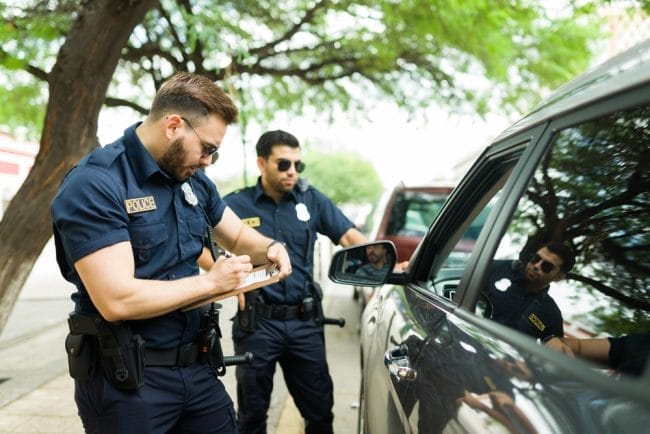
We all think we know our rights. You know “innocent until proven guilty.” You know you have the right to remain silent. These rules apply in a criminal court, but the script flips when you slide behind the wheel. The law defines driving as a privilege rather than a right. That privilege includes a binding legal agreement you signed the day you received your license.
Attorneys call this “Implied Consent.” Most drivers misunderstand this concept. They often learn the hard way while standing on the roadside during a traffic stop. A simple misunderstanding here triggers automatic consequences. You could lose your license even if you are completely sober. You need to understand the legal reality before you start your engine.
The Fine Print You Missed
You agreed to specific terms when you signed your driver’s license application. You legally consented to chemical testing just by driving on state roads. This applies if an officer has probable cause to believe you are impaired.
You gave your permission years ago. Imagine an officer pulls you over and arrests you for DUI. You cannot legally say “no” to the chemical test at the station without facing administrative penalties. You do not get to decide in the heat of the moment. You made that choice the day you accepted your plastic ID card.
Refusal Triggers Immediate Consequences
Here lies the trap for the uninformed driver. You might think refusing the test protects you. You might not trust the machine. In most states, refusing the post-arrest chemical test triggers an automatic license suspension. This suspension often lasts 6 to 12 months. It happens regardless of your actual intoxication level.
The DMV enforces this penalty separately from the criminal court system. Prosecutors often call this an “administrative license suspension.” You might go to court later and prove your sobriety. A jury might find you “not guilty” of the DUI charge. However, the DMV will keep your license suspended because you violated the Implied Consent law. You win the legal battle but still lose your ability to drive to work.
Field Sobriety vs. The Official Test
Confusion between different types of tests ruins many drivers. You must distinguish between the roadside “preliminary” tests and the official “evidentiary” test. Field sobriety tests often include walking a straight line or standing on one leg. Officers also use handheld portable breath tests (PBT) on the roadside to establish probable cause.
These roadside tests are generally voluntary. You can typically refuse them without facing an immediate license suspension. However, the rules change once the officer arrests you. They will take you to the station or a hospital for an official breath or blood test. Implied Consent laws govern this specific test. Refuse this one, and the penalties kick in immediately. Furthermore, prosecutors can often tell a jury that your refusal proves “consciousness of guilt.”
Protect Your Driving Privileges
The legal system relies on complex procedures. Roadside confusion leads to expensive outcomes. The best strategy is to never drive impaired. However, sober drivers must also understand the stakes.
View your license as a conditional contract. If you break the contract by refusing the official test, the state revokes the privilege. Do not let a gap in your knowledge leave you stranded without a vehicle. Drive safely and remember what you signed.
Did You Know This? Were you aware that the DMV can suspend your license just for refusing a test, even if a court finds you innocent? Let me know your thoughts on Implied Consent laws in the comments.
What to Read Next…
- Miami Beach Police Warn About Imposters Posing as Rideshare Drivers to Rob Bar-Goers
- 12 Parenting Laws in Other Countries That Would Simply Baffle Americans
- 7 Boundaries to Set With Toxic In-Laws Before the Holidays Begin
- 7 Legal Documents Every Senior Needs to Update in 2026
- Freezing Rescue: NJ Officer Jumps Into Icy Lake to Save Trapped Dog
The post New “Implied Consent” Traffic Laws You Need to Know Before Driving appeared first on Budget and the Bees.