The construction of a new port in Gaza, along with a U.S. military-built pier offshore, is in progress. However, concerns over security and the logistics of delivering humanitarian aid to Palestinian civilians are still prevalent.
The Israeli-developed port has faced mortar attacks, prompting fears for the safety of aid workers. Negotiations are ongoing regarding security agreements and aid delivery protocols, particularly concerning Israeli forces' role in ensuring the safety of humanitarian operations.
The U.S. plans to commence aid deliveries through the new port and pier by early May, with an initial capacity of around 90 trucks per day, potentially increasing to 150 trucks daily. Security assessments will dictate the final implementation of the aid delivery system.
The recent deaths of aid workers in Gaza have intensified calls for easing aid delivery obstacles on land routes. The new sea route involves transferring aid from Cyprus to a floating platform, then onto trucks via a causeway anchored by the Israeli military.
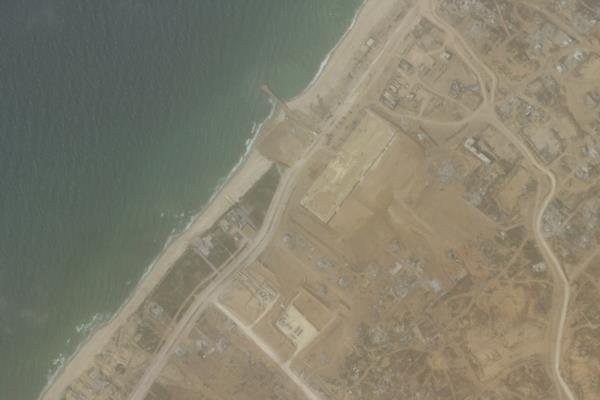
The port's construction progress is visible in satellite images, with the U.S. Navy and Army involved in building the offshore pier. However, threats from groups like Hamas pose ongoing security challenges.
The World Food Program will lead the aid delivery effort, emphasizing the need for a comprehensive approach to ensure sustainable aid delivery amidst security concerns.
While the port project aims to enhance aid delivery, challenges persist in securing the facility and optimizing land-based aid routes. The IDF has committed to providing security and logistical support for the initiative.
Efforts to increase aid supplies to Gaza through land crossings have been hindered by logistical issues, underscoring the importance of the new port. Airdropping aid remains a last-resort option due to limitations in quantity and safety concerns.
As stakeholders navigate security and operational challenges, the focus remains on establishing a secure and efficient aid delivery mechanism to address the urgent humanitarian needs in Gaza.