
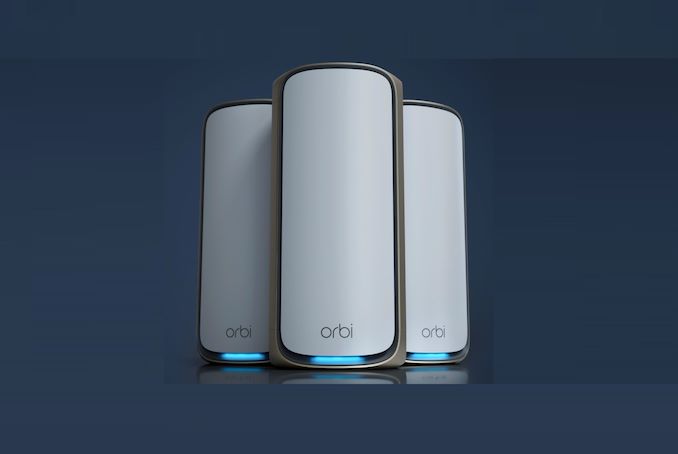
Wi-Fi has seen rapid advancements over the last decade, starting with the introduction of 802.11ac (Wi-Fi 5). 802.11ax (Wi-Fi 6) came with significant improvements in total throughput. The Wi-Fi 6E standard brought 6 GHz operation (where allowed) to consumers. A few years back, Wi-Fi 7 silicon was announced with multi-gigabit throughput and significant latency improvements. On the device side, consumers grappling with range issues typically used to augment their networks with extenders, while prosumers opted for multiple access points backed by a single router. In recent years, we have seen the rise of a new category of products - Wi-Fi systems / mesh networking kits. These bundles consisting of a router with one or more satellites attempted to make the setting up of a network extender-based configuration more user friendly and provide them with a seamless and unified product experience.
The category has seen significant investment from traditional vendors like Netgear, TP-Link, etc., big vendors like Google (Google Wi-Fi and Nest Wi-Fi), as well as startups like eero (now, part of Amazon) and Plume. Netgear had jumped on the mesh-networking bandwagon quite early, and has enjoyed significant market success with their Orbi series of products. Unlike some of the other mesh networking vendors, Netgear uses a dedicated backhaul and also provides optional support for wired backhauls. While this provided tangible benefits over shared wireless backhauls, the costs associated with the additional radio has usually put the Orbi kits in the premium category.