The number of government air monitors in the United States fell by nearly half over the past 20 years, and three states have passed laws limiting how pollution data collected by residents can be used in enforcement, according to a Floodlight investigation published September 9 that analyzed EPA data. Floodlight is a nonprofit newsroom that covers climate and pollution.
For families living near refineries, chemical plants or steel mills, monitors are how exposure gets documented. Without measurements, residents who believe pollution is worsening a child's asthma have little evidence to bring to regulators, permit hearings or courts. Ozone and fine particle pollution are well-established asthma triggers, and some industrial chemicals are linked to cancer.
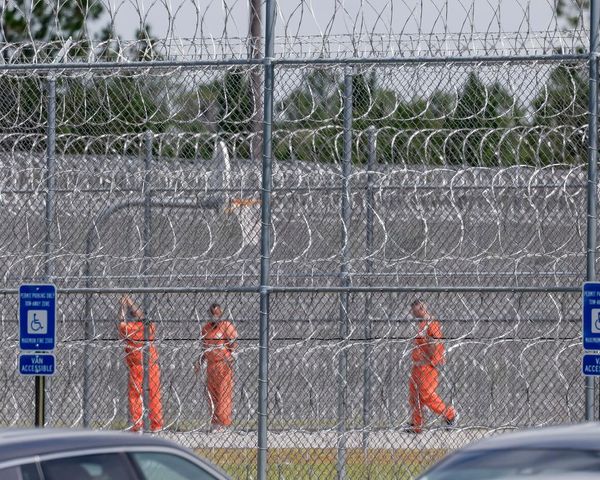
The gap is not limited to industrial corridors. A 2025 study in the Proceedings of the National Academy of Sciences found that nearly six in 10 U.S. counties have no public air monitor at all.
Fewer Monitors Measuring Fewer Toxic Chemicals
Adjusted for inflation, federal grants that support the monitoring network have fallen more than 35 percent over two decades, Floodlight reported. The Trump administration tried unsuccessfully last year to eliminate them and is trying again this year. The decline has been steepest among monitors that track toxic chemicals: networks measuring vinyl chloride, chloroprene and benzene each shrank by more than half from 2004 to 2025.
Floodlight compared what the largest industrial polluters in Kentucky, Louisiana, Ohio and West Virginia reported releasing with what public monitors in those states can detect. For 71 of the 100 facilities examined, the chemical each releases most is not measured by any government monitor in its state. West Virginia runs 14 monitoring sites in 12 counties, leaving its other 43 counties without a state station, and fewer than a quarter of Kentucky's counties have a monitoring station.
Aging equipment compounds the problem. A 2020 Government Accountability Office report described monitoring stations plagued by leaks, termites, and ants, and officials shopping online for discontinued parts. Nelson Roque, a Penn State assistant professor who co-authored the county-level study, told Floodlight: "Last I checked, we all breathe air."
Laws Limiting Community Air Data
As public monitoring has thinned, residents have turned to low-cost sensors. In 2024, Louisiana became the first state to restrict how that data can be used, passing a law that bars regulators from relying on air pollution data for enforcement unless it comes from EPA-approved equipment, which typically costs tens of thousands of dollars. Kentucky followed in March 2025 with House Bill 137, and Ohio added a similar provision to its budget, which environmental groups are challenging in court. Similar bills in West Virginia have failed.
Industry groups say the laws protect accuracy. The Louisiana Chemistry Association has said its law ensures enforcement data meet minimum EPA standards and does not stop residents from monitoring for their own information. A Chemours spokesperson told Floodlight the company objects to community data being used for enforcement without verification by trained technicians. A lawyer for the Ohio Chamber of Commerce compared uncalibrated monitors to an uncalibrated speed gun.
Low-cost sensors do vary in accuracy, which is a fair concern. The trade-off is that many places have no regulatory monitor nearby, leaving residents with either imperfect data or none. Floodlight also noted that after Louisville expanded monitoring around its Rubbertown industrial area, regulators later reported that toxic air contaminants in the metro area had fallen by almost 80 percent.
Fenceline Families and Children with Asthma
The people most affected are those who live closest to large industrial sources, along with children, older adults and people with asthma, COPD or heart disease. Black and low-income residents bear a disproportionate share of elevated cancer risk from air toxics, according to an EPA analysis prepared for its rule on chemical manufacturing emissions.
In Louisiana's industrial corridor between Baton Rouge and New Orleans, Floodlight found that the public monitor closest to one resident's home tests only for lead. In Middletown, Ohio, a plaintiff in the Ohio lawsuit said particles from a nearby steel plant regularly settle on her house and yard.
The evidence has limits worth stating. Floodlight documented monitoring gaps and legal changes; it did not measure health outcomes near specific facilities, and a missing monitor does not prove residents are being harmed. What it shows is that, in many communities, no one is collecting the data needed to answer that question. Monitoring can drive change: after the EPA required refineries to monitor benzene at their fencelines in 2018, the number exceeding the agency's action level fell by half within five years, according to the Environmental Integrity Project.
Checking the Air Where You Live
Residents can start with public data. The EPA's AirNow website publishes daily air quality forecasts and readings from nearby monitors, which can guide decisions on high-ozone or smoky days. Knowing whether a nearby monitor measures ozone, fine particles or specific chemicals helps set realistic expectations.
Families managing asthma can keep an updated action plan, carry rescue medication and limit strenuous outdoor activity on poor air days. Personal low-cost sensors remain useful for household decisions in every state, even where their readings cannot be used for enforcement. Unusual odors, smoke or flaring can be reported to the state environmental agency, which creates a record.
Seek medical care promptly for wheezing that does not improve with rescue medication, shortness of breath at rest or chest tightness. Children with asthma who need their rescue inhaler more often than usual should be evaluated by a clinician.
What happens next will unfold in courts and budgets. Ohio's lawsuit is pending, and Congress will decide the fate of federal monitoring grants. Some states are moving the other way: California budgeted $1.4 billion from 2017 to 2025 to help communities overburdened by air pollution, and Texas and its contractors operate 33 automated instruments that sample air every hour for volatile organic compounds.
Key Questions Answered
How much has the air monitoring network shrunk?
The number of government air monitors fell by nearly half over 20 years, according to EPA data analyzed by Floodlight. Networks for vinyl chloride, chloroprene, and benzene each shrank by more than half from 2004 to 2025.
How many counties have no air monitor?
A 2025 study in the Proceedings of the National Academy of Sciences found that nearly six in 10 U.S. counties have no public air monitor.
Which states restrict community air monitoring data?
Louisiana, Kentucky, and Ohio have laws limiting the use of community-collected data in enforcement. Similar bills in West Virginia have not passed.
Can I still use a personal air sensor?
Yes. The laws address enforcement and regulatory use. Personal sensors remain useful for household decisions such as limiting outdoor activity.
Who is most at risk from unmonitored pollution?
People living near large industrial sources, children, older adults, and people with asthma, COPD or heart disease face the greatest risk. The EPA has found that Black and low-income residents bear a disproportionate share of air toxics cancer risk.
Does a missing monitor mean my air is unsafe?
Not necessarily. It means no one is measuring certain pollutants near you, so exposure cannot be confirmed or ruled out with public data.
When should someone with asthma seek care?
Get prompt care for wheezing that does not improve with rescue medication, shortness of breath at rest or chest tightness.