Get all your news in one place.
100's of premium titles.
One app.
Start reading
International Business Times UK
Mathew Erpansizo

Nearly 200,000 Immigrant Children Reportedly Receive Official Removal Orders During Trump Administration Push

Immigrant children have reportedly received removal orders as legal challenges mount over the Trump administration's immigration policies (Credit: Photo by Piron Guillaume on Unsplash)

Nearly 200,000 immigrant children in the United States have reportedly received official removal orders since Donald Trump returned to the White House in January 2025, according to Mobile Pathways' analysis of Department of Justice data.

The administration intensified efforts to remove undocumented children, with Stephen Miller reportedly coordinating work across federal agencies. Miller is the architect of Trump's anti-immigration agenda.
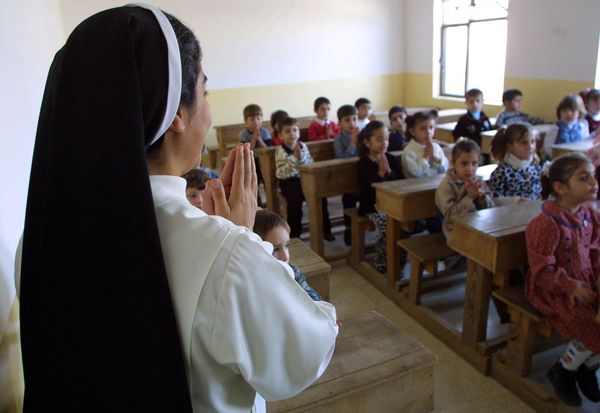
Lawyers and rights groups are challenging aspects of the push, while the White House says it aims to protect children.

What Removal Orders Mean for Immigrant Children

Mobile Pathways, an immigration technology and advocacy organisation, found that about 70 per cent of the children were younger than 13.

Its figure counts removal orders, rather than confirmed deportations. What happened to each child remains a separate question.

Monthly orders rose from 7,366 in January 2025 to 16,200 in June 2026 and 16,750 in July, the analysis found, before easing to 14,744 in August.

An order alone does not establish whether a child has left the United States. It does give families and their lawyers a formal decision to contest, sometimes amid unresolved questions about care and sponsorship.

Immigrant Children Caught Between Federal Agencies

Miller is coordinating efforts involving the Department of Homeland Security, the Department of Health and Human Services and the Department of Justice to speed removals, according to The Independent.

Agencies have also increased cooperation between child welfare teams and immigration enforcement, including the exchange of information involving children in federal care.

The reported changes involve asylum interviews, sponsor appointments and access to confidential records. Immigration attorneys and rights groups argue that these measures could pressure families to abandon claims. They fear information collected for child welfare could be used for immigration enforcement.

The White House disputes that characterisation. It says the measures aim to find children placed with unsafe sponsors, reunite families, prevent trafficking and enforce immigration laws. Those aims now face contestation in individual cases.

More than 1,800 children remain in federal custody, reported The Guardian. It also reported that federal officials had defunded legal services covering more than 20,000 unaccompanied children. The health department considered using military lawyers to help represent children but dropped the plan.

Immigrant Children and the Wider Deportation Push

The court challenges extend to due process, legal representation and the use of confidential information.

A separate dispute concerns the administration's arrangements to deport migrants to countries other than their own, a policy Miller has helped direct. The figures for these arrangements refer to migrants generally, not specifically to children.

A joint investigation counted at least 25,447 migrants sent through those arrangements. Agreements with more than 30 countries, mostly in Africa and Latin America, underpin the policy. Human Rights First tracked flights to Belize, Dominica, Ghana, Panama, Paraguay and Sierra Leone.

The administration says third-country removals generally involve people whose home countries will not accept them or who have removal orders.

White House spokeswoman Lauren Bis said those seeking to return home could receive a free flight. Lawyers warn that deportees might later face persecution or violence elsewhere.

A federal appeals court recently ruled the third-country removal policy unlawful. Cases involving children continue to raise questions about who may see their records, whether they can obtain legal help and what happens after an order is issued.

Sign up to read this article
Read news from 100's of titles, curated specifically for you.
Already a member? Sign in here
Related Stories
Top stories on inkl right now
One subscription that gives you access to news from hundreds of sites
Already a member? Sign in here
Our Picks
Fourteen days free
Download the app
One app. One membership.
100+ trusted global sources.