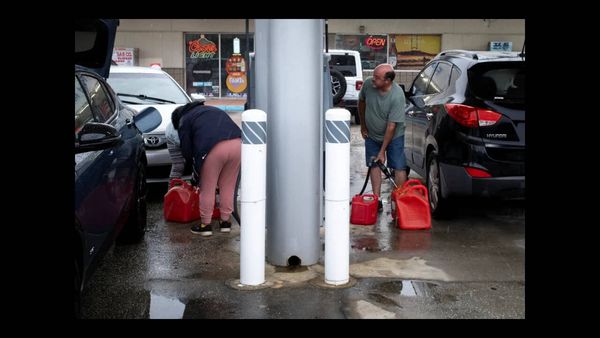
Cuba's national electrical grid collapsed Monday, leaving the island without power as authorities worked to restore electricity through emergency microgrids serving essential services.
The outage comes amid a worsening energy crisis driven by aging infrastructure and severe fuel shortages, with Cuban officials blaming tightened U.S. sanctions that have sharply reduced oil imports.
Cuba's Energy Ministry confirmed the nationwide blackout, while the national grid operator said it was investigating the cause. Energy Minister Vicente de la O Levy said emergency "microsystems" had been activated to maintain electricity for critical infrastructure as restoration efforts continued.
🔴 #AHORA || Ocurre una desconexión total del Sistema Electroenergético Nacional. Se investigan las causas.
— Unión Eléctrica de Cuba (@OSDE_UNE) July 6, 2026
Se continuará informando al respecto. pic.twitter.com/F7ksTBTakO
The island has experienced several nationwide blackouts over the past year, but the crisis has intensified since the Trump administration increased economic pressure on Havana. Cuban officials say U.S. measures targeting fuel suppliers have drastically reduced oil shipments, worsening electricity shortages.
President Miguel Díaz-Canel accused Washington on Monday of attempting to provoke "a social explosion through asphyxiation," as CNN reports.
The United States says its sanctions are intended to pressure Cuba's government to implement political and economic reforms. While food and medicine are exempt from the embargo, Washington argues restrictions do not prevent humanitarian assistance delivered through appropriate channels and has pledged $100 million in aid outside government structures.
The United Nations has warned that the tightening sanctions are worsening humanitarian conditions. Last month, U.N. High Commissioner for Human Rights Volker Türk said the measures were "directly harming Cubans, especially the most vulnerable," citing shortages of medicines, disruptions to healthcare and deteriorating public health indicators.
The State Department rejected the criticism, saying humanitarian assistance remains permitted under U.S. sanctions.
Cuban Foreign Minister Bruno Rodríguez traveled to New York this week to address the U.N. General Assembly, where he said he would denounce what he described as a U.S. "energy blockade" and defend Cuba's "sovereign right to live without an energy stranglehold."
The blackout comes as diplomatic contacts between Washington and Havana continue despite rising tensions. In an interview published this week by USA Today, Raúl Guillermo Rodríguez Castro, a grandson of former leader Raúl Castro and an informal intermediary with Washington, said he would be willing to negotiate directly with President Donald Trump if given the opportunity, although he acknowledged previous talks had produced no tangible results.