Get all your news in one place.
100's of premium titles.
One app.
Start reading
The Conversation
The Conversation
Daniel Apai, Associate Dean for Research and Professor of Astronomy and Planetary Sciences, University of Arizona

NASA’s Pandora telescope will study stars in detail to learn about the exoplanets orbiting them

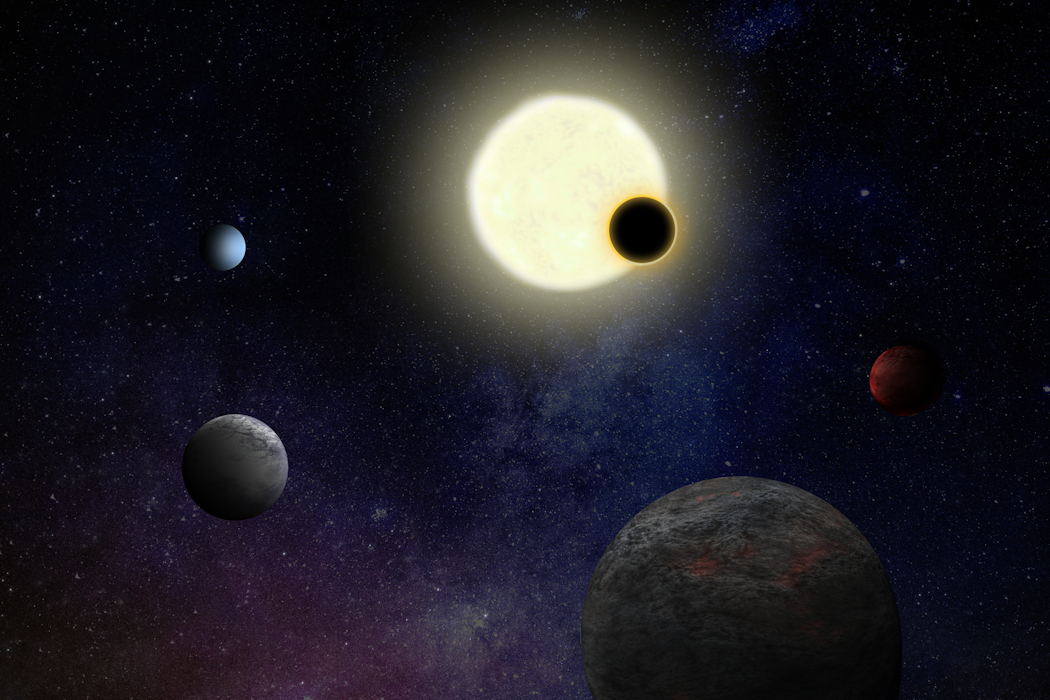
A new NASA mission will study exoplanets around distant stars. European Space Agency, CC BY-SA

On Jan. 11, 2026, I watched anxiously at the tightly controlled Vandenberg Space Force Base in California as an awe-inspiring SpaceX Falcon 9 rocket carried NASA’s new exoplanet telescope, Pandora, into orbit.

Exoplanets are worlds that orbit other stars. They are very difficult to observe because – seen from Earth – they appear as extremely faint dots right next to their host stars, which are millions to billions of times brighter and drown out the light reflected by the planets. The Pandora telescope will join and complement NASA’s James Webb Space Telescope in studying these faraway planets and the stars they orbit.

Sign up to read this article
Read news from 100's of titles, curated specifically for you.
Already a member? Sign in here
Related Stories
Top stories on inkl right now
Our Picks
Fourteen days free
Download the app
One app. One membership.
100+ trusted global sources.