
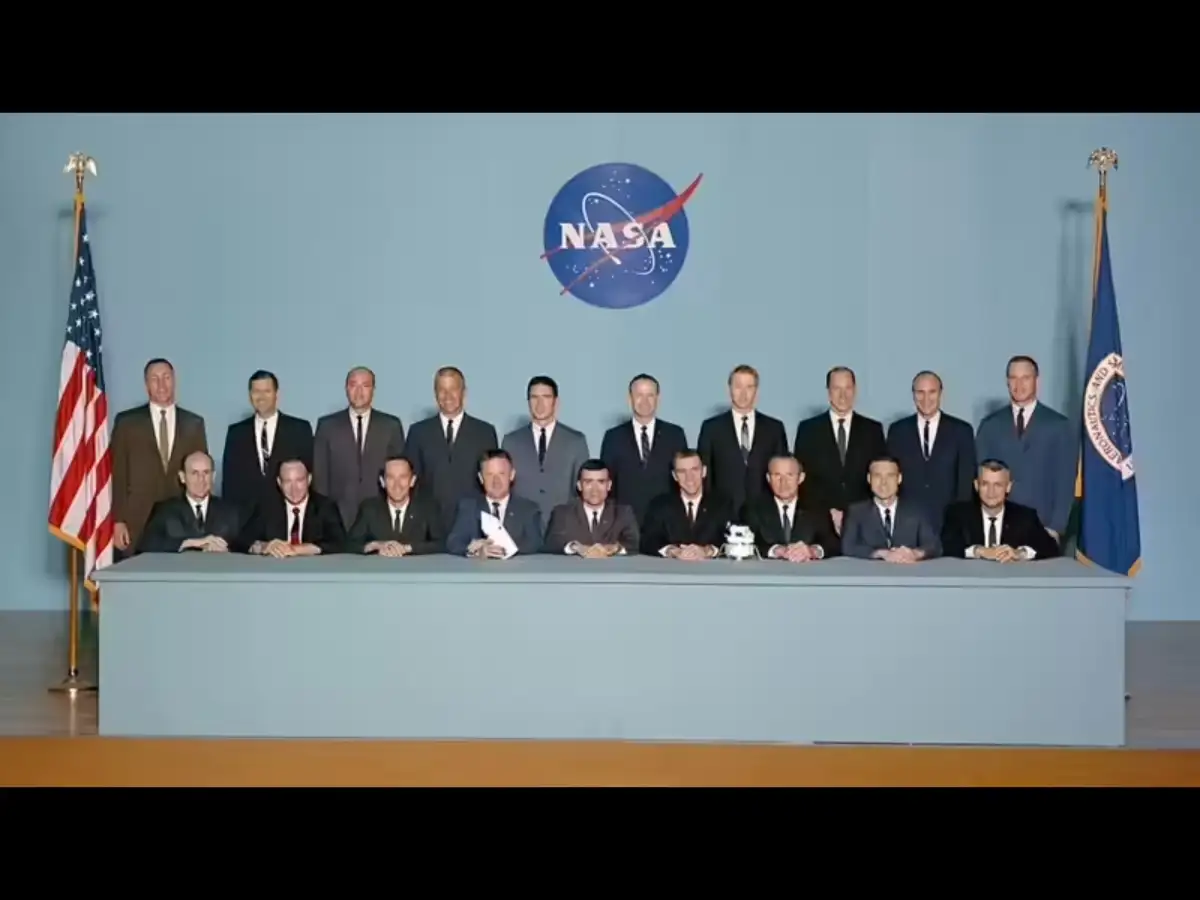
When people think about NASA astronauts, exceptional intelligence is often assumed to be the defining qualification. However, one of the US space agency's historic astronaut selection processes tells a different story. During NASA's Astronaut Group 5 recruitment in 1966, IQ reportedly accounted for just one point in a 30-point evaluation system, while engineering expertise, operational experience, judgement, motivation and character carried significantly greater weight.
According to a TOI report, the approach reflected NASA's long-standing belief that raw intelligence alone would not determine success in space. Instead, the agency prioritised candidates who could remain calm under pressure, solve real-world problems and work effectively as part of a team when missions did not go according to plan.